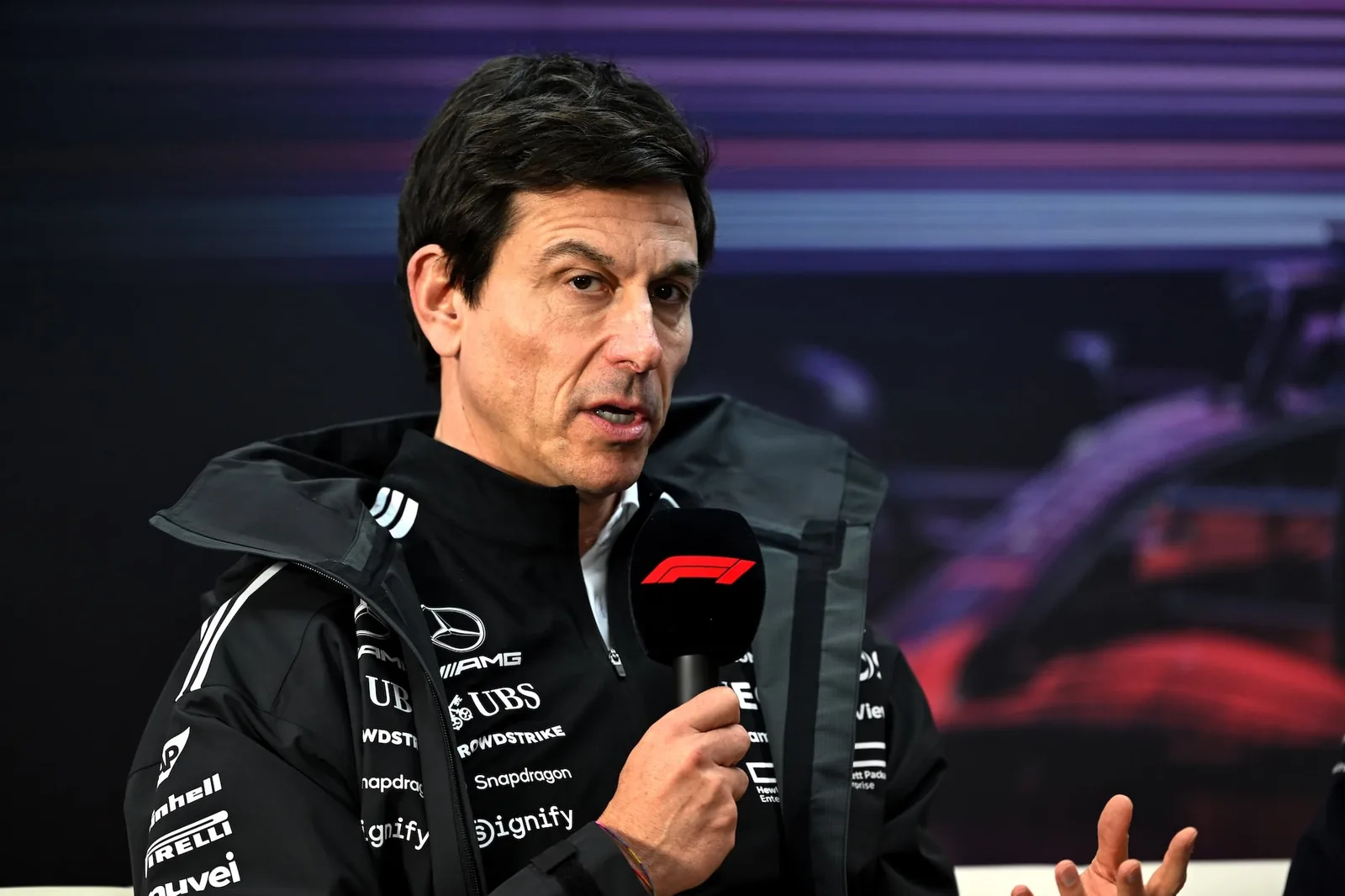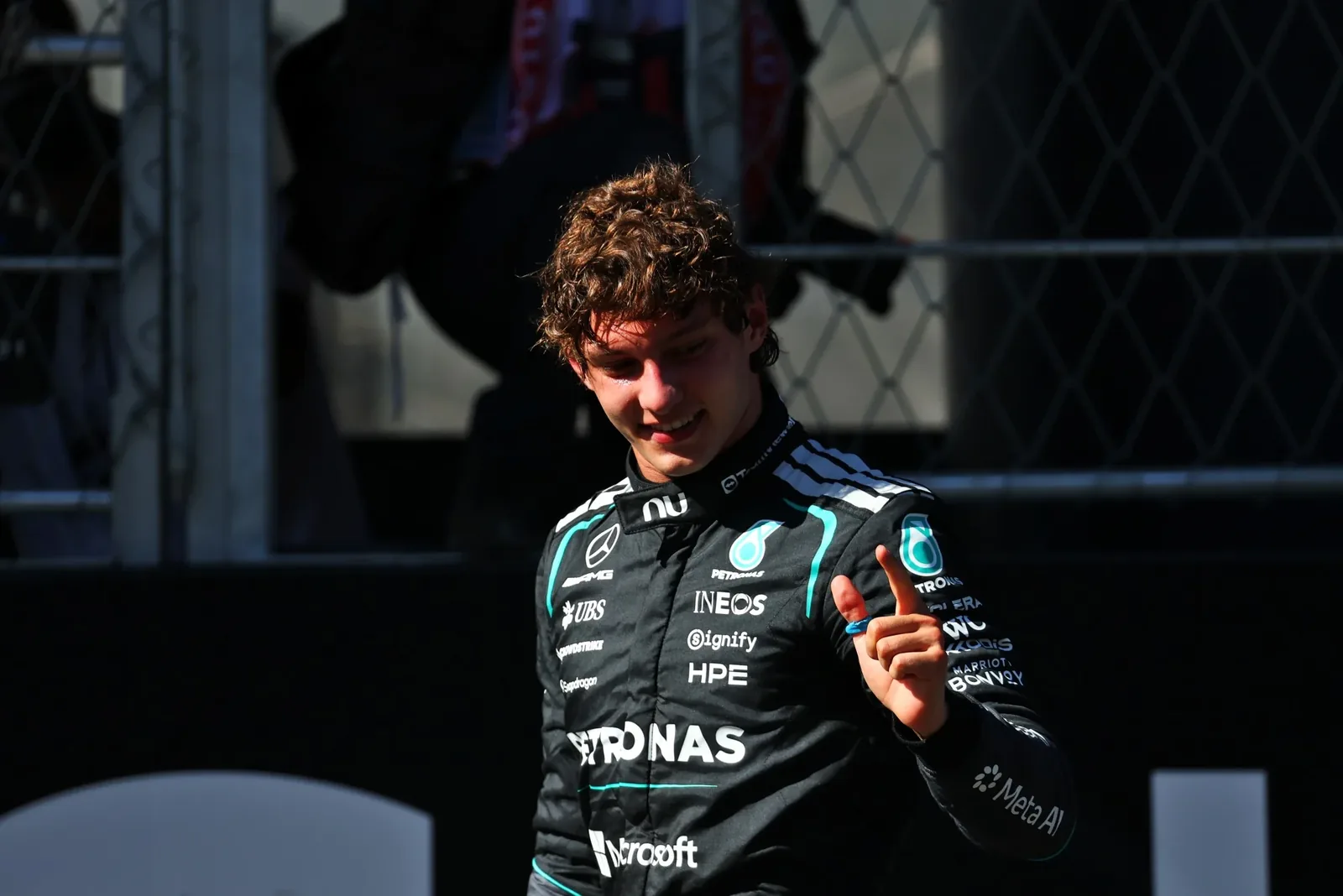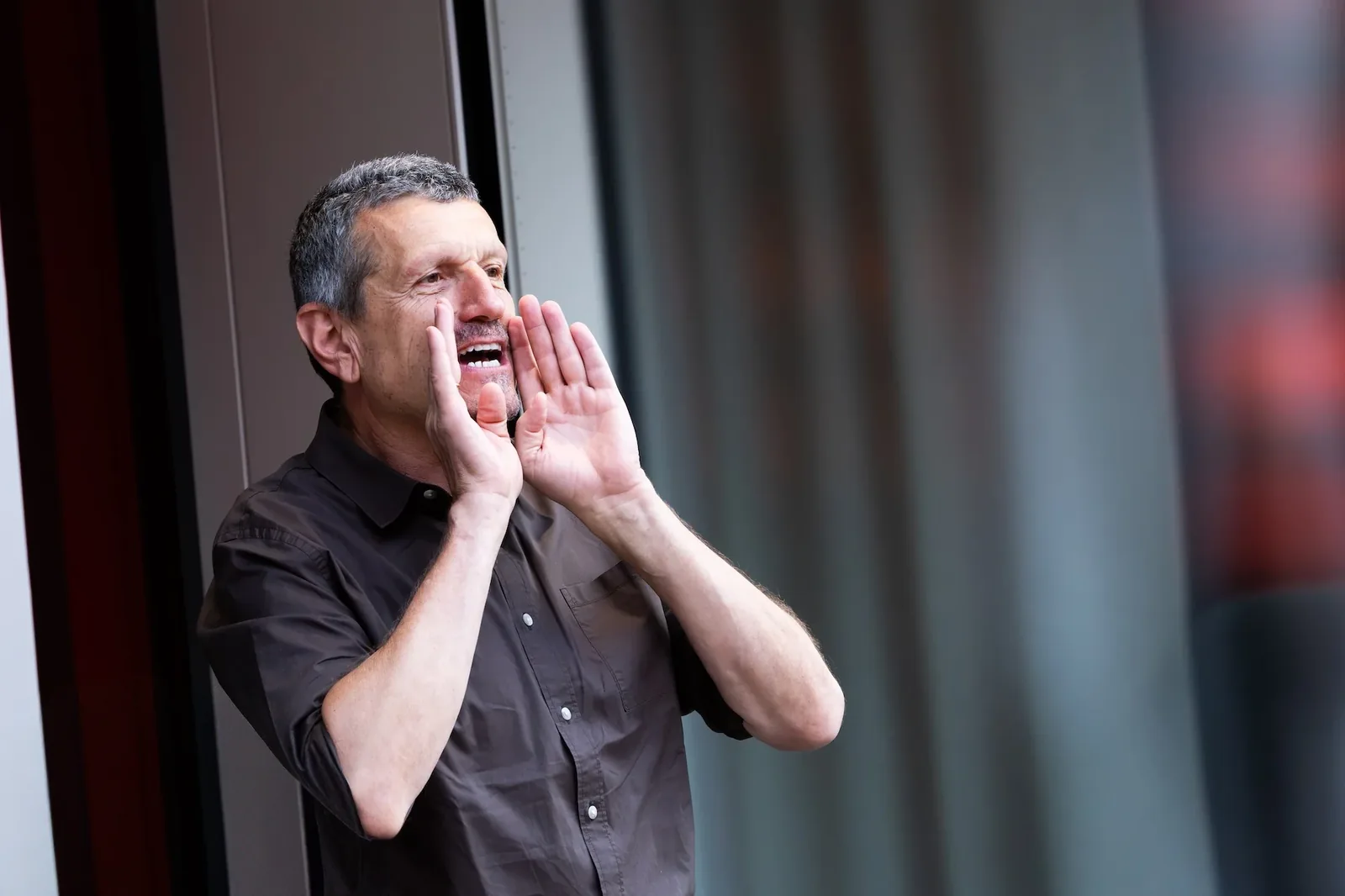


Guenther Steiner defended changes in the race direction of Formula 1 after the controversial outcome of the British GP. The former Haas boss believes that the FIA should have permanent stewards and expand the use of artificial intelligence to avoid similar situations in the future.
Read more F1: Where to watch and the schedule for the 2026 Belgian GP
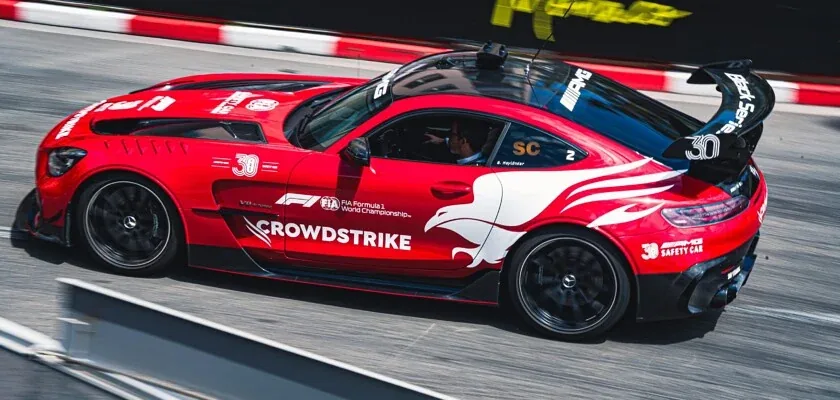
The race at Silverstone ended behind the safety car after Max Verstappen retired, stuck in the gravel on lap 48. The broadcast even indicated that the safety car would enter the pits, creating expectations for a final lap under green flag. However, the FIA later confirmed that the message was displayed by mistake and that there was not enough time to complete the procedure of letting lapped cars unlap before the restart.

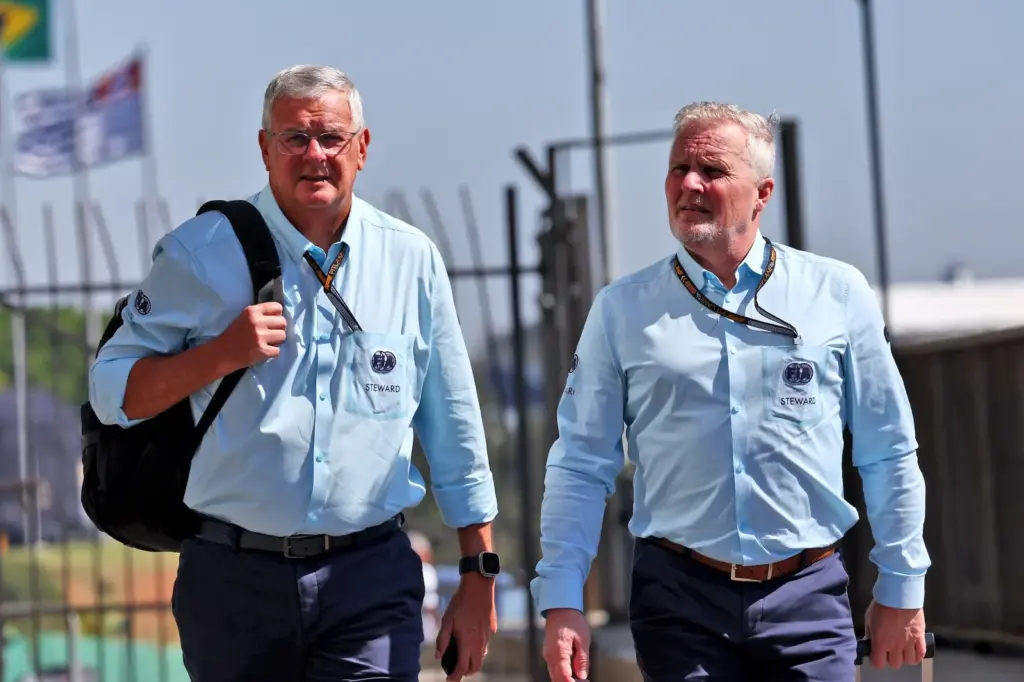
Speaking on The Red Flags podcast, Steiner said the problem was not with the stewards, but defended a permanent structure to assist the race director. “We need to start a campaign for full-time stewards who work on a plan. I’m not blaming the stewards, because they have nothing to do with it, it’s the race director’s responsibility. But if he had permanent stewards, they would help find solutions to avoid going through something like we saw again at Silverstone,” he said.
Read more F1: Alpine issues warning about Racing Bulls threat in the championship
Steiner also questioned the explanation about the message displayed on the broadcast and suggested that the FIA use artificial intelligence to handle the numerous possible scenarios at the end of a race. “The biggest problem in Formula 1 in the last 50 years happened five years ago and they still haven’t found a definitive solution. If there were people working on this full-time, creating a program or using artificial intelligence, it would be possible to find answers much faster,” he said.
For the former executive, the essential thing is that all scenarios are anticipated before the races, without the need for improvised decisions during the event. “The rules need to be defined before the race, not during. It is necessary to simulate a million situations. A human being cannot do this alone,” he concluded.
Read more F1: Is Spa-Francorchamps still the biggest challenge in Formula 1?