








If the 2026 Formula 1 Japanese GP were defined by just one word, it would be “drama”. Actually, “dorama”. This term, contrary to what many believe, does not only refer to the famous South Korean soap operas full of romance. It originates from the Japanese pronunciation of “drama” and refers to short-duration Asian productions of different genres. And the edition of the race at the Suzuka Circuit brought a dorama script with all the nuances.
Read more F1: Verstappen admits lack of motivation with the category’s new era
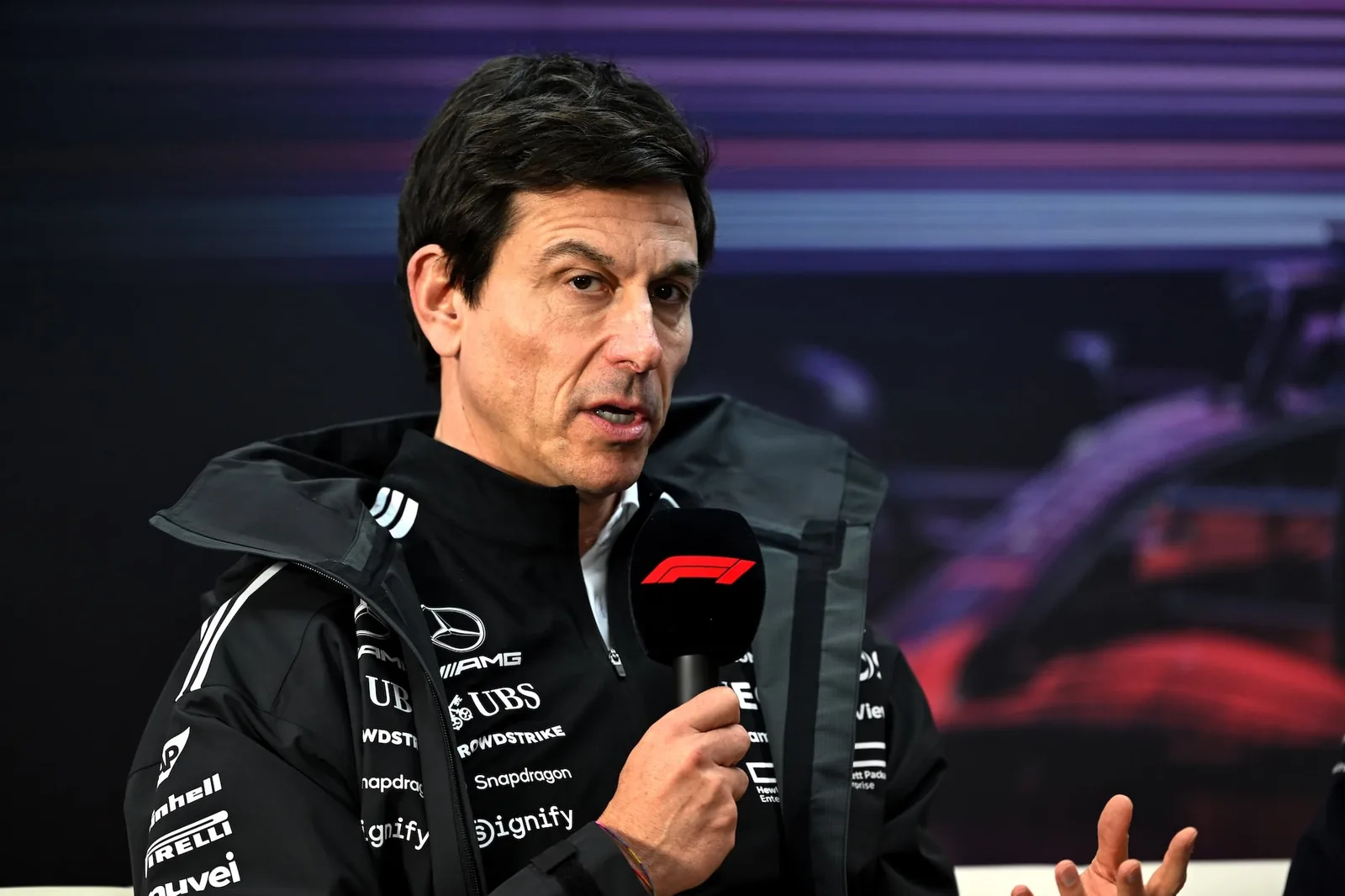
Even before the start of the stage, suspense was already in the air. The agenda was the adjustment made by the FIA (International Automobile Federation) to the qualifying rules for the race. The proposal was to reduce the maximum energy allowed per lap, from 9.0 MJ to 8.0 MJ. The change was a response to the drivers: Charles Leclerc, from Ferrari, complained about the qualifying dynamics days before, stating that the maximum use of energy harmed the drivers’ real performance. George Russell, the championship leader until then, also showed favor for the change. In practice, the change did little to alter the grid and neither did it change the balance between the teams.
But the suspense didn’t stop there. One of the most successful recent Japanese doramas is “Alice in Borderland”. In the first season, some people are taken to an alternative world where they need to participate in games to survive. However, they don’t know what these games will be and what their rules are. To have access to the information, they must agree to participate.
And the race in Suzuka was like this: under the new regulations, many drivers raised questions about the car’s behavior on a track known for its high speed and complexity in certain sections. The support category race reinforced the concern: a slip, a mistake — and a car went through the protection barriers, passing over the public area. No injuries, but scary.
And off the drivers went to the game arena. McLaren did well at the start, Mercedes left something to be desired, Ferrari also brought excitement to the first laps… we are in episodes 4 and 5, where everything slows down before the final stretch. Until then, the script seemed controlled.
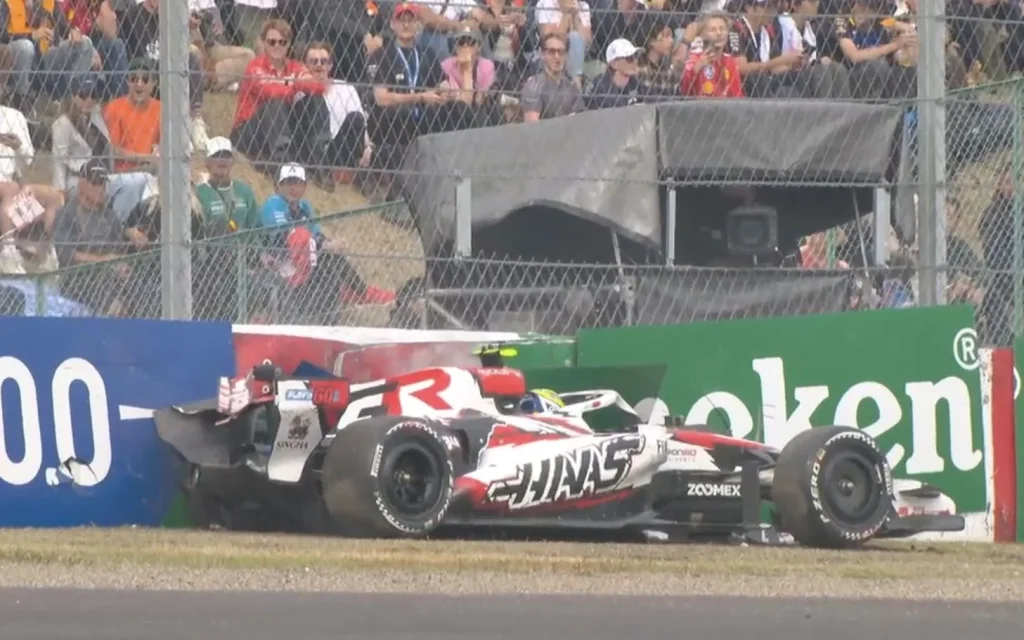
But then comes episode 6. A different movement, a car sliding off the track, a heavy crash. Oliver Bearman didn’t expect to be the turning point of the race and of a discussion that should drag on throughout April. In these moments, people remember that motorsport is a high-risk sport, just like the games in Alice in Borderland.
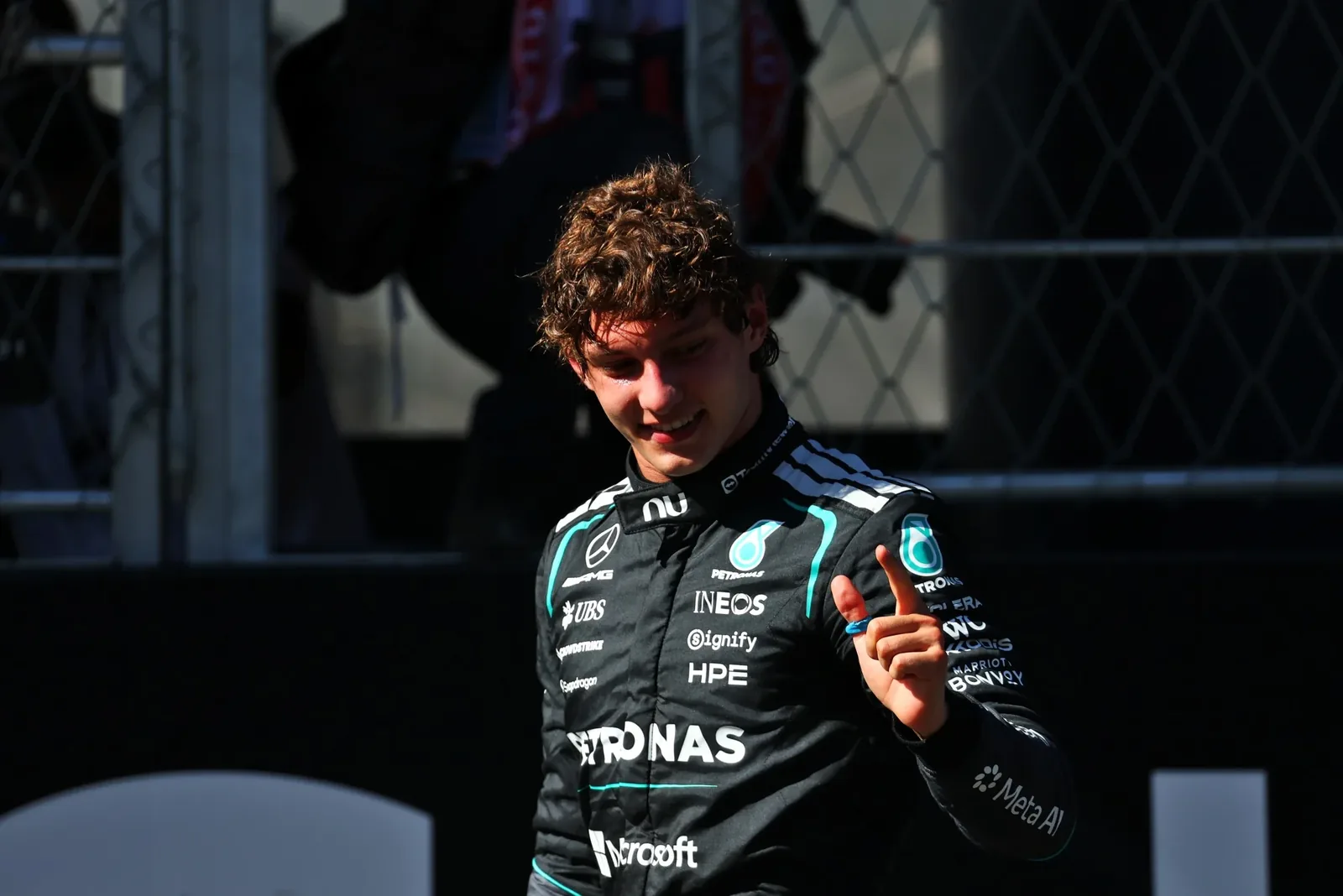
By this point, several analyses and criticisms of the new regulations and everything that needs to be reviewed have already come out. Meetings have been scheduled, conversations are being held and will continue to be. Therefore, this analysis abandons this dorama. Episode 7 brought another victory for Kimi Antonelli and episode 8, which should bring the conclusion of the Japanese GP, will be released throughout the month, with a series of explanations and perhaps some action from F1. No spoilers, the mentioned dorama ends its first season exactly like this: players shaken by one dynamic and having to prepare for another, without properly understanding what can be done to get out of that situation.
But while the Japanese GP produced its own suspense, one driver was living the third episode of the worst kind of dorama that can exist: the forgotten one. The one you start watching and the first episode is interesting, the second is good, the third is confusing and dull… and from then on you give up watching. And that driver is the current world champion, Lando Norris.
The first point to be clarified here is: why Norris and not Max Verstappen? And the answer is simple: Verstappen is more like a saturated dorama, but not exactly without entertainment quality. The Dutchman is not doing well on the tracks with the current Red Bull car, but he delivers unusual situations like the controversial expulsion of a journalist from a press conference and the current drama of retirement in 2027, which is almost comical in the way it is being framed by him.
Read more Regadas advances two positions at the Velocitta track and is seventh in the championship
Norris had a great plot for the first episode: doubted by many, he won the title after an intense battle with Verstappen. He seemed happy with the new regulations and the car developed by McLaren, and here we are in episode 2. However, at the Australian GP, our third episode in this analysis… he disappeared. He created confusion for the viewer by not delivering even a relevant media appearance in Melbourne.
Episode 4, in China, even started promisingly: fourth place in the sprint race was a bit encouraging. But soon the broadcast was interrupted. McLaren did not start with both cars in the main race and broke any expectations created. Waiting another two weeks was like putting Norris on ice. The audience doesn’t connect without a routine of exposure to content.
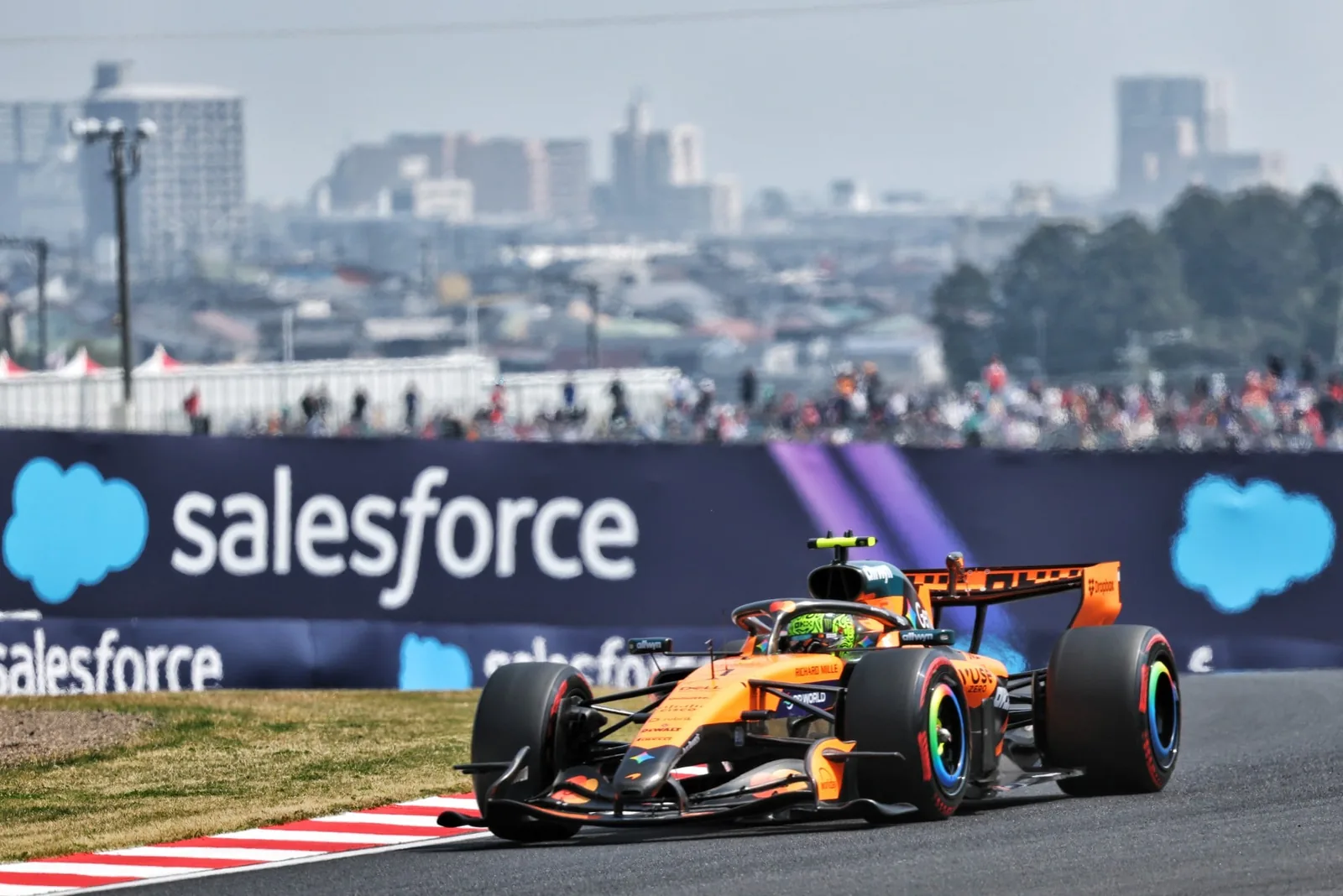
The Japanese GP was even more terrible. Even with a fifth-place finish, Norris was completely ignored. Bearman’s accident would be a great justification for not focusing on the current world champion. The problem is that even if there hadn’t been a crash, Norris would still be in limbo. Voiceless, unimportant and, above all, without results that force his presence in the championship.
And this disappearance is not “spite” from journalists around the world. The results on the track are positioning Norris as a supporting actor: in three races, he has scored only 25 points in the championship. The worst score under these same circumstances was in 2014, with Sebastian Vettel, during the regulation change that brought Mercedes into the spotlight. A reminder: Vettel already had four world titles and was already established as a big name in F1.
If the comparison is with drivers who won only one title, we have three unforgettable examples in this century: Kimi Raikkonen, who immortalized his memory in F1 for his cold manner, despite not having impressive numbers; Jenson Button, who also doesn’t have great records but won the championship with a Brawn; and Nico Rosberg, Lewis Hamilton’s greatest rival, immortalized for choosing to retire at the peak of his career.

Besides Norris, three world champions are on the grid in 2026. All of them, even in the worst moments of their careers, remained in the spotlight. Difficulty also immortalizes and is part of a story that will be remembered years from now by motorsport fans. And Norris seems to have thrown in the towel too soon.
If it depends on Kimi Antonelli, the current world champion could be swept under the rug soon. Unlike traditional doramas, Norris’s will have more episodes. It remains to be seen whether he will become just another dragged-out dorama forgotten by the public or if he will regain strength and end the season as a good memory for those who didn’t give up on following him.
Read more F1 and MotoGP victories can inspire Italy for World Cup spot