

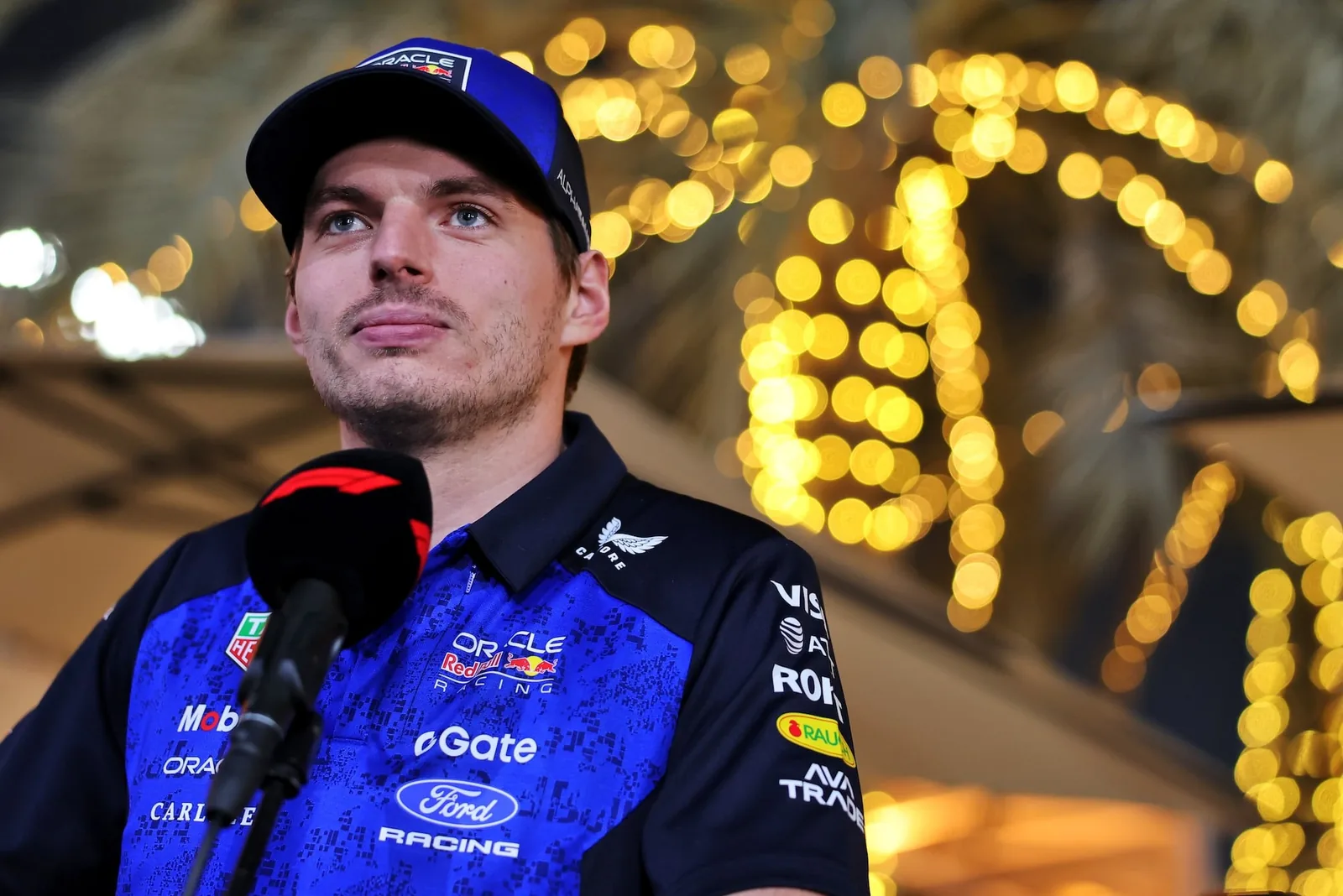
The new era of Formula 1 began surrounded by expectation, but also tension. And few drivers have been as direct at the start of this season as Max Verstappen.
Read more After penalty, Genz takes the win and leads the NASCAR Brasil opener
The four-time world champion spared no criticism of the 2026 regulations, especially the impact of electrification and energy management on racing dynamics. And, if within the paddock his statements caused discomfort, outside of it the scenario seems different.
A recent poll conducted by RacingNews365 among fans showed that there is significant support for the Dutch driver’s position, an indication that the discussion about the direction of Formula 1 is far from a consensus. There, people voted alongside Verstappen and agree with the four-time champion’s criticisms.
The criticism: a “less natural” F1
Since the pre-season, Verstappen has been consistent in his tone. For him, the new Formula 1 distances itself from the traditional concept of racing by prioritizing energy management over driving at the limit. In his words, it is something “anti-racing”.
The Dutchman went as far as defining the new cars as a kind of “Formula E on steroids”, reinforcing the perception that the balance between combustion and electric energy has profoundly changed the way of driving.
The central point of the criticism lies in the sense of artificiality.
Situations such as lifting off in the middle of the straight to regenerate energy, preparing laps thinking more about the battery than the ideal line, and depending on specific power modes to attack opponents are, in Verstappen’s view, elements that strip away the essence of Formula 1.
The internal response: discomfort in the paddock
The statements did not go unnoticed. Important figures in the paddock reacted publicly. Ralf Schumacher suggested that Verstappen should adopt a stance more aligned with the team and with the sport, while Martin Brundle went further by stating that this type of positioning could be harmful to the category’s image.
This movement reveals a sensitive point within Formula 1. The category is experiencing a moment of commercial expansion and needs to sustain the success narrative of the new era. Public criticism, especially coming from one of the main names on the grid, directly conflicts with this discourse.
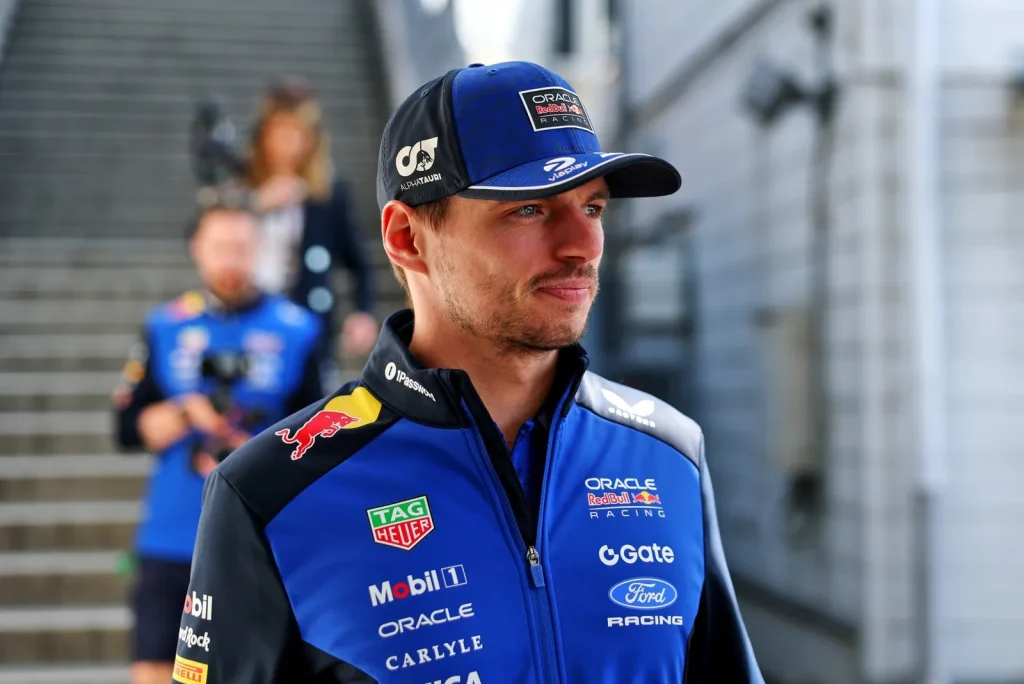
The external response: fan support
If within the paddock Verstappen’s discourse generates resistance, outside of it the reception has been more favorable.
Read more F1: Verstappen and Stroll raise debate about racing in other categories
The support recorded in polls indicates that a relevant portion of the public shares the driver’s concern — mainly regarding the loss of spontaneity in driving.
This opens an important discussion. Formula 1 may be technically more advanced than ever, but the perception of those who consume the product remains a determining factor for the category’s success.
And, at this point, Verstappen seems to vocalize a feeling that is not isolated.
The sporting context also weighs in
The Red Bull driver’s criticisms also happen at a specific moment in the season.
After three rounds, Verstappen appears only in ninth position in the championship, with 12 points, a scenario far from the recent prominence that marked his trajectory in Formula 1.
Although this does not invalidate his observations, it helps to contextualize the more incisive tone adopted at the beginning of this year.
Between evolution and identity
The 2026 Formula 1 represents a profound structural change. More efficient, more technological, and more aligned with the current demands of the automotive industry. But, at the same time, it raises questions about to what extent this evolution can alter the sport’s identity.
Verstappen, with his direct style, puts this debate clearly. And public support shows that this discussion is not just internal; it has already crossed the boundaries of the paddock.
The season is just beginning. But one thing has already become evident: the new Formula 1 will not be debated only on the track.
Read more F1: Controversy with Verstappen and British journalist reaches the FIA