




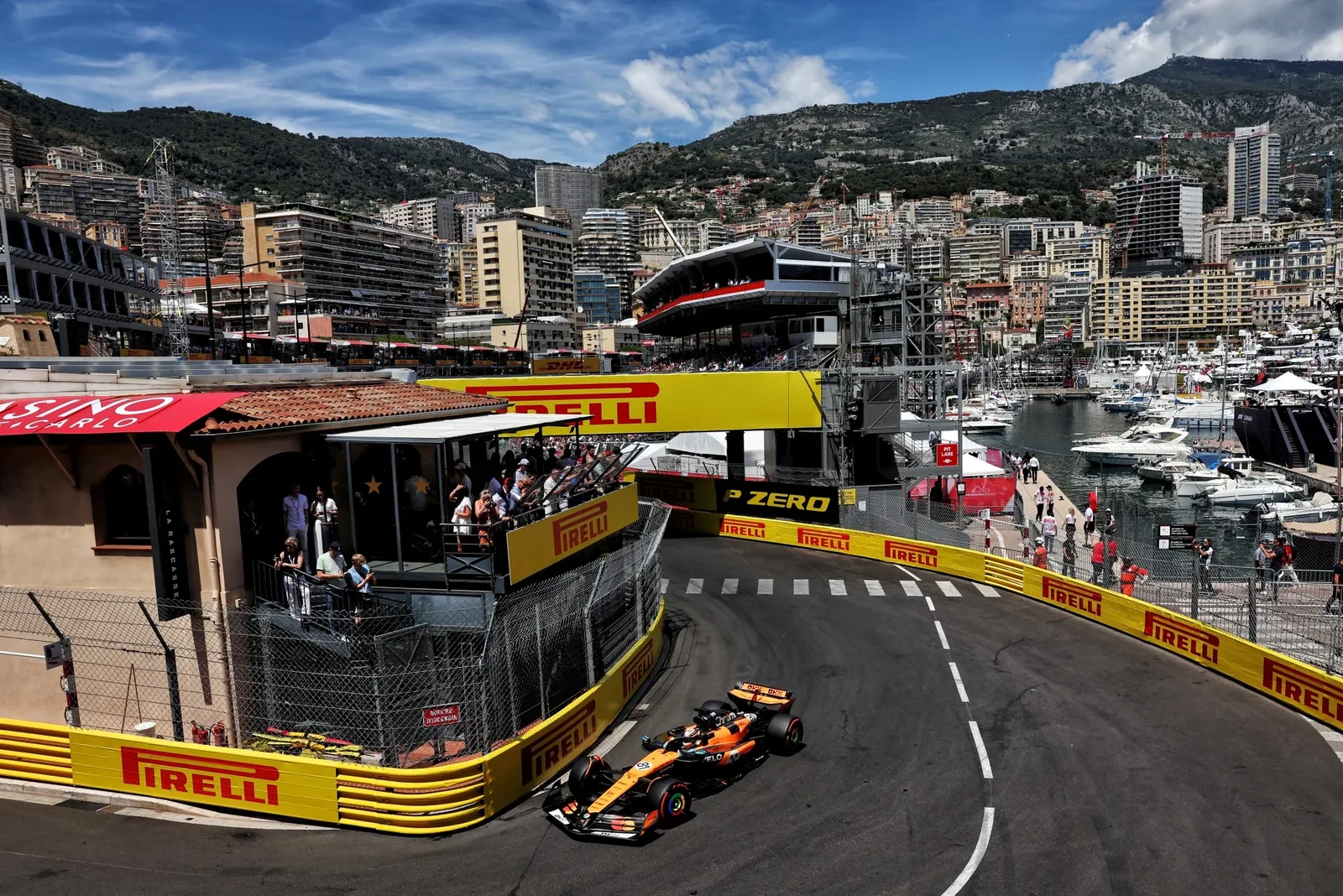
Narrow circuit, soft tires, decisive qualifying, and the debut of the overtaking button in Monte Carlo. Check out the main technical aspects that should mark this weekend’s Monaco GP.
Read more F1: Man accused of raping Schumacher’s nurse is on trial
The Monaco Grand Prix is one of the most traditional races in Formula 1, but also one of the most unique from a technical point of view. While much of the championship rounds are defined by factors such as tire degradation, aerodynamic efficiency, and straight-line speed, the streets of Monte Carlo create a completely different set of challenges.
This weekend, Formula 1 contests the sixth round of the 2026 season on a circuit where qualifying is usually as important as the race itself. With unique characteristics and a series of technical particularities, Monaco demands from teams an approach that will hardly be repeated on any other track on the calendar.
The most different circuit of the season
With only 3.337 kilometers in length and 19 corners, Monte Carlo is the shortest circuit in the championship. At the same time, it is also one of the most complex.
The narrow streets, the absence of run-off areas, and the constant proximity of guard rails mean that drivers have to deal with a higher level of risk than found at permanent race tracks.
In several sections, cars pass just a few centimeters from the barriers. The consequence is clear: any mistake can immediately compromise a session or even end a driver’s weekend.
Therefore, building confidence throughout the free practice sessions plays a fundamental role.
Maximum aerodynamic load
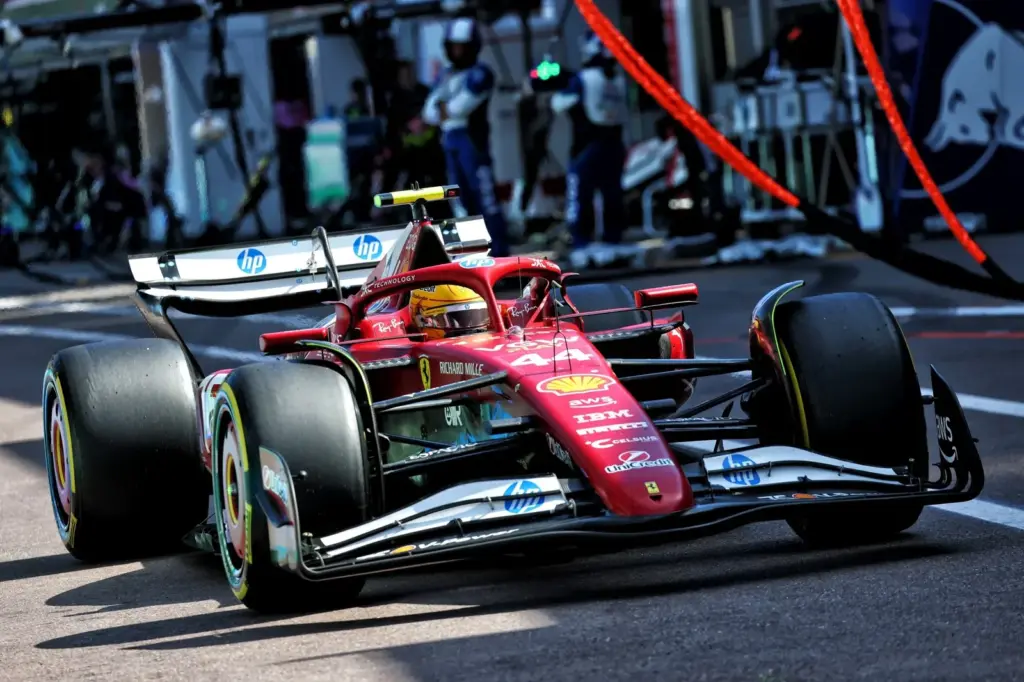
While on circuits like Monza teams seek to reduce drag to maximize straight-line speed, in Monaco the goal is exactly the opposite.
Teams use their maximum downforce aerodynamic packages to generate the highest possible level of grip in slow corners.
The focus is on car stability during direction changes and traction capability on the exits of low-speed corners.
As a result, the top speeds recorded throughout the lap are among the lowest of the entire season.
The tires chosen for Monaco
As traditionally happens in the Principality, Pirelli selected the softest compounds from its range for the round.
Drivers will have at their disposal the C3 (hard), C4 (medium), and C5 (soft) tires.
The choice aims to compensate for the track’s characteristics, which feature low levels of abrasiveness and relatively reduced tire wear.
According to the Italian manufacturer, there may be some occurrence of graining throughout the weekend, but the phenomenon should not represent a determining factor for team strategies.
Additionally, parts of the circuit have received new asphalt since the last edition of the race, including sections between the exit of the last corner and Sainte Dévote, as well as sectors near the tunnel and the pit lane entrance.
The traditional strategy is back
One of this year’s novelties is precisely the absence of the special rule used in 2025.
Last season, drivers were required to use three different sets of tires during the race, creating an unusual situation by Monaco GP standards.
For 2026, the regulations return to the conventional format.
In practice, this means the race again favors one-stop strategies, a scenario historically common on the streets of Monte Carlo.
The main strategic variable should continue to be the deployment of the Safety Car or the occurrence of a red flag.
Safety Car can change everything
If there is one factor capable of completely transforming a race in Monaco, that factor is neutralization.
Read more Giassi accelerates towards Le Mans and faces unprecedented challenge in Porsche Cup Brazil
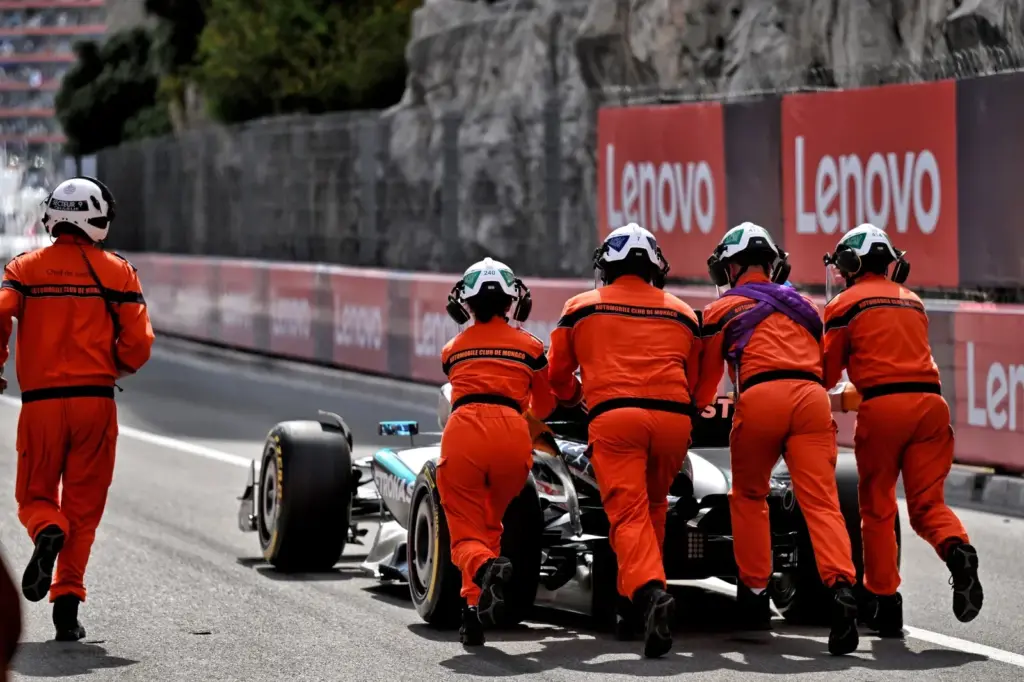
The proximity of the walls significantly increases the probability of accidents, while the lack of space makes it difficult to remove stopped cars without interrupting the race.
Therefore, teams and strategists usually prepare alternative scenarios for different moments of Safety Car and Virtual Safety Car.
A well-timed intervention can represent a gain of positions practically impossible to achieve on track.
What changes with the overtaking button?
The 2026 season introduced one of the biggest regulatory changes in recent years.
With the end of DRS, drivers started using the Manual Override Mode (MOM), a system that offers additional power to assist position battles.
Monaco will be one of the most interesting tests to evaluate the effectiveness of the new feature.
Historically, the circuit’s problem was never just the speed difference between cars, but mainly the lack of space to complete an overtaking maneuver.
Still, MOM could create unprecedented situations by allowing more aggressive approaches at certain points on the track.
One of the big curiosities of the weekend will be precisely to understand if the new system can increase the number of battles on one of the hardest circuits to overtake in all of Formula 1.
Who arrives as the favorite?
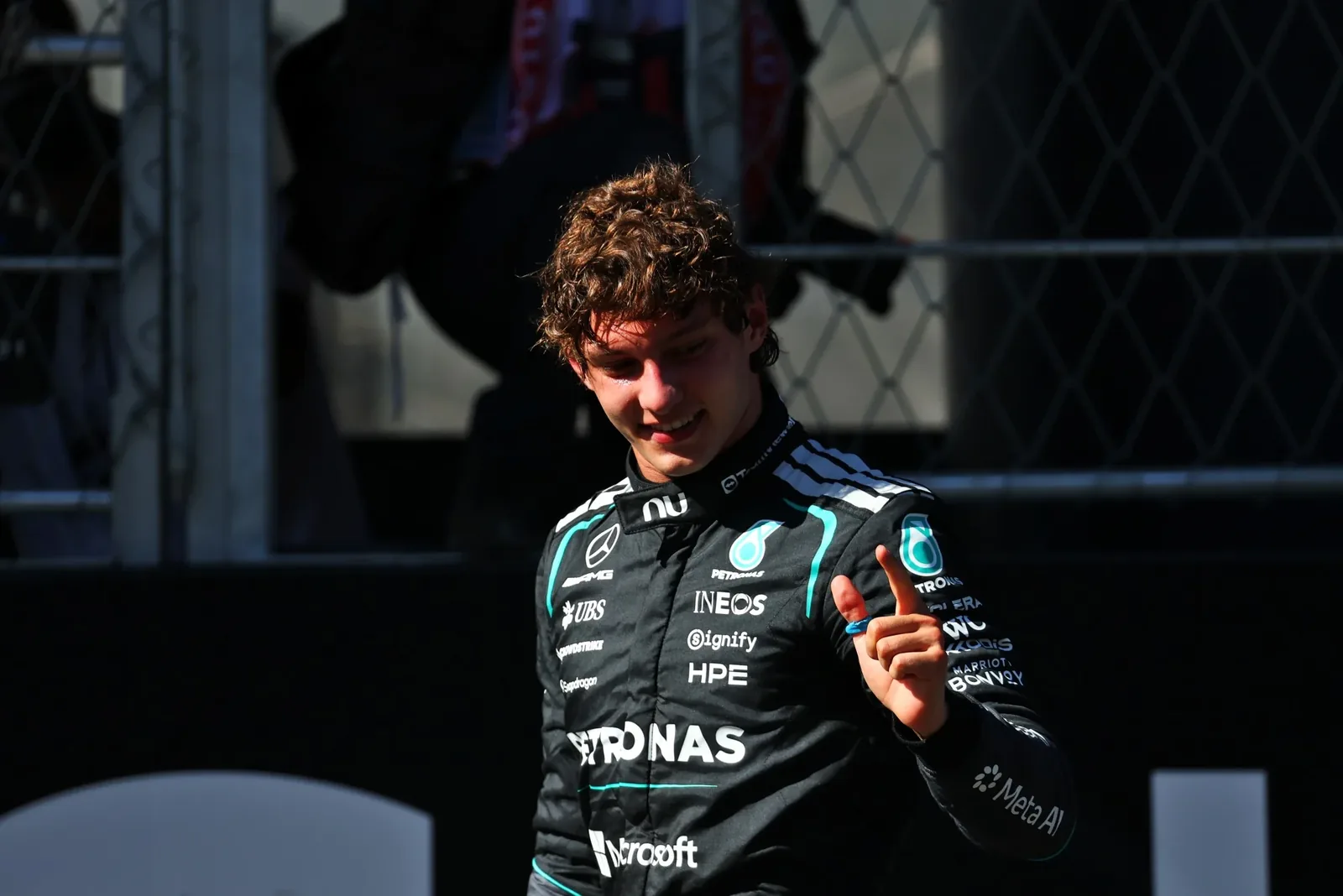
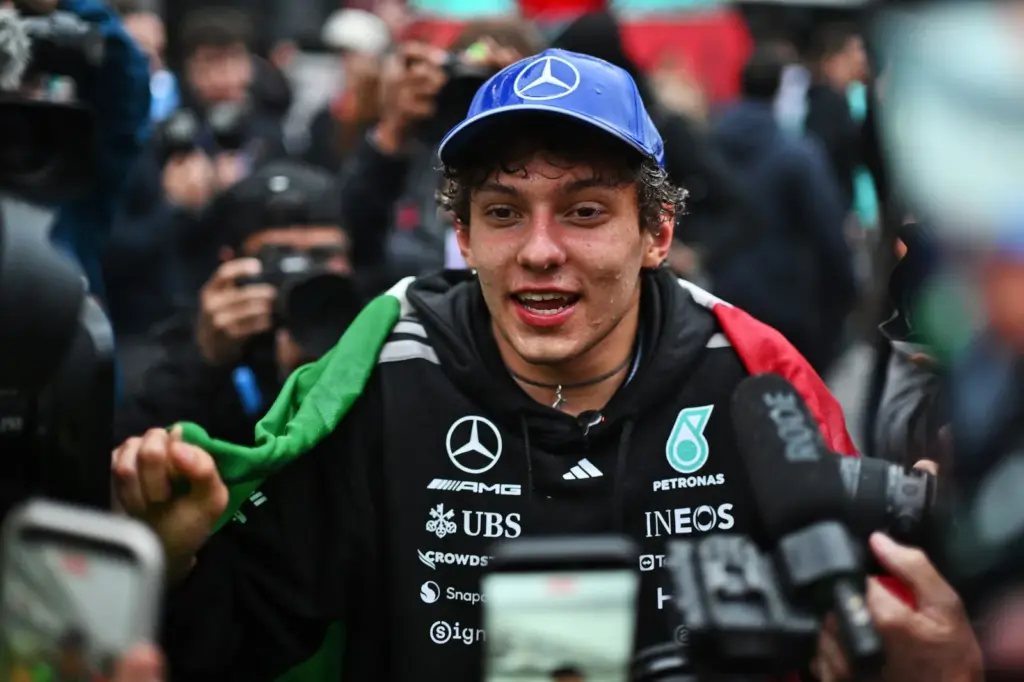
The main attention is focused on Kimi Antonelli.
The Mercedes driver arrives in Monte Carlo after securing four consecutive wins and leading the championship increasingly comfortably.
McLaren also arrives surrounded by expectation, both for recent performance and the team’s strong historical connection with the most famous circuit on the calendar.
Ferrari and Red Bull appear as natural candidates to fight for the top positions, especially on a weekend where a perfect qualifying lap can be enough to completely change the race outlook.
What to expect from Bortoleto?
For Gabriel Bortoleto, the round represents a return to one of the most challenging circuits of the season.
After his first experience in Monte Carlo in Formula 1, the Brazilian arrives better prepared to deal with the track’s particularities.
Qualifying should be the most important moment of his weekend. On a circuit where overtaking is extremely difficult, starting a few positions ahead can represent a significant difference in the final result.
Additionally, Monaco’s specific characteristics often create opportunities for midfield teams to surprise.
A weekend that remains unique
Even after decades of technological evolution, regulatory changes, and transformations in Formula 1, Monaco remains a singular challenge.
The combination of precision, strategy, history, and glamour makes no other race contested in the same way.
This weekend, the category returns to the streets of the Principality with new cars, new rules, and a new generation of drivers. But the essence remains exactly the same: in Monte Carlo, winning continues to be one of the most special achievements in world motorsport.
Read more Interlagos and NASCAR Brazil: a combination hard to contest