



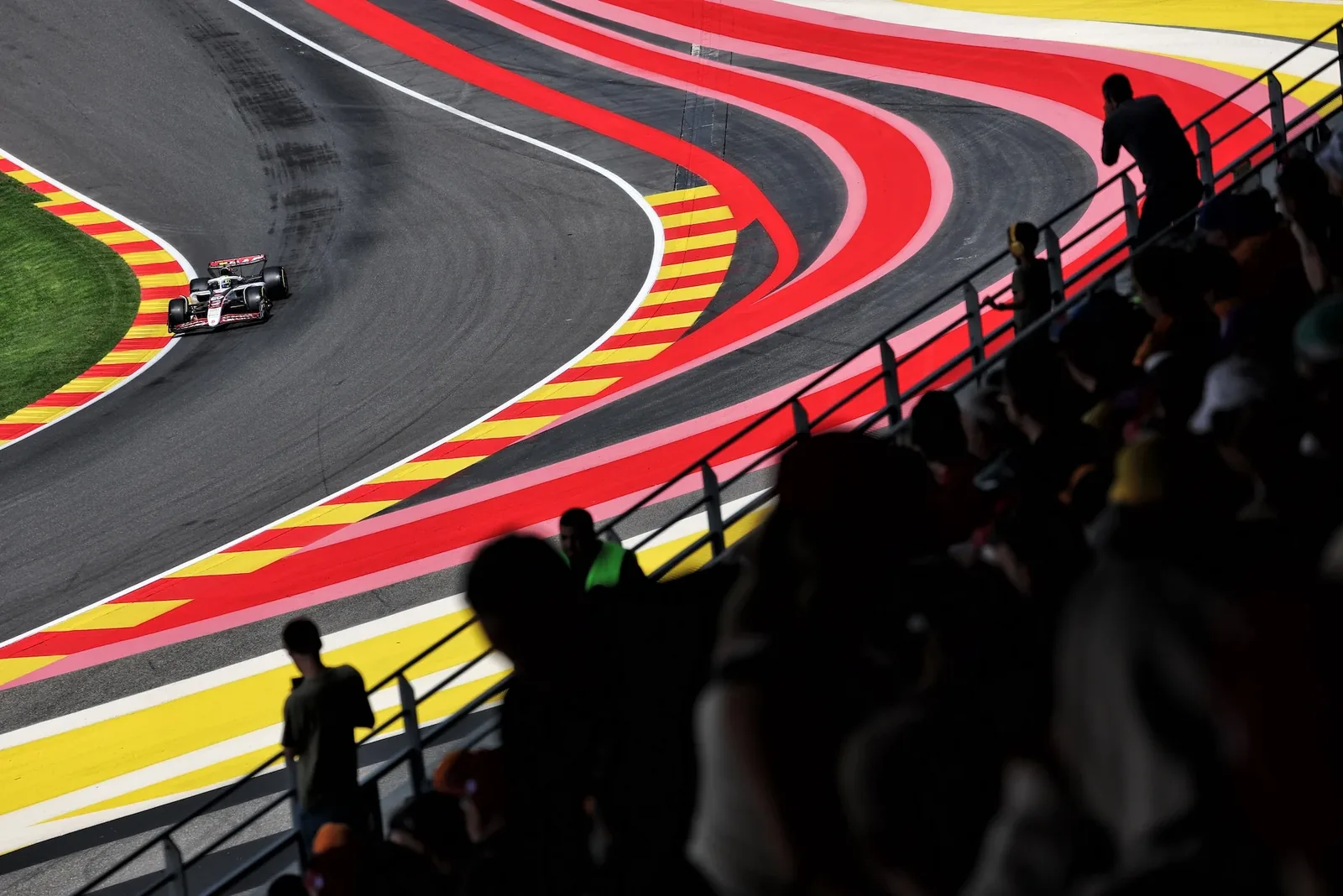
With 7.004 kilometers, Spa-Francorchamps has the longest lap on the calendar and extensive acceleration sections. In the new Formula 1, managing the use and recovery of energy will be crucial to avoid performance loss at the most important moments on the track.
Read more F1: Aston Martin faces Spa with concern ahead of updates
Spa-Francorchamps has always been a test for Formula 1 engines. The long straights, extended acceleration periods, and elevation changes have made the Belgian circuit a benchmark for assessing power and efficiency.

In 2026, the challenge gained a new dimension. With the current power units and a much greater participation of the electric system in delivering performance, simply having available power is not enough. It is necessary to decide how to use it and, above all, find efficient ways to recover energy throughout the lap.
On a 7.004-kilometer circuit, any error in this management can appear brutally.
Pirelli has already highlighted that, as happened in Silverstone, the drivers’ ability to efficiently manage and recharge the power unit will be crucial during the Belgian GP. Spa, however, presents a characteristic that amplifies the problem: no other lap of the season is as long.
Energy must last until the right moment
The new generation of power units has changed how drivers and teams approach the use of electric energy.
In a qualifying lap, the goal is not simply to release all available energy as quickly as possible. The system needs to work in a planned way so that the driver performs well in sections where the additional power produces the greatest time gain.
Spa makes this planning especially complex.
Acceleration after La Source takes the cars towards Eau Rouge, Raidillon, and Kemmel. Then, the second sector presents more technical characteristics before new high-speed zones in the final section.
Using energy too aggressively at the start of the lap can compromise availability in the final kilometers. Being too conservative, on the other hand, means leaving time on the track.
Read more F1: Spa reignites debate about the “yo-yo” effect problem in races
It is a balance that involves systems, engineers, and the driver.
The driver has taken on an even greater role
Power unit management does not happen only in the team’s computers. The driver actively participates in the process.
The way they accelerate, manage certain sections, and use the available resources can influence the amount of energy recovered and the performance delivered afterward. On a lap as long as Spa, small execution differences can accumulate.
Silverstone already offered important signs about this new reality of Formula 1. Belgium should deepen the analysis.
The circuit also has the greatest altitude variation of the season, adding another element to the cars’ behavior throughout the lap. Uphill and downhill sections change the demands on the package and force teams to build extremely precise maps for different parts of the track.
Maximum power does not mean maximum performance
Perhaps Spa helps explain one of the main changes in Formula 1 for 2026. For a long time, circuits with long straights were analyzed mainly based on the maximum power of the power units. Those with more strength usually found a natural advantage.
Now, efficiency has gained even greater importance. It is not enough to deliver power. It is necessary to deliver power at the right moment.
A team that manages its energy better can reach the main acceleration zones with more resources available. On a track where overtaking often happens after long acceleration sections, this difference can also directly influence position battles.
Spa will continue to be a power test, but in 2026, it will mainly be an energy intelligence test. And over the 7.004 kilometers of the longest lap of the season, any waste will clearly show on the timer.
Read more F1: Verstappen’s Manager Gives Updates on Future at Red Bull