


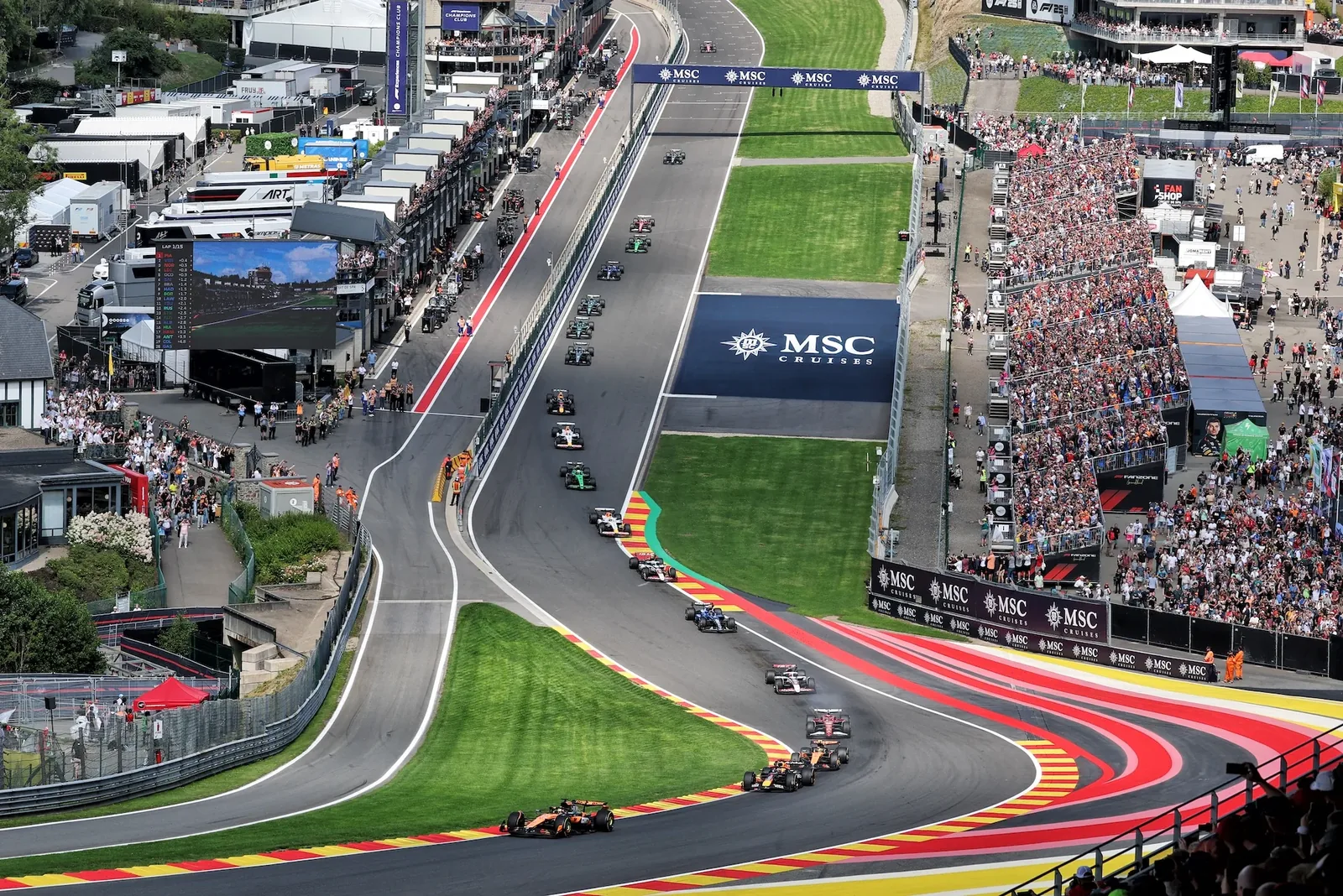
The Belgian Formula 1 GP promises to bring back into focus one of the most debated topics of the 2026 season, the so-called ‘yo-yo’ effect in on-track battles. The phenomenon, caused by the cars’ energy management, has once again worried drivers and teams ahead of the Spa-Francorchamps round.
Read more F1: Verstappen’s Manager Gives Updates on Future at Red Bull
The term has come to be used to describe situations where a driver makes an overtaking move using all available energy, only to lose the position shortly after due to insufficient charge to defend. With the characteristics of the Belgian circuit, the scenario could repeat even more intensely this coming weekend.

Although the first races of the year were received positively, the weariness with the new racing format has increased throughout the championship. Circuits like Suzuka highlighted the limitations imposed by the 2026 regulations, while Monaco and Austria partially masked the problem thanks to the particularities of their layouts.
Max Verstappen believes Spa will be another tough test: “I love Spa, but it will be another painful race because of the energy. It’s my favorite track on the calendar and it’s always good to come back. I think it could be more complicated with the energy management limitations on the straights, but historically we’ve done well here, so you never know what might happen,” said the four-time world champion.
Read more F1: Verstappen Racing bets on young talent from McLaren academy
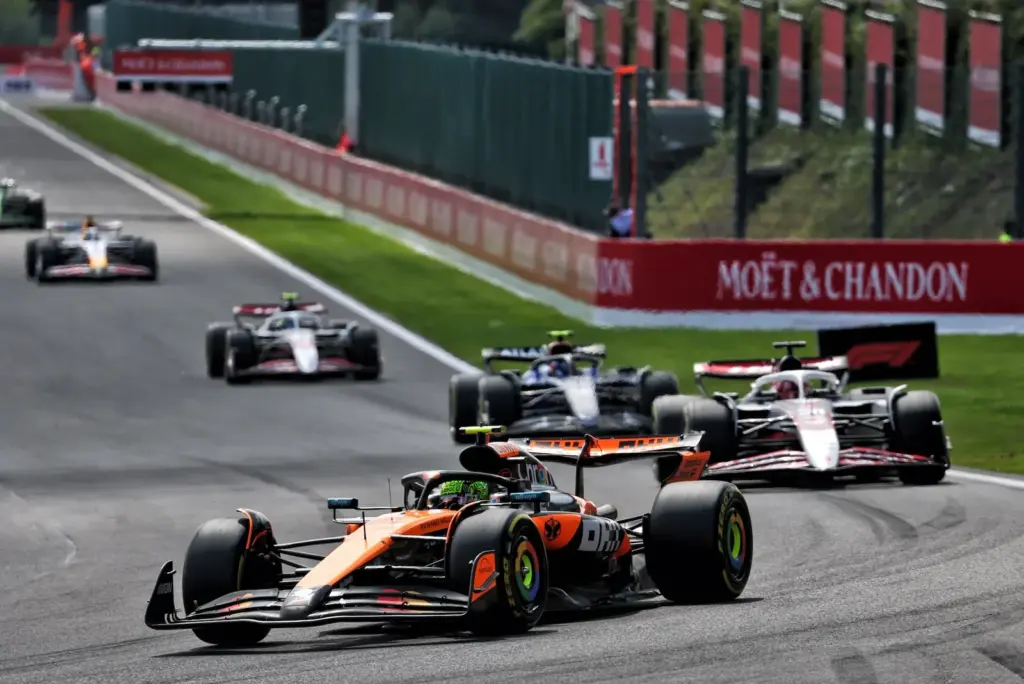
Oscar Piastri shares the same concern and pointed to Spa and Monza as circuits especially affected by the new rules: “On these tracks, with so much speed and so many straights where you’re not at full power, everything becomes chaotic. At Spa, when you reach halfway to turn 6, the battery is already empty on a normal lap,” he explained.
Fernando Alonso offered a more technical view on the challenge: “You can’t use all the energy on every straight. If you do that between turns 1 and 5 at Spa, it’s over for the rest of the lap. You have to save some in certain sections to have energy available between turn 14 and the final chicane,” added the Spaniard.
Gabriel Bortoleto took a more pragmatic stance amid the complaints: “These are the regulations we have until 2030. We can’t spend three years talking about the same problem. The cars are still fun to drive, they’re just different. We need to adapt, that’s part of it,” concluded the Brazilian from Audi.
Read more Has the new F1 solved the biggest puzzle of Spa, the venue of the Belgian GP?