








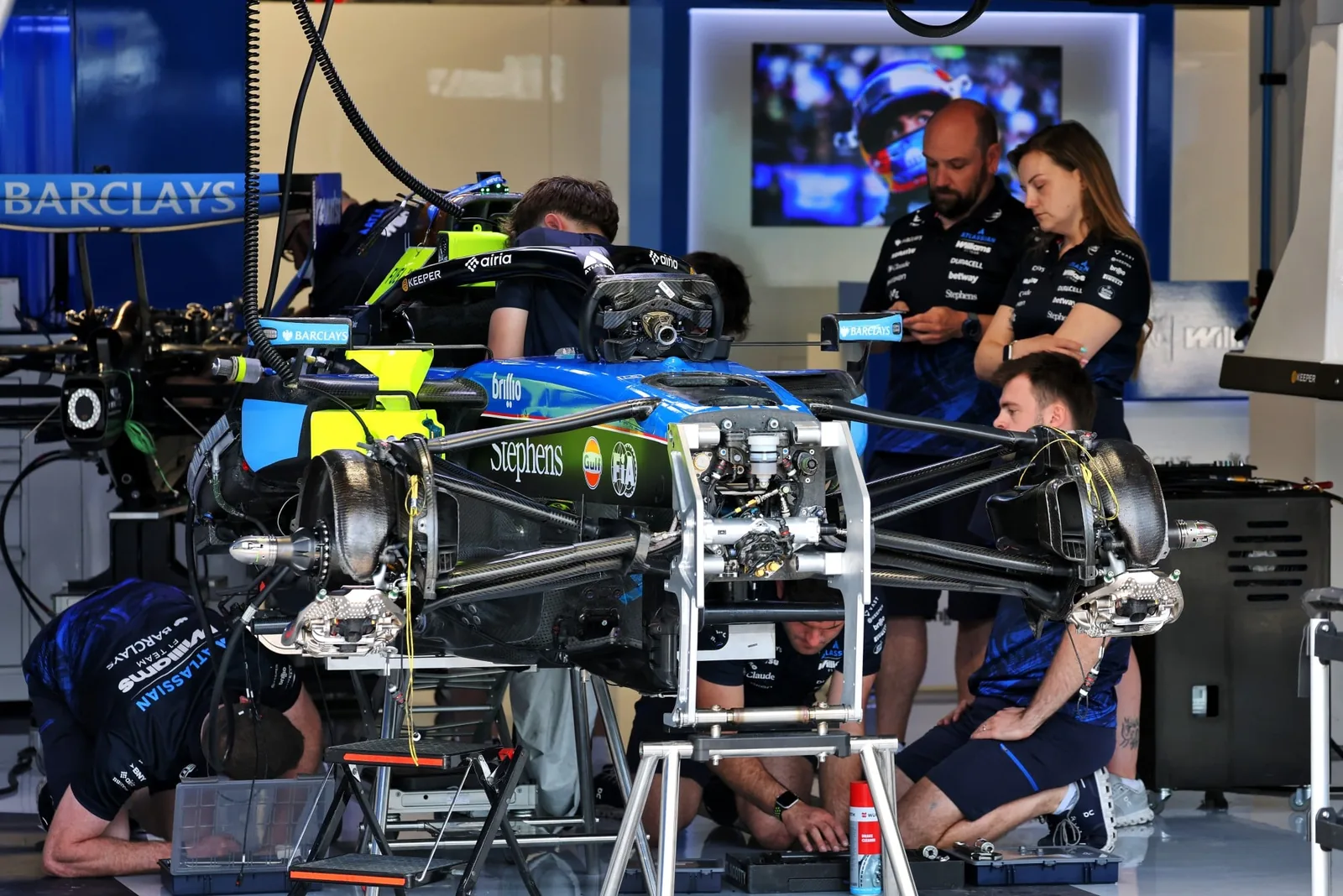
Williams has made progress on one of the main problems of its current Formula 1 car, but the impact will not be immediate. The team has completed the weight reduction work on the 2026 model, although the solution will still take time to fully reach the tracks.
Read more F1: Bortoleto finishes 11th in Miami GP Sprint race
This weight issue had been affecting performance since the start of the season, and the recent break in April was crucial to tackle this limitation. Even so, implementation depends on factors such as production and management within the cost cap.
The team principal, James Vowles, highlighted the collective effort in recent weeks: “The engineering work has been completed, we managed to remove all the weight from the car and even ten kilos beyond that, but this has not yet been fully applied on track,” he said. According to him, the team needed to carefully plan the introduction of the new parts.
Read more F1: Possibility of storm may change Miami GP schedule
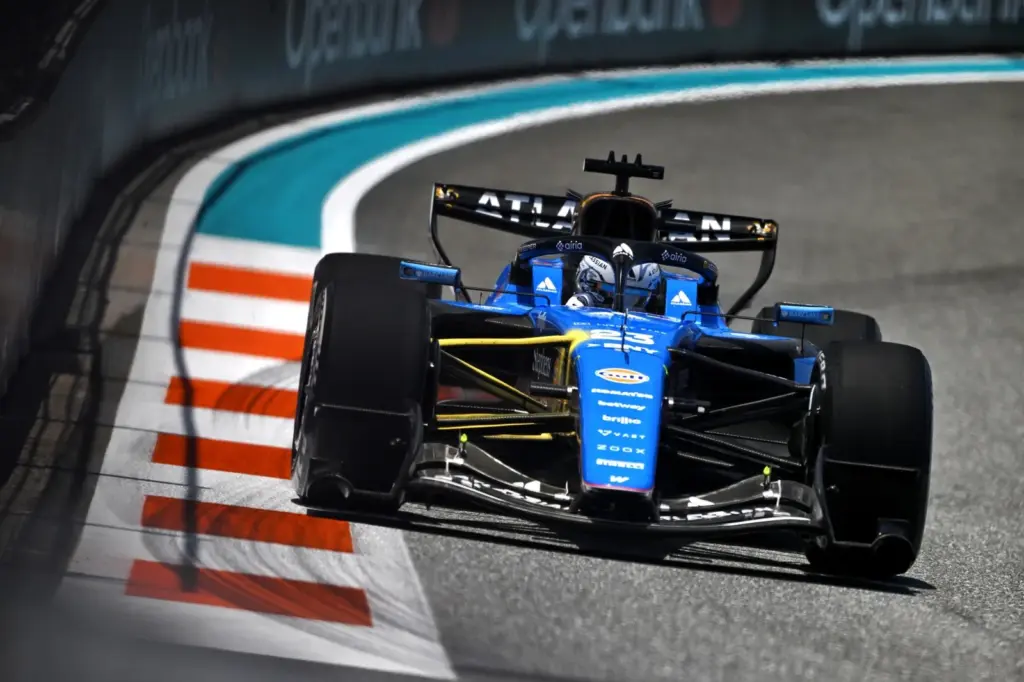
Vowles explained that the delay is linked to the lifecycle of the current components and financial regulation constraints: “It doesn’t make sense to replace parts before the end of the cycle, we need to be efficient within the cost cap,” he said. In Miami, the reduction was partial, with only a few kilos removed, and the trend is for gradual evolution with each race.
Despite the progress, the manager acknowledged that the road is still long: “The gap to the leaders is still large, we took a small step, but we need to keep evolving over the next races to make a real difference,” he concluded, highlighting that the goal is to put the team back among the best of the midfield pack by the end of the car’s development.
Read more Check the standings of the 2026 F1 championship after the Miami GP Sprint