






Formula 1 could promote important changes to the format of qualifying sessions, already within the 2026 regulations currently in force. Among the ideas under discussion, the release of the straight-line mode in a broader, or even unlimited, way emerges as an alternative to make qualifying sessions more interesting.
Read more F1: Leclerc sees engine as «specific area» of improvement for Ferrari in 2026
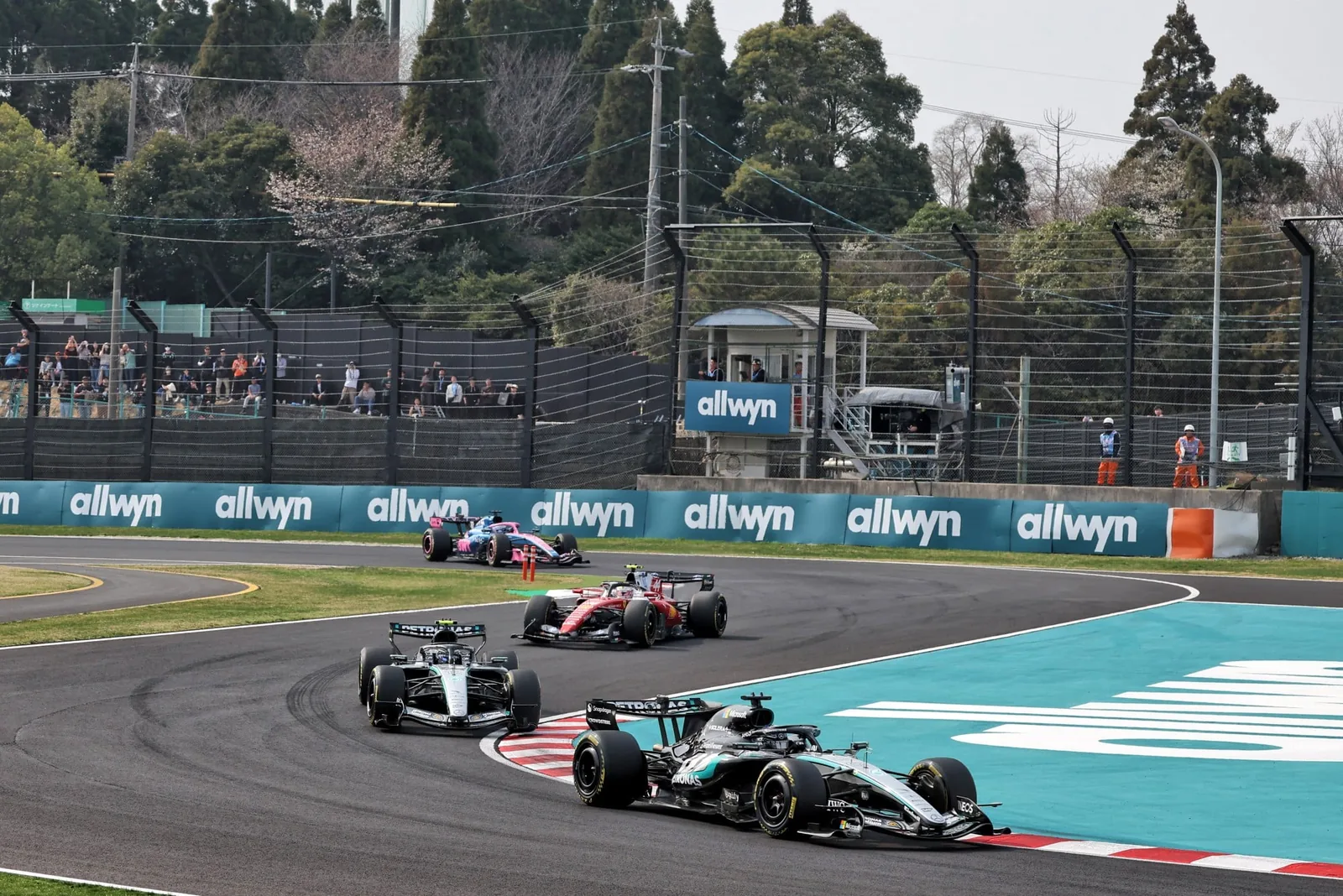
These discussions gained momentum after the Japanese GP, especially after the heavy crash of Haas’s Oliver Bearman during the race. The episode accelerated debates not only about safety, but also about car performance and the visual impact of speed differences.
According to information from The Race, paddock members are showing concern about the sudden deceleration of cars and speed differences caused by battery energy recovery, which, in addition to raising safety issues, also harms the category’s image. As a result, several proposals have emerged to adjust car behavior.
One of the suggestions involves reducing the energy release level from the current 350 kW to 200 kW. The idea is to distribute the power over a longer period on the straights, smoothing out speed differences. Another proposal considers increasing the energy capture from ‘superclipping’ from 200 kW to 350 kW, although the publication indicates that the impact of these changes would be limited.
A reduction in ‘harvesting’ (energy capture) is also already being tested. Currently at 9 MJ, the value was reduced to 8 MJ in the qualifying session in Japan, with the proposal to drop to 6 MJ for the rest of the season. This measure would decrease the need for ‘lift-and-coast’, but could create another problem: an increase in lap time by up to two seconds due to the drop in speed on the straights.
Read more F1: Former technical director calls for regulation changes to the FIA to prevent further accidents
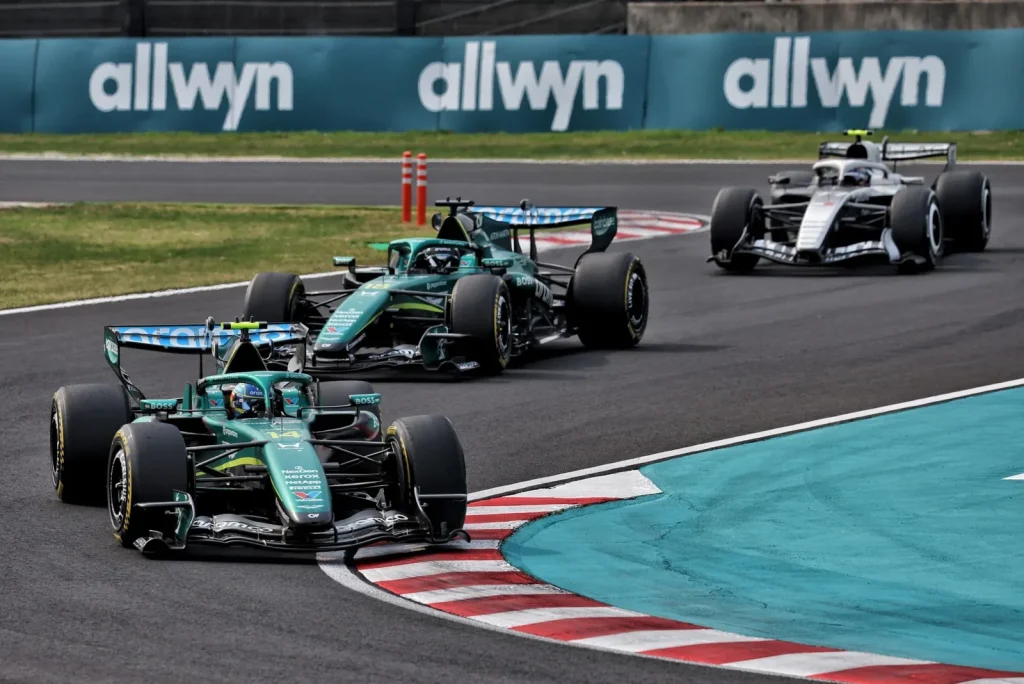
Another alternative debated is changing the fuel flow allowed during qualifying sessions, as was done in Japan. However, there is concern that this change could affect the reliability of the power units, as the internal components were designed based on current limits.
In this scenario, the proposal considered the boldest emerges: the expansion of the use of active aerodynamics during qualifying. The idea is to allow straight-line mode beyond predefined zones, including high-speed sections such as the 130R corner at the Suzuka Circuit.
According to the report, studies are already evaluating even the unlimited use of straight-line mode during qualifying sessions. The measure could reduce aerodynamic drag, increase speeds, and make laps more competitive, an objective that has been discussed in the paddock with a focus on improving the Formula 1 spectacle.
Read more F1: Hadjar highlights difficulty of driving RB22 in Japan: «It was even dangerous»