









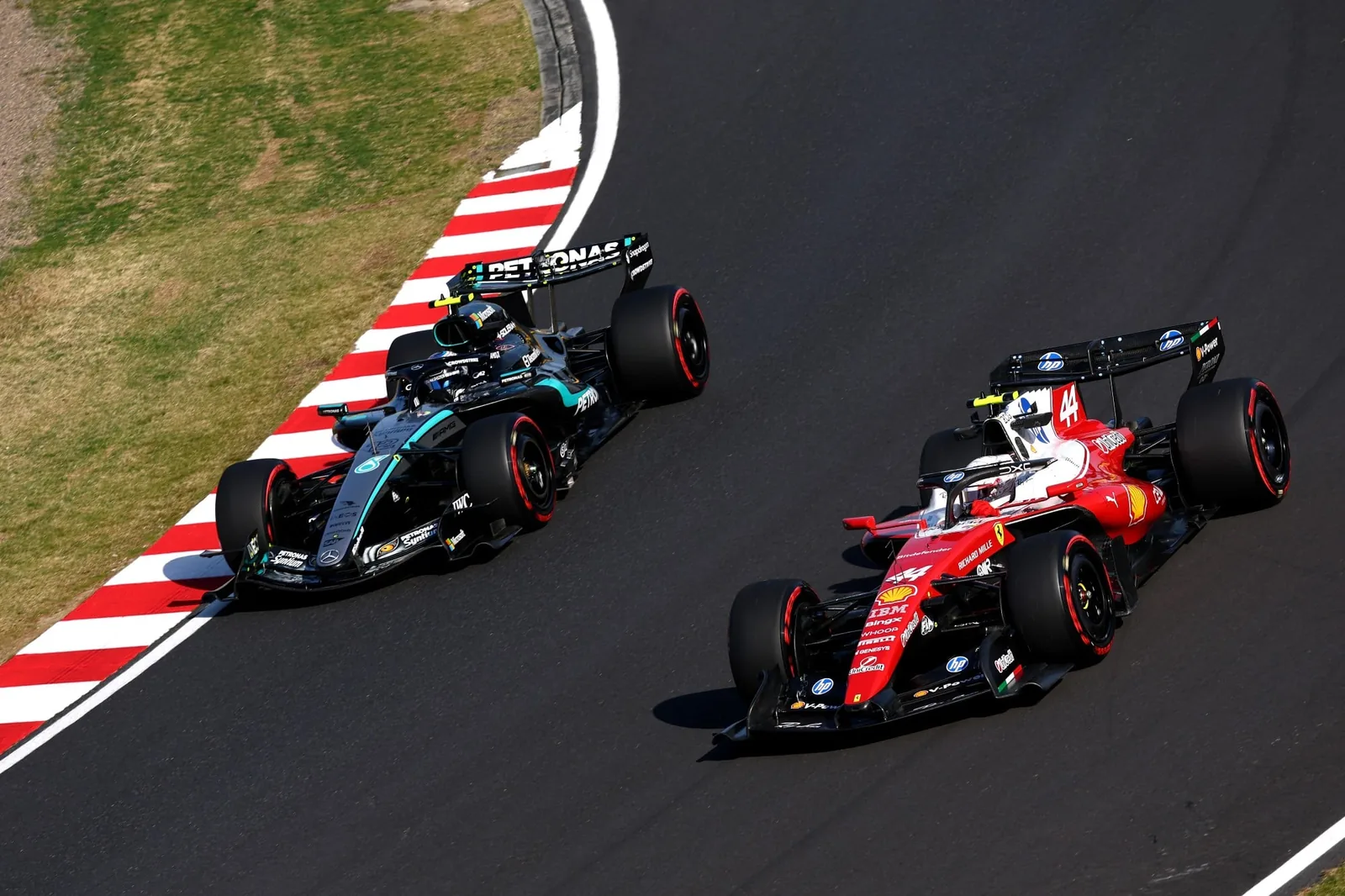
Changes to the 2026 season regulations, which come into effect from the Miami GP, promise to redistribute forces on the grid, with direct impacts on each team’s advantages and disadvantages. The changes were defined by the FIA (International Automobile Federation) and mainly affect energy use and performance at starts.
Read more F1: Red Bull may delay engine update even with new rule
Among the teams that may lose ground, Mercedes appears to be the most affected. This is because the reduction in maximum energy recovery capacity, from 8MJ to 7MJ, precisely limits an area in which the team had been excelling since pre-season: energy management. With less energy available and greater control over boost usage, the advantage based on efficiency tends to decrease.
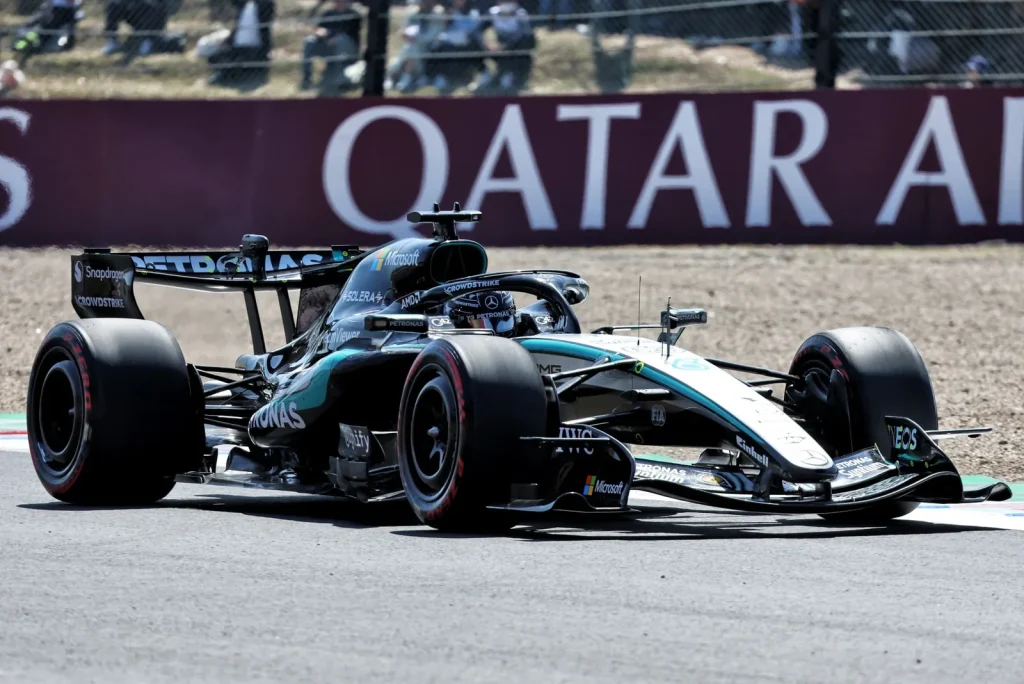
On the other hand, Mercedes may find a positive point with the introduction of the “low power detection at start” system. The mechanism automatically activates the MGU-K when it identifies failures at the start, ensuring minimum acceleration.
Read more F1: Haas boss praises Bearman and says: «I don’t see limits and that’s exciting»
Ferrari, meanwhile, emerges as one of the possible beneficiaries of the new rules. The Italian team, which showed good aerodynamic and chassis performance but had not yet mastered energy management, tends to get closer to rivals with the imposed limitation. Furthermore, its history of good starts may reduce the impact of the new system introduced.
Another change that directly influences the balance is the increase in the peak power of “superclipping”, from 250kW to 350kW. This measure favors cars with good mechanical grip and aerodynamic efficiency, capable of quickly transforming power gains into on-track performance. This reinforces the importance of drivability and MGU-K efficiency, benefiting teams with more balanced packages.
Read more F1: Rosberg minimizes criticism about 2026: «If we have battles, fans don’t care»