





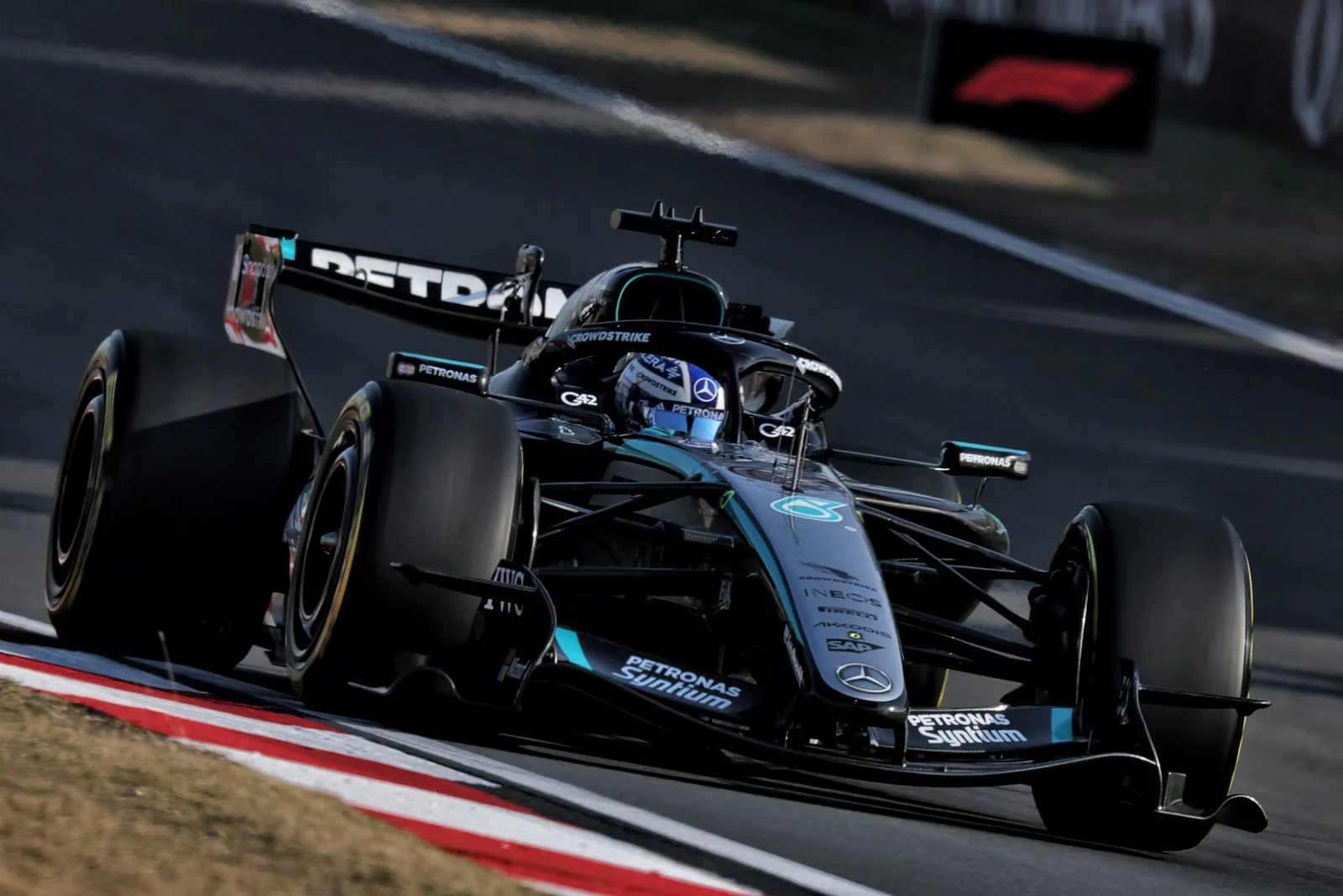
Formula 1 started the 2026 Chinese GP weekend with clear signs of strength from Mercedes in Shanghai. Simulation data analyzed after FP1 indicates that the German team may have a significant advantage over rivals at the Chinese circuit.
Read more TCR South America: Pernía celebrates triumph in MG and points to the start as fundamental
George Russell confirmed the good momentum by securing pole position for the Sprint, while Kimi Antonelli completed an all-Mercedes front row. The performance reinforces the impression that the team may have the most competitive car on the grid at this start of the season.
Russell had already shown strong pace in FP1, the only free practice session of the weekend with the Sprint format. The Briton quickly found a good setup for the car and maintained a consistent advantage throughout Sprint qualifying.
The Mercedes driver’s best lap was only 0s879 above the historic record of the Shanghai circuit. This data indicates that the new generation of Formula 1 cars are already beginning to reach very high performance levels.
Qualifying simulation analyses point out that Mercedes could have up to half a second advantage over its main rivals. This allows Russell and Antonelli to attack fast laps without the need to take excessive risks.
The German team’s car shows strong performance in all types of corners: slow, medium, and fast. On the straights, Mercedes loses a bit of performance to Racing Bulls, but still maintains an advantage over McLaren, Ferrari, and Red Bull.
Despite the dominance in lap pace, one point of attention remains the starts. Russell stated after taking Sprint pole that the team believes it has improved this aspect between the Australian GP and the Chinese round.
Behind Mercedes, McLaren surprised by beating Ferrari in Sprint qualifying. Lando Norris secured third position after a decisive lap at the ideal track moment, even with a car that, according to the data, was not the third fastest on the grid.
Lewis Hamilton finished fourth with Ferrari and showed competitive pace throughout the day. Ideal lap data indicates that the Briton could have been even faster had he put all the best sectors together in a single attempt.
Read more TCR South America: “I knew it would be a long race,” says Trappa after triumph in Curvelo
Charles Leclerc, for his part, faced problems during SQ3. The Monegasque reported losing about half a second on the back straight on his second fast lap for reasons not yet identified by the team.
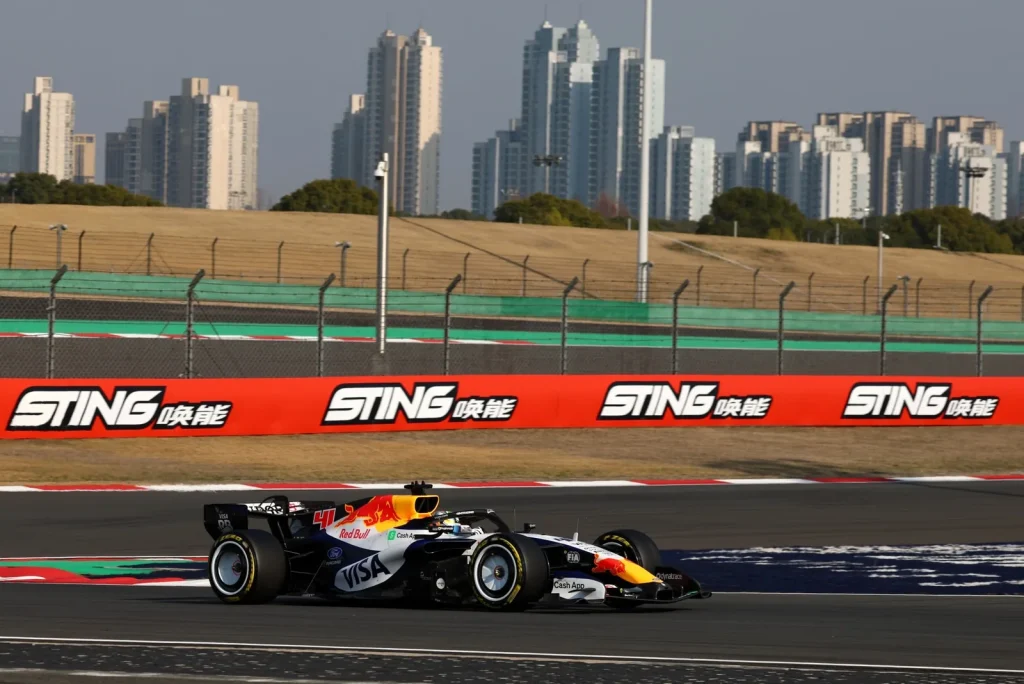
Red Bull had a difficult Friday in terms of performance. Max Verstappen finished only eighth and described the car’s behavior as a “disaster,” complaining about the lack of grip and balance in the corners.
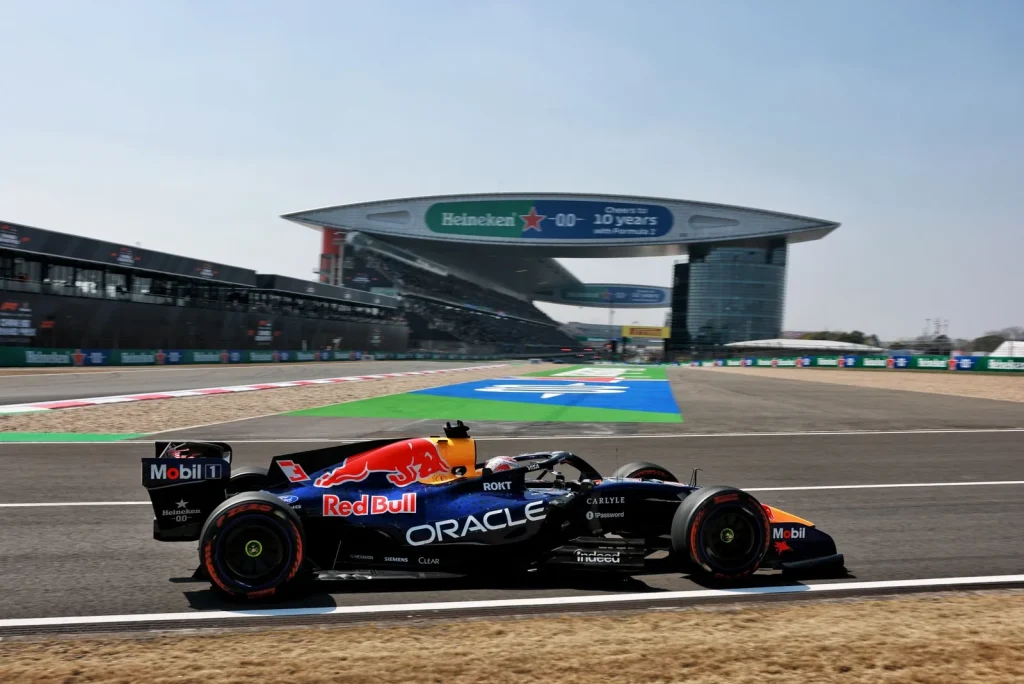
Simulations indicate that the Austrian team is more than a second behind the leaders at this moment. This places the team within the midfield, with Haas and Alpine appearing very close in qualifying pace.
Among the positive highlights of the midfield are Pierre Gasly and Oliver Bearman. The Frenchman put Alpine in seventh position, while the Haas driver again impressed by beating his teammate Esteban Ocon.
In terms of strategy, Pirelli’s Medium tire was mandatory in the first two parts of Sprint qualifying. This compound also appears as the most likely for Saturday’s short race, with Soft tires reserved for qualifying and Hard tires for the Grand Prix.
Track conditions also influenced performance. With lower temperatures than last year and little recent activity at the circuit, the asphalt showed low grip and graining on the front-left tire.
The trend, however, is for the track to evolve rapidly throughout the weekend. With more cars in action, including the F1 Academy races, the expectation is that grip will increase significantly for the Sprint and for the decisive sessions of the Chinese GP.
Read more F1: Hamilton says Ferrari needs to gain power to face Mercedes