







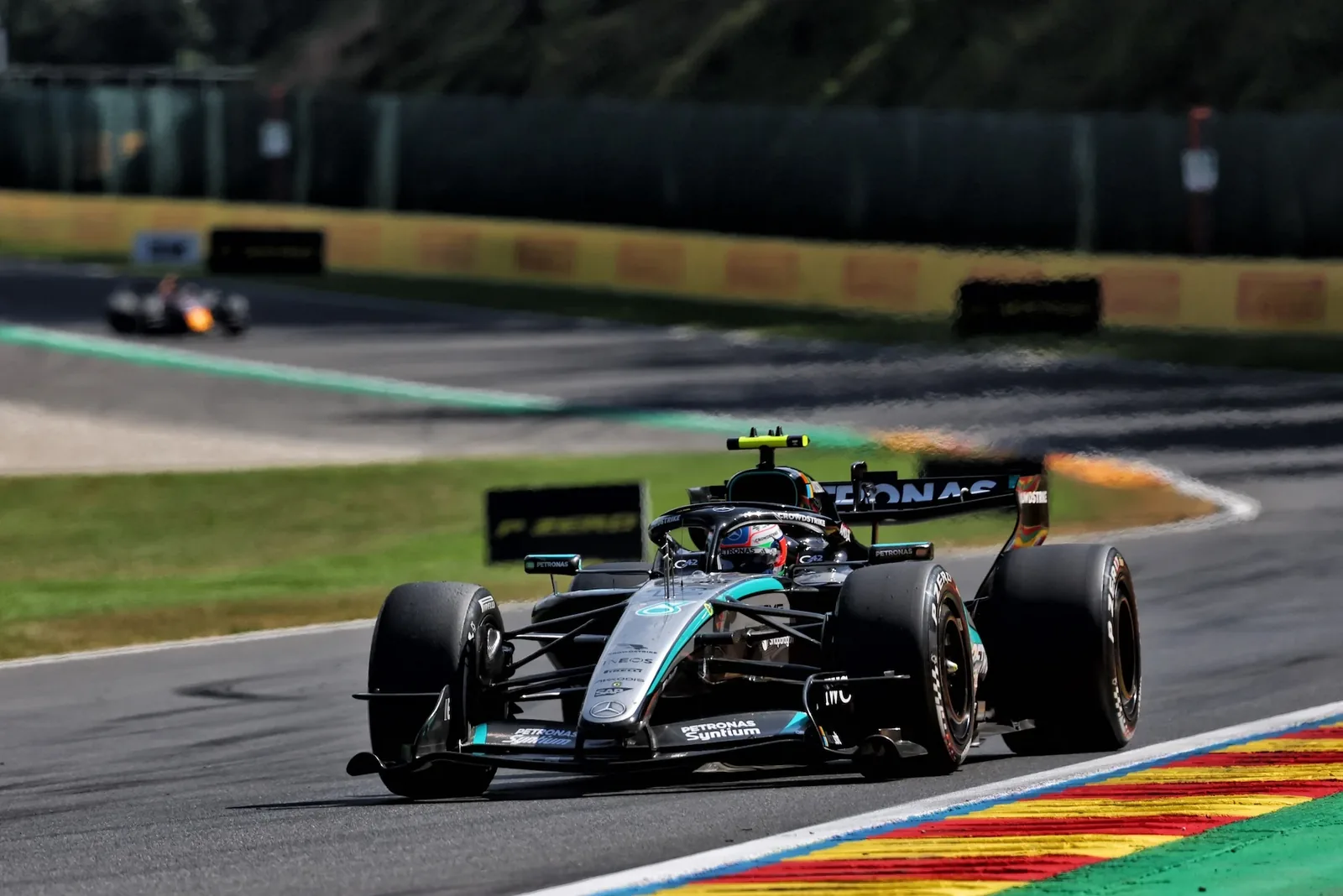
Mercedes adopted an aggressive strategy to develop its 2026 car and is now paying the price in the pace of updates. James Allison explained why the team fell ‘out of phase’ compared to the main competitors in Formula 1.
Read more F1: Mekies recalls Red Bull’s attitude of not giving up on the 2025 title
This decision was made before the start of the season, when Mercedes chose to take the development of the W17 further than in any previous project. The intention was to make the most of the aerodynamic evolution provided by the new regulations, which, according to Allison, present an unprecedented development rate.

“One of the defining features of this regulation cycle is how immature they still are. The development rates are huge compared to previous years,” Allison said on the Nu Silver Arrows podcast. According to the technical director, the gains observed in the wind tunnel are approximately six or seven times greater than last season, while the pace of evolution represents about half a second every two months.
The strategy allowed Mercedes to arrive at the first race with a very competitive car, but it also consumed much of the development potential early: “The downside is that we essentially spent all that performance upfront. Other teams finished their cars earlier and therefore were able to start developing updates sooner,” Allison explained.

The effect became evident in the approaches of Ferrari, McLaren, and Red Bull. Ferrari was pointed out as the team that introduced the most updates in the first eight rounds, while McLaren showed great evolution mid-season and Red Bull brought important changes to Miami.
Read more Uruguay Racing Team tests Hyundai Elantra N TCR with an eye on 2027
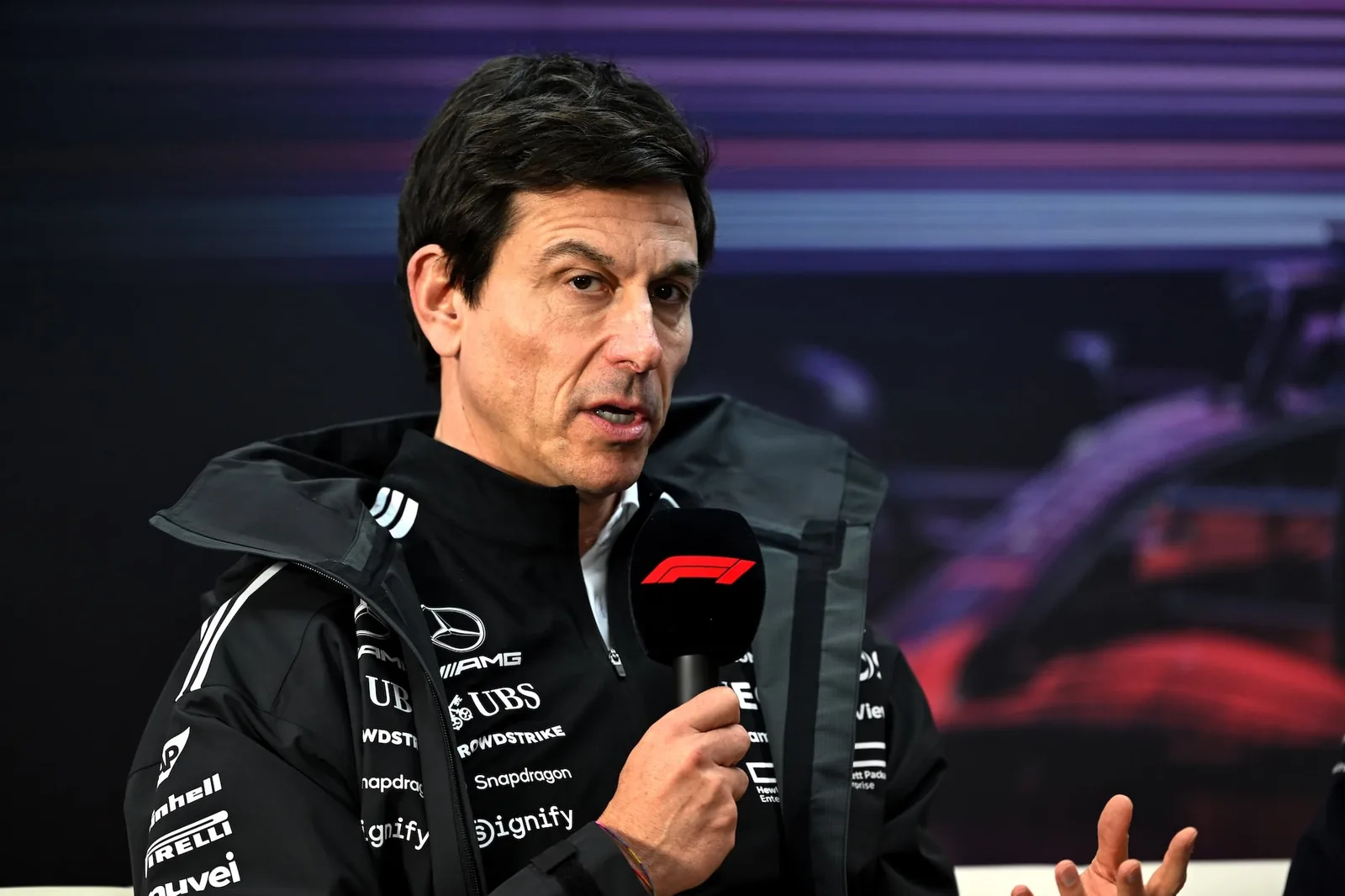
Mercedes, on the other hand, focused its strategy on the second half of the championship. Toto Wolff described the plan as ‘weighted towards the second half of the season,’ while deputy technical director Simone Resta confirmed that bigger updates will be introduced after the category’s activities resume next weekend.
Even with Kimi Antonelli leading the drivers’ championship with 219 points and Mercedes having a 72-point advantage over Ferrari among the teams, Allison acknowledges that the margin is shrinking: “We are now slightly out of phase with some of our competitors. They have been introducing updates while we rebuild our development line,” he added.
The goal, according to Allison, is to maintain the lead until the next wave of updates returns to Mercedes the advantage built at the start of the year: “What we are seeing is that everyone is gaining at a similar pace. That means the competitive scenario can change very quickly,” he concluded.
Read more NASCAR Brazil in Londrina: see the schedule for the sixth stage of the 2026 season