








Formula 1 debuts at the Miami GP adjustments that promise to change the way drivers approach qualifying. The expectation is to reduce one of the main complaints of the 2026 season, as explained by Mark Temple, McLaren’s technical performance director.
Read more F1: Colapinto rebuts Bearman’s remarks about the accident in Japan: «I was not aggressive»
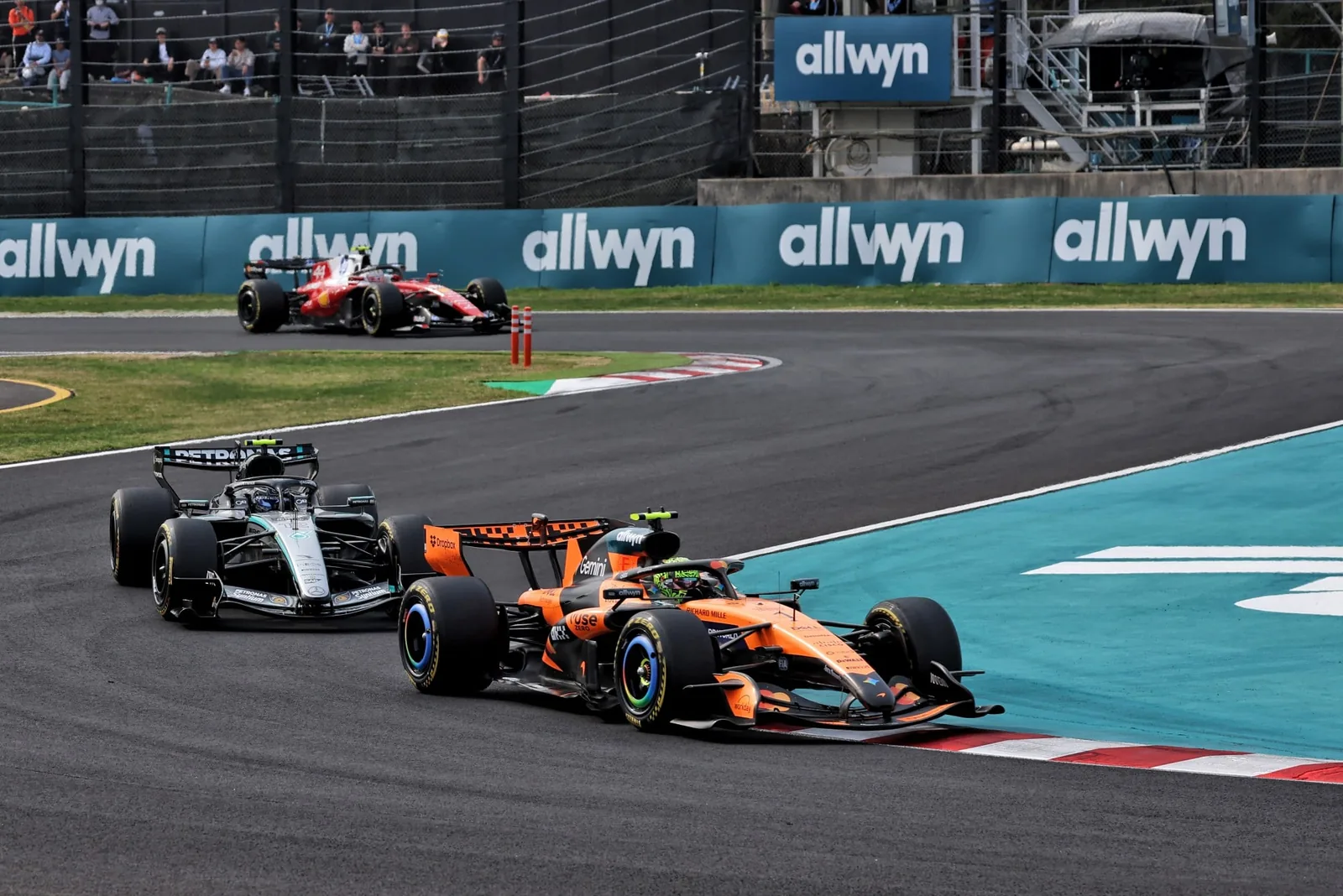
In the first GPs of the year, the need to ease off before corners to recharge energy generated criticism from drivers and fans. After meetings held in April, the category defined new rules for qualifying, races, and safety, aiming to make the process more natural and efficient.
Among the changes are the reduction of the energy recovery limit from eight to seven megajoules and the increase of the super clipping power from 250 kW to 350 kW. The McLaren executive then highlighted that these changes should eliminate “lift and coast” in qualifying. “The idea is to eliminate some of those things that drivers don’t like to do in qualifying. This concept of letting the car roll for a long time before a high-speed chicane, instead of keeping the throttle full and braking harder, is not natural,” he said.
Read more F1: Vasseur takes Ferrari’s focus in the fight for evolution
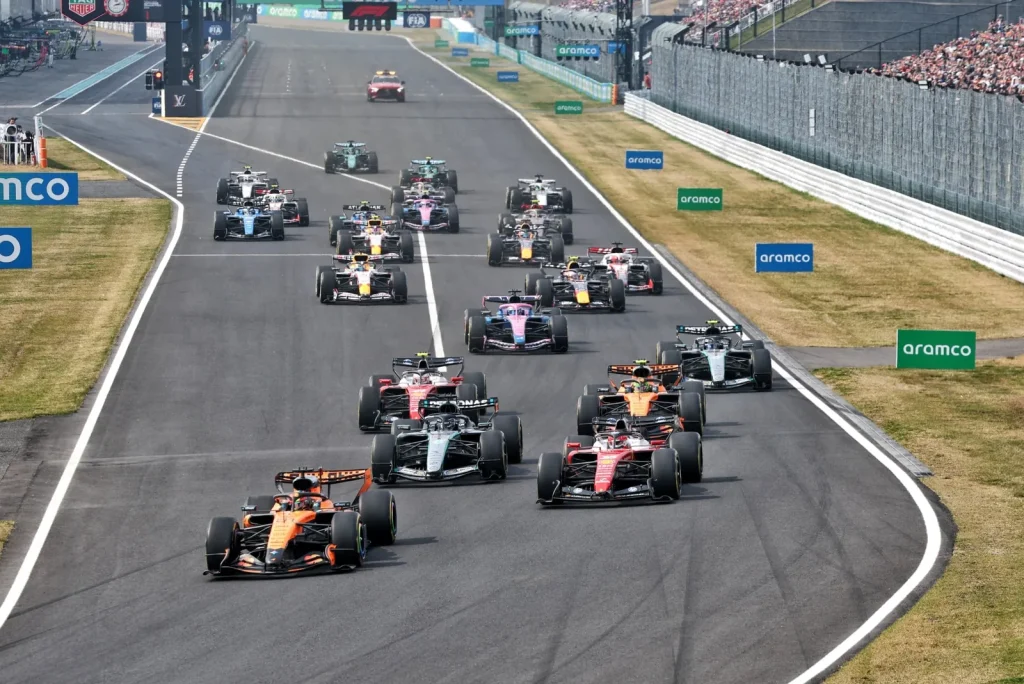
According to Temple, the new operation of the power unit will allow drivers to keep the throttle pressed longer, with the system itself managing energy recovery. “Now it’s more efficient and this is controlled by the power unit, so the driver can keep the foot down and the system recovers energy. The straight-line mode remains active, so the car decelerates less,” he explained.
The executive also emphasized that the changes bring driving closer to what was seen in previous years, with fewer intermediate phases and greater fluidity. “This will make qualifying feel much more natural for the drivers,” he concluded.
Read more F1: FIA plans to define details of the next engine in a few months