





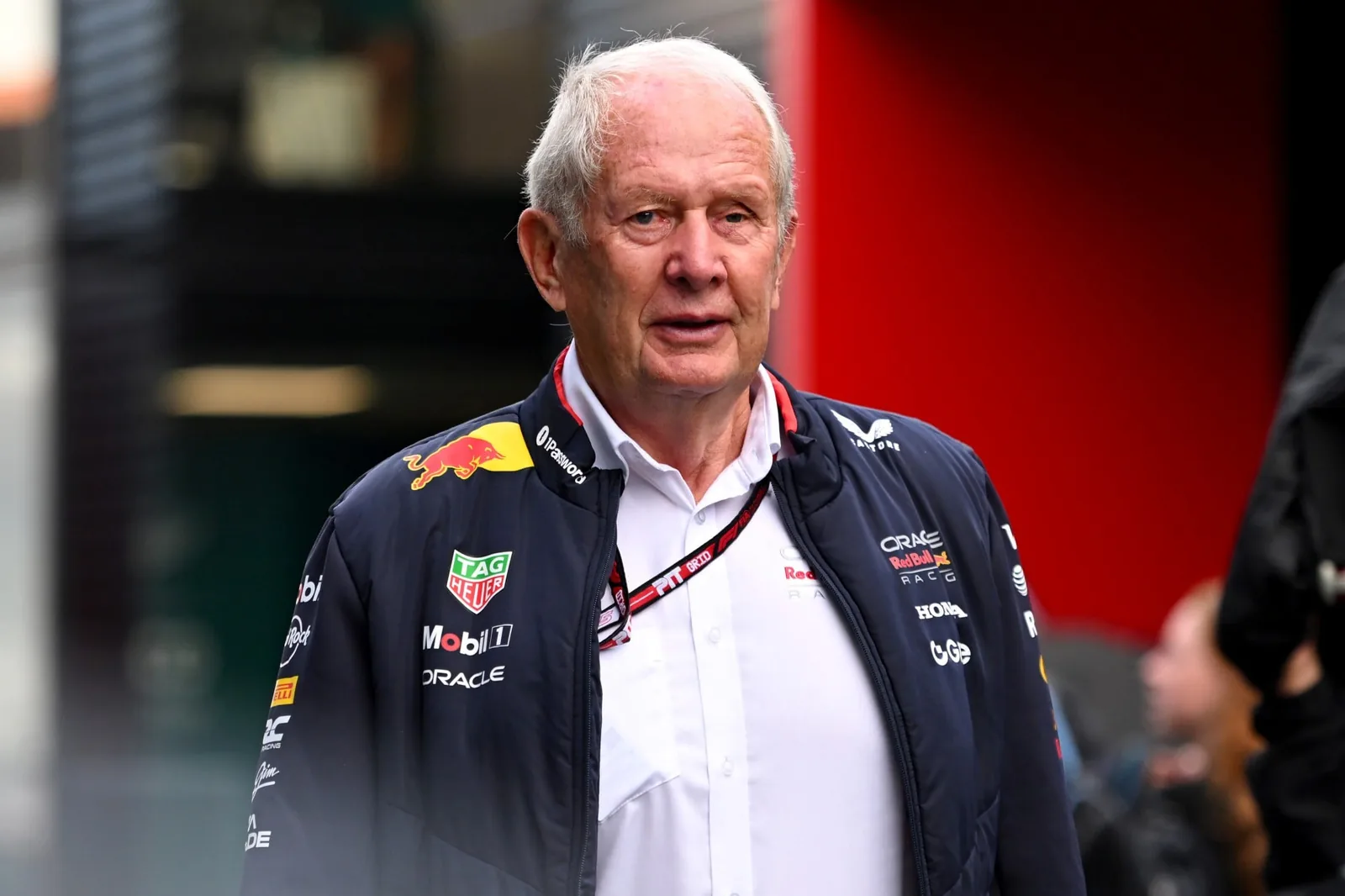
Max Verstappen had one of the most remarkable promotions in recent Formula 1 history in 2016, but the decision divided opinions within Red Bull Racing itself. According to Helmut Marko, former team consultant, Christian Horner, former team principal, was against promoting the Dutchman.
Read more F1: Fans say Russell needs to be more aggressive towards Antonelli
The change happened a few races after the start of the 2016 season. Verstappen was promoted to replace Daniil Kvyat and form a duo with Daniel Ricciardo, while the Russian driver returned to Toro Rosso (now Racing Bulls) after a difficult start to the championship.
Kvyat had a particularly difficult weekend at that year’s Russian GP, when he hit Sebastian Vettel’s car twice on the very first lap of the race. For Marko, the driver’s problems had already been showing since the pre-season tests: “Kvyat crashed twice in that race. The previous year, he performed adequately and was sometimes even faster than Daniel, especially in the rain. But in 2016 he was no longer the same driver and complained about the brakes from the first day of testing. It became clear that we needed to do something,” Marko told De Telegraaf.
Red Bull opted for Verstappen even though Carlos Sainz was another internal alternative. According to Marko, the choice of the Dutchman was considered simple within the team, although it caused frustration in the Spaniard: “Carlos was very disappointed that we did not choose him. But for us, it was a clear and simple decision,” said the executive. Marko also revealed that Horner did not support the idea of promoting Verstappen after only four races in 2016.
Read more F1: Ricciardo reveals shock after leaving the category
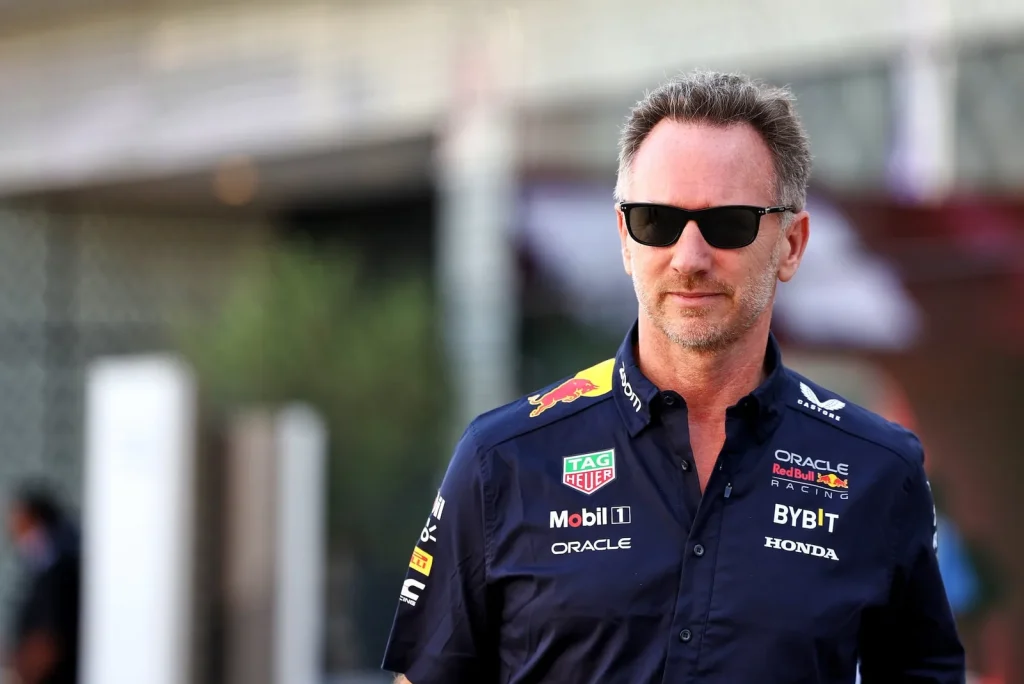
“The team principal, Christian Horner, disagreed with Max’s promotion after only four races in 2016. He was against it,” he said. According to the former consultant, many rivals and critics also considered the decision risky because they believed Verstappen was still too young to take a cockpit at Red Bull.
Despite internal and external doubts, Verstappen responded immediately on the track. In his debut for the main team, the Dutch driver, then eighteen years old, won the race and became the youngest winner in Formula 1 history, starting a trajectory that would make him one of the most successful names in the category, with four titles won so far.
Read more MotoGP: Acosta leads Friday practice for the Catalonia GP