




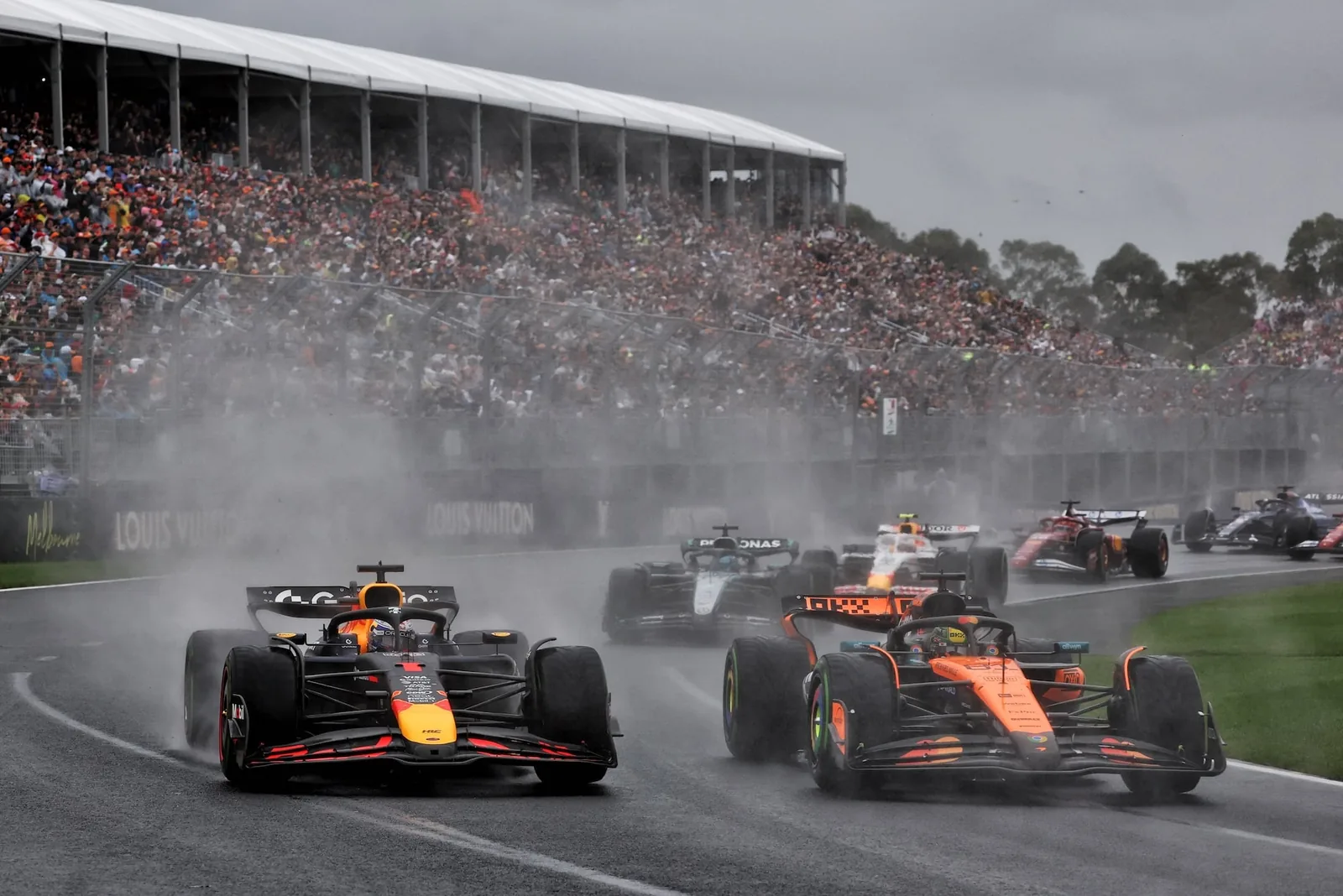
New generation of cars, expanded electrification and Brazil keeping an eye on Bortoleto
Formula 1 is officially back. But the Australian Grand Prix, which opens the 2026 season this weekend in Melbourne, represents much more than the start of a new championship. It marks the beginning of the greatest technical transformation in the modern history of the category, a structural change that redefines how cars are designed, how they are driven, and how races will be contested throughout the year.
Read more F1 today: Bahrain on alert, Globo in 4K and Leclerc’s wedding
For the Brazilian public, the season begins as early as Thursday, at 22:30 (Brasília time), with the first free practice at Albert Park. It is the first real contact with the cars of the new era in a racing environment. After pre-season testing that already highlighted reliability challenges, driver criticism, and a significant change in driving dynamics, Formula 1 finally leaves the laboratory and hits the track for real.
The 2026 revolution is profound. The new power units will operate with a 50/50 split between combustion and electrification, drastically increasing the importance of energy management. Active aerodynamics comes into play with distinct straight-line and cornering modes, altering the profile of the front and rear wings according to the section of the track. The old DRS ceases to exist, replaced by an extra electric power system, which transforms overtaking into a strategic exercise of regeneration and timing.
It’s not just about lighter or more efficient cars. It’s about a new logic of competition. Engineering now requires different setup decisions, drivers need to adapt their style to an unprecedented power delivery, and energy management stops being a complement to become a central element of the contest.
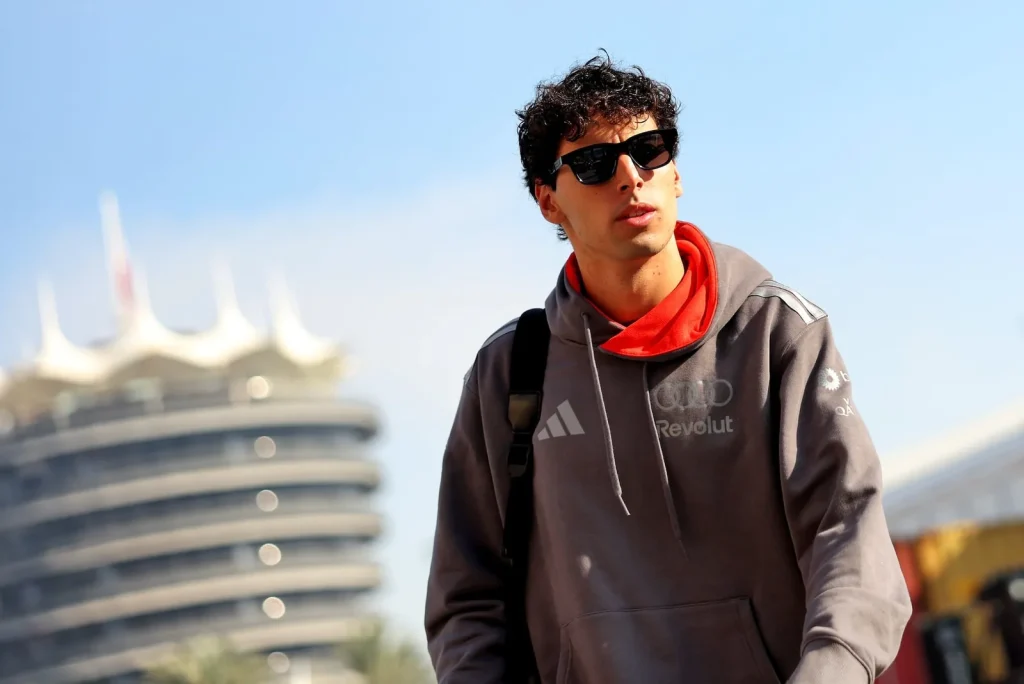
For Brazil, the season begins with a special chapter. Gabriel Bortoleto enters his second year in Formula 1 after a solid debut season in 2025 with Sauber. The first year was marked by intense learning, adaptation to the category’s processes, and consistent evolution throughout the calendar. 2026, however, represents a leap in dimension.
Sauber officially gives way to Audi as a manufacturer. The German automaker debuts its factory operation in Formula 1, inaugurating a new phase within the project. And this places Bortoleto at the center of a historic moment: he becomes a regular driver for a factory team that enters the category with long-term ambition and a winning tradition in motorsport.
For Bortoleto, therefore, 2026 is not just his second year in F1. It is the year in which he stops being the rookie in adaptation and becomes part of the foundation of a program that is born with its own identity. In a season with a reset regulation, where everyone starts from the same point, this factor could be decisive.
The impact of the new phase also tends to be amplified in Brazil by the return of TV Globo as the official broadcaster of Formula 1. The group has already signaled a more robust coverage, with a prominent presence of the championship in its sports programming. Last Sunday, March 1, Esporte Espetacular dedicated significant minutes to Bortoleto, anticipating what could be a repositioning of the category in the national audience.
Historically, Australia has always had a symbolic role as the season opener. This time, the symbolism is even greater. It is the beginning of a different Formula 1, more complex, more strategic, and possibly more unpredictable.
The start will be in the early hours of Sunday, 1 AM. But the new era begins as early as Thursday night, when the 2026 cars hit the track for the first time for real.
Read more Giassi talks about a «real fight» to win Porsche Cup race 2
And from then on, nothing will be exactly as before.