







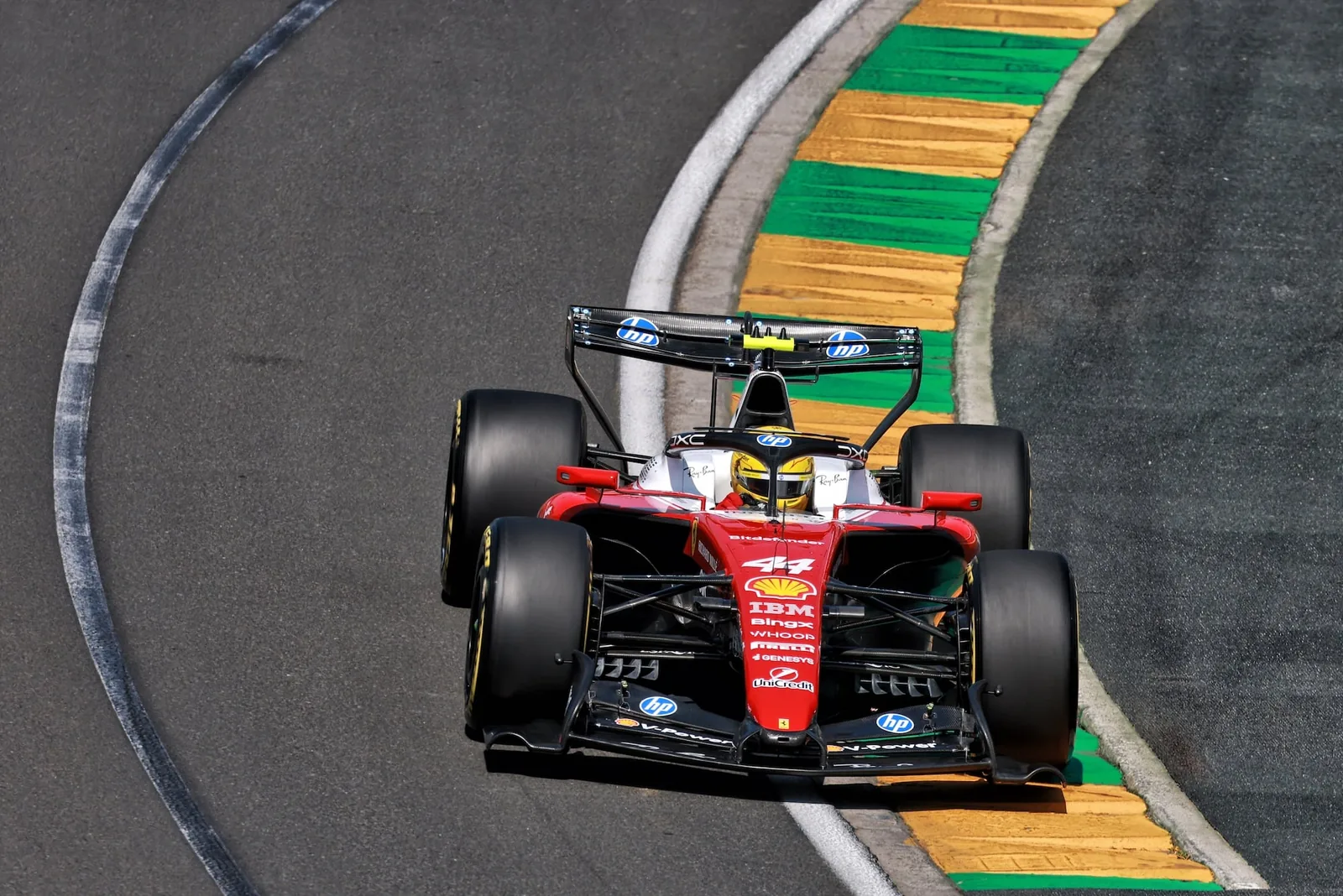
The discussion about the new technical requirements of Formula 1 is a central point of discussions in 2026, especially due to the increased dependence on energy management during laps. Among the most talked-about strategies is lift and coast (LiCo), which has taken on an even more central role within this new scenario.
Read more F1: Domenicali Interview Has Opposite Effect and Increases Criticism
Who downplayed any strangeness regarding the practice was Lewis Hamilton. For him, despite the changes in the technical context, the instructions received from the engineers are nothing out of the ordinary. “I don’t find it strange at all, it’s just different,” said the seven-time world champion. “I think lift and coast is something we have done in the past, but most of the time it was to save fuel or tires,” he said, recalling the traditional use of the technique.
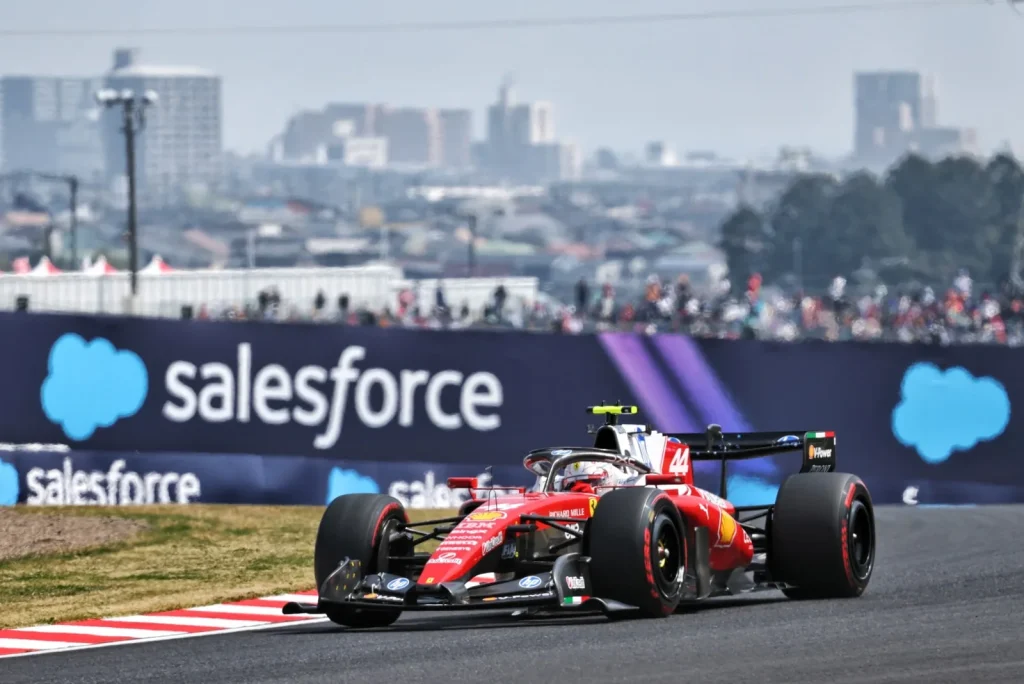
The difference, according to the British Ferrari driver, lies in the current objective, which becomes more strategic with the new rules. In 2026, the power split of the cars will be equal between internal combustion engine and electric energy, with 50% for each side — a significant change compared to the previous model, which had about 80% combustion and 20% electric.
Read more F1: Ex-Mercedes highlights Hamilton’s stance after Abu Dhabi 2021
This new balance makes methods like lift and coast and the so-called super-clipping gain importance in energy recovery and optimization throughout the laps. For Hamilton, this directly changes the way drivers approach different circuits. “Now it’s to optimize your energy during the lap, so, from track to track, it will be different,” he explained.
The driver also highlighted that even classic motorsport situations, such as qualifying laps, now require a different approach. “So, it’s not necessarily strange. It’s just that, in a qualifying lap, you want to be at full power all the time until the braking zone [of a corner], but that’s no longer the case today,” he concluded.
Read more F1: Bearman brings health update after accident in Japan