








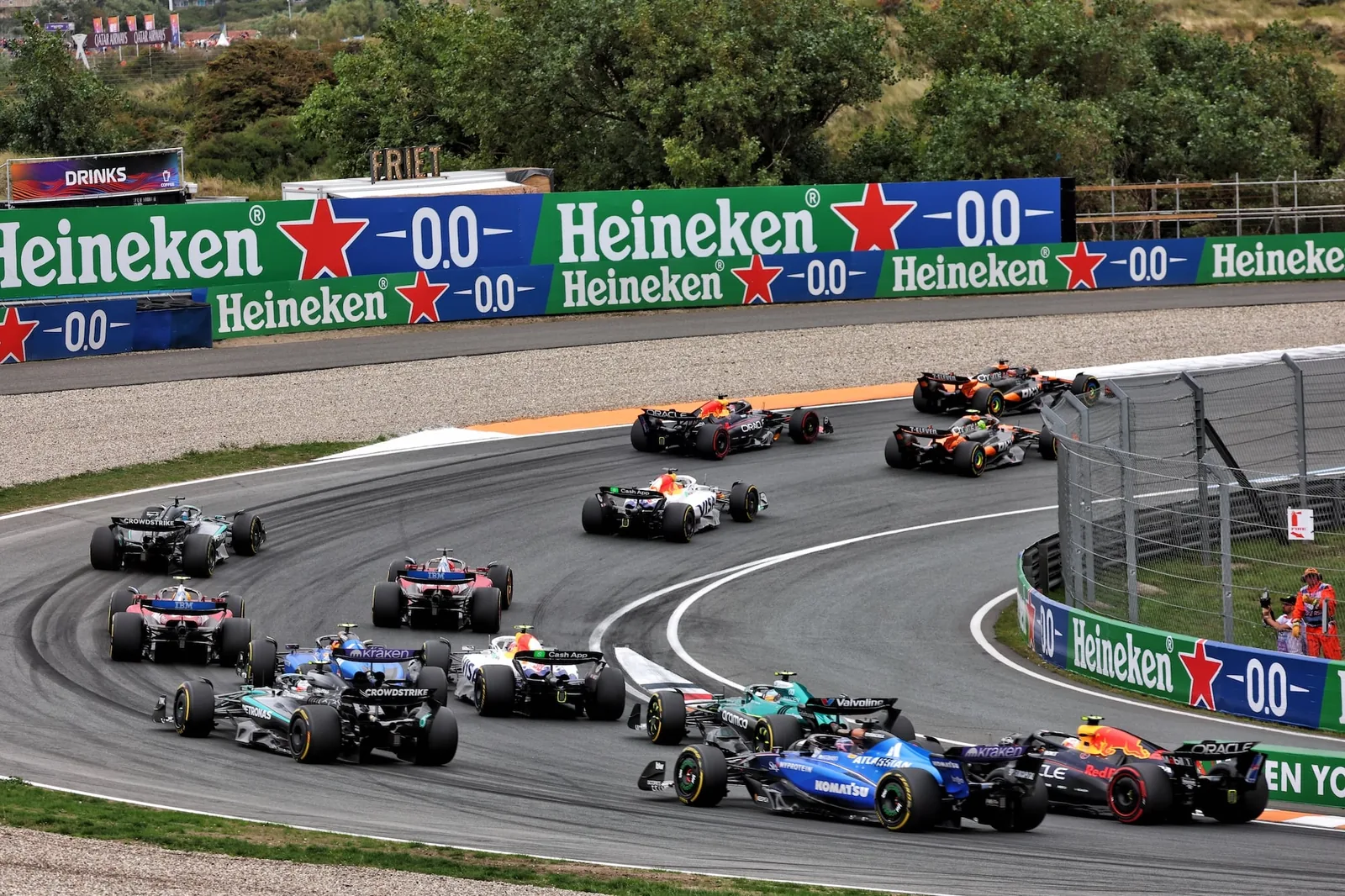
The 2026 Formula 1 season brings some new features for drivers, and among them is ‘corner mode’, a tool that promises to assist drivers in corners, improving aerodynamic efficiency and car performance during GPs. But what exactly does this term mean and how does it impact car performance?
Read more F1: Pit lane speed limit reduced for Australian GP
With the introduction of active aerodynamics, the new cars now have front and rear wings capable of moving, adjusting aerodynamic load and allowing cars to reach higher top speeds. In ‘straight mode’, the rear wing works similarly to the old DRS, with a slot that opens when the driver enters the zones dedicated to this mode. Meanwhile, the front wing has elements that lower to reduce drag and increase straight-line speed.
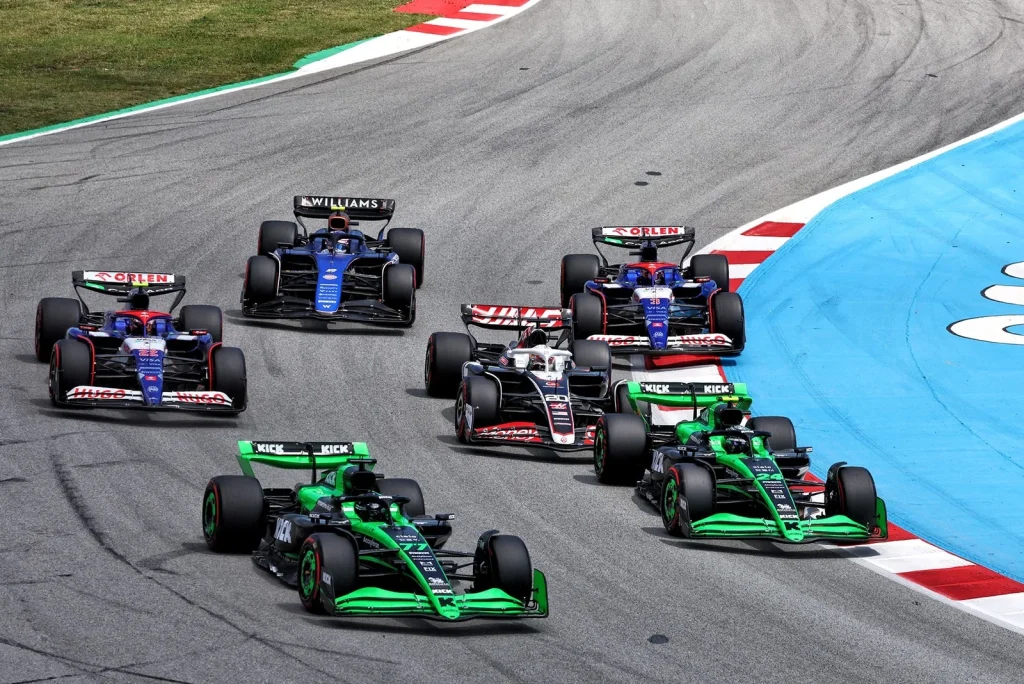
On the other hand, ‘corner mode’ is the mode activated in corners. When drivers enter a corner section, the front and rear wings close, restoring the car’s full aerodynamic load. This adjustment allows the car to behave in a more stable and efficient manner in corners, before reaching the next ‘straight mode’ activation zone.
Read more F1: Alpine drivers talk about expectations for the Australian GP
Therefore, ‘corner mode’ and ‘straight mode’ work in a complementary way, adjusting the car’s aerodynamics according to the needs of each section of the circuit. With this innovation, it is expected that cars will become even more adaptable to the demands of different types of tracks.
Read more Bassani advances seven positions and finishes in the top 10 in the Porsche Cup at Interlagos