

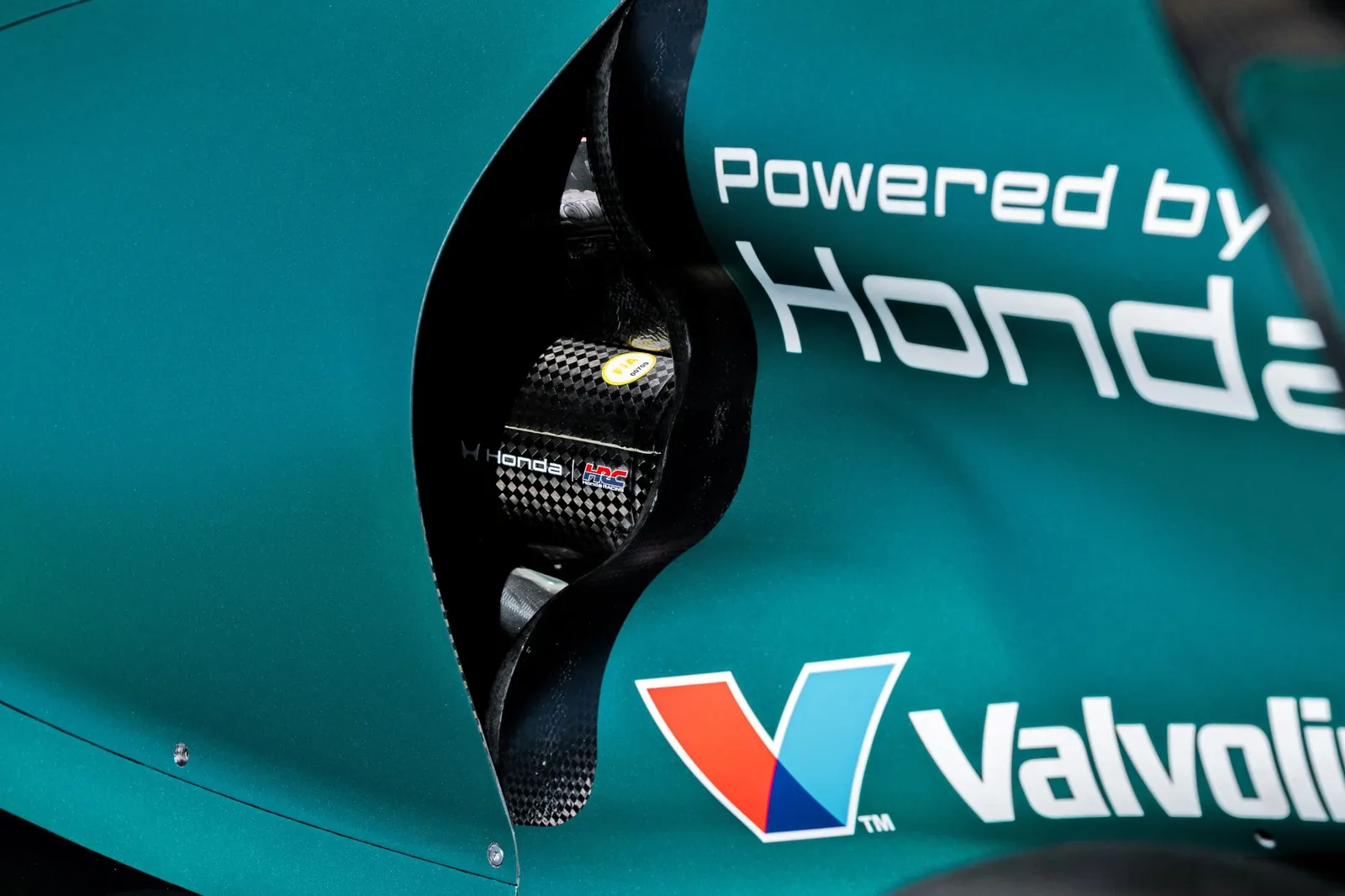
Honda is preparing a change in the leadership of its power unit project in Formula 1. Starting October 1st, Yoichiro Fukao will be the new “project leader,” replacing Tetsushi Kakuda, who oversaw the development of the engine that led Max Verstappen to four consecutive titles with Red Bull.
Read more F1: Wolff jokes that Antonelli is «too calm» after victory in Madrid
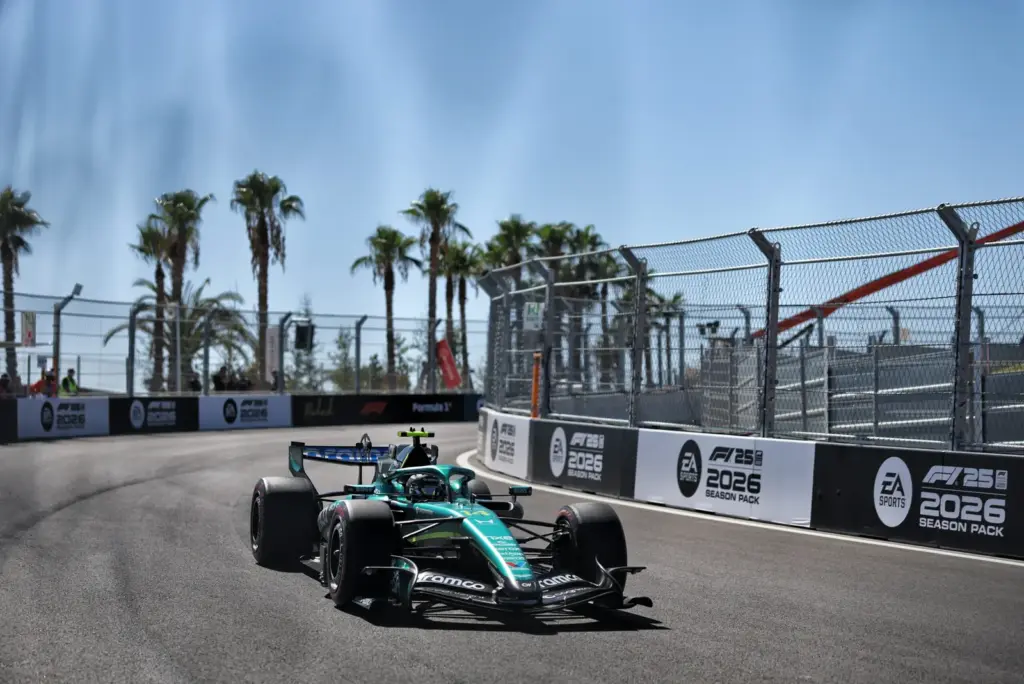
The change comes in a difficult season for Honda and Aston Martin. After 14 rounds, the team is in last place in the constructors’ championship, with only three points, all from Fernando Alonso. The Spaniard is 19th among the drivers, with a ninth place in the Netherlands as his best result, while Lance Stroll has yet to score.

According to Honda, the change is part of a planned succession to transfer technical knowledge to the next generation of engineers and prepare the development structure for the regulatory changes expected from 2027.
Fukao was already the deputy project leader for F1 and led the software division. He joined the program in 2002, working with engine and gearbox control systems, went through MotoGP and hybrid development for mass production, and returned to F1 in 2014.
Read more F1: Ferrari tries to explain brake failure that ended Hamilton’s race
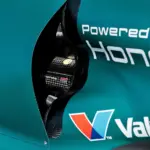
The moment is also marked by problems faced by the RA626H engine. Strong vibrations appeared from the start of the season and even raised concerns about possible nerve damage to the drivers. No Aston Martin finished the first three races due to reliability failures related to the Honda unit.
The “Spec 2” update, introduced in Zandvoort, solved the worst vibration problems and brought some performance gain: “We observed a step forward in terms of performance,” said Shintaro Orihara, Honda’s track general manager. “We confirmed it on the dynamometer, so that was something positive we found.”
In Hungary, Aston Martin remained about two seconds behind the pace even after a 16-element aerodynamic update on the AMR26, with changes to the floor, diffuser, front wing, sidepod intakes, and rear wing. The package was considered a chassis advancement, but the lack of competitiveness of the power unit limited the impact of the gains.
Read more F1: Norris points out injustice after VSC and questions how he lost victory in Madrid