






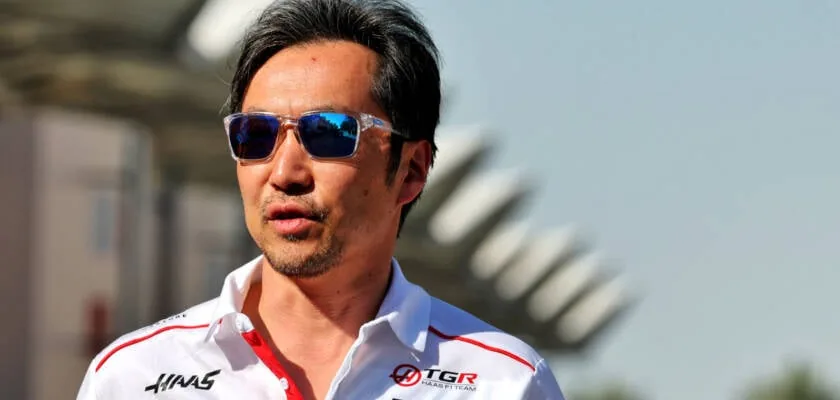
Haas has expressed concern about the direction of discussions regarding the Formula 1 regulations for 2027. The team principal, Ayao Komatsu, stated that changes to improve the races cannot compromise the financial control imposed by the budget cap.
Read more F1: Check out the provisional grid for the Sprint of the 2026 Canadian GP
The debate gained momentum after the problems observed at the start of the category’s new technical era in 2026. The heavy reliance on electric power in the new power units forced drivers to adopt unusual driving techniques to recharge the batteries during laps, as well as raising safety concerns due to the speed difference between cars on the straights.
After minor adjustments made to the use of electric power for the Miami GP weekend, category officials continue to discuss broader changes for 2027. Among the possibilities being considered is a division close to 60% of the power coming from the V6 engine and 40% from the electric part, with an increase in fuel flow and a reduction in the limit of electric power usage.
Another proposal involves increasing battery capacity to prevent cars from running out of electric power so frequently. However, Komatsu warned that these changes could have significant financial impacts, as an increase in fuel flow would require new tanks and possible changes to chassis design.
“What I would like the FIA and F1 management to hear from the teams is the cost issue. It is ridiculously expensive. These power unit regulations are already extremely expensive, so making certain changes for the next regulation… If it costs an additional five or ten million for each team, it certainly is not the right direction,” said the Haas executive.
Read more NASCAR: Kyle Busch, two-time champion and category idol, dies
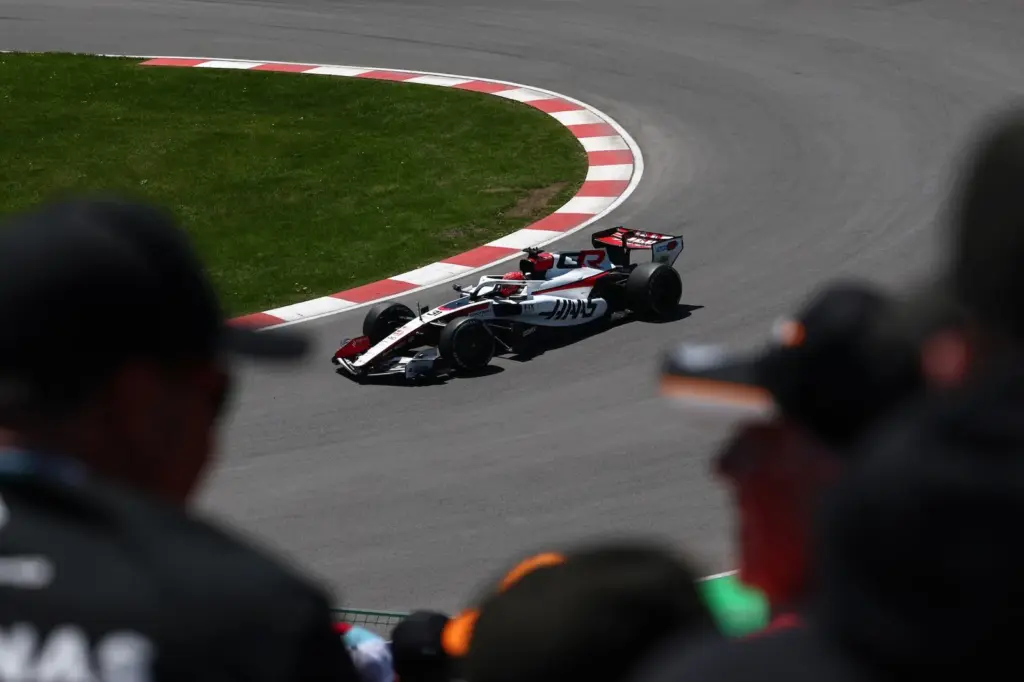
According to Komatsu, Formula 1 should actually seek the opposite path: “On the teams’ side, we need to simplify and reduce costs in all areas,” added the Japanese.
As part of the discussions, there is the possibility of a one-time increase in the budget cap to absorb possible changes in the chassis without compromising projects already underway. Still, Komatsu made it clear that he does not support the idea.
“That is the problem. I do not want to increase the budget cap. This year’s limit is already much higher. If we keep finding reasons to increase by another two million or another five million, then it ceases to be a budget cap,” he concluded.
Even with teams already working on the 2027 cars, Komatsu believes there are still viable solutions to improve the races without radical changes. According to him, minor adjustments that do not deeply alter the homologation of the power units or the size of the batteries can still be implemented without major technical and financial consequences.
Read more F1: What time and where to watch the 2026 Canadian GP practice sessions?