





The discussion about the future of Formula 1 engines has gained momentum again, after Ford declared support for the possibility of the return of V8s in the category. The American manufacturer stated that it views a change in the technical regulations in the coming years positively, even after starting its partnership with Red Bull Racing in the new era of power units in 2026.
Read more F1: Alpine wants more points in Canada after result in Miami
The topic returned to the spotlight after FIA president Mohammed Ben Sulayem recently mentioned the idea of using V8 engines powered by sustainable fuels in a future regulation. The next major technical change could happen as early as 2030, and manufacturers are beginning to position themselves on which direction the category should take.
Mark Rushbrook, head of Ford Performance, made it clear that the company is open to different technological paths within Formula 1. According to him, the brand currently works with combustion engines, hybrid systems, and fully electric vehicles, depending on the needs of each market.
“That would attract us,” Rushbrook told Autosport when commenting on the possibility of the return of V8s. “What we have seen in the way Ford approaches its vehicles, especially in recent years, is that we have fully combustion engines, hybrids of different architectures, different balances between combustion and electric, as well as fully electric cars.”
The executive also highlighted that the manufacturer needs to maintain a broad portfolio of technologies to serve different regions of the world: “We need to be prepared to offer this in different global markets, so we have a complete portfolio of these technologies,” said the American automaker’s executive.
Read more F1: Lance Stroll points out reason to continue in Formula 1
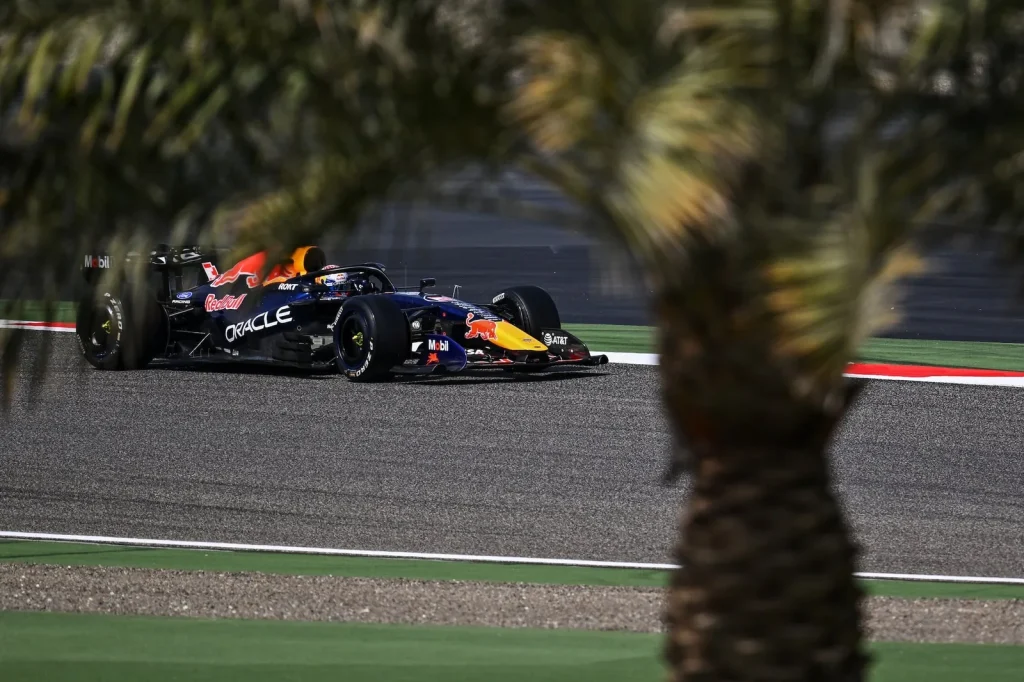
Ford entered F1 in partnership with Red Bull Racing, through Red Bull Powertrains-Ford, to collaborate mainly on the development of the power unit battery. Initially, the company planned to reduce the production of cars powered exclusively by combustion, but the change in this strategy ended up expanding the possibilities for the brand’s future in motorsport.
Rushbrook stated that this technological flexibility allows Ford to continue using Formula 1 as a development platform: “This gives us many alternatives while we compete in different categories, including Formula 1. We can still make racing relevant to what we design, develop, and sell to our customers,” he added.
The executive also emphasized that the brand sees value both in V8 engines and electrification: “We love the idea of the V8 because we sell many V8 engines. We also like the electrified element because we have many hybrid vehicles. Whether a 50-50, 60-40, or 90-10 split between combustion and electric, we will continue learning about this integration. We are very open to it, also to help racing on the tracks,” he concluded.
Read more F1: Binotto points to Audi’s worrying deficit in 2026