








The FIA (International Automobile Federation) confirmed that the Formula 1 Hungarian GP will have four active aerodynamics zones this weekend at the Hungaroring in Budapest. The event will be the 11th of the 2026 season and will mark the last race before the category’s summer break.
Read more F1: Hamilton evaluates season at Ferrari and sees room for improvement
Active aerodynamics partially replaced the old DRS. The system allows drivers to open the front and rear wings on straights to reduce drag. The number of zones varies according to the characteristics of each circuit: in Spa, the FIA established five areas, the highest number since the opening round in Australia.

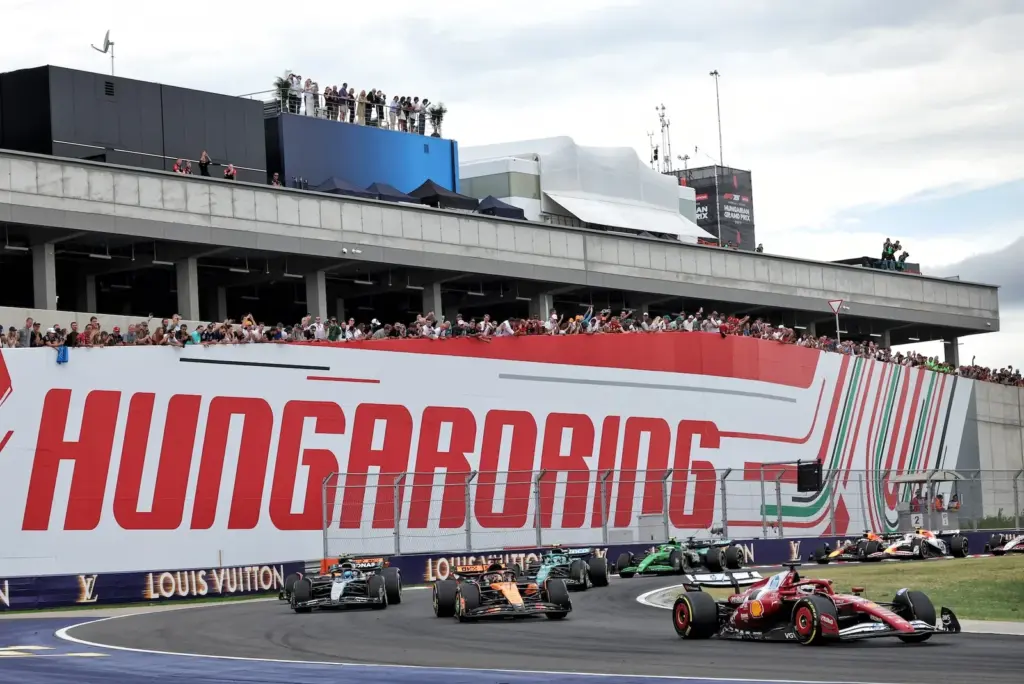
At the Hungaroring, two zones will be in the same locations where DRS previously operated: the start/finish straight and the section between turns 1 and 2. The novelties will be the activation of the SM on the climb to turn 4 and on the short straight between turns 11 and 12.
The detection point for the new overtaking mode, which provides an energy boost to the driver who is less than one second behind the car ahead, will be at the entry of the last corner, while activation will occur at the exit.
Read more F1: Verstappen remains mysterious about his future at Red Bull
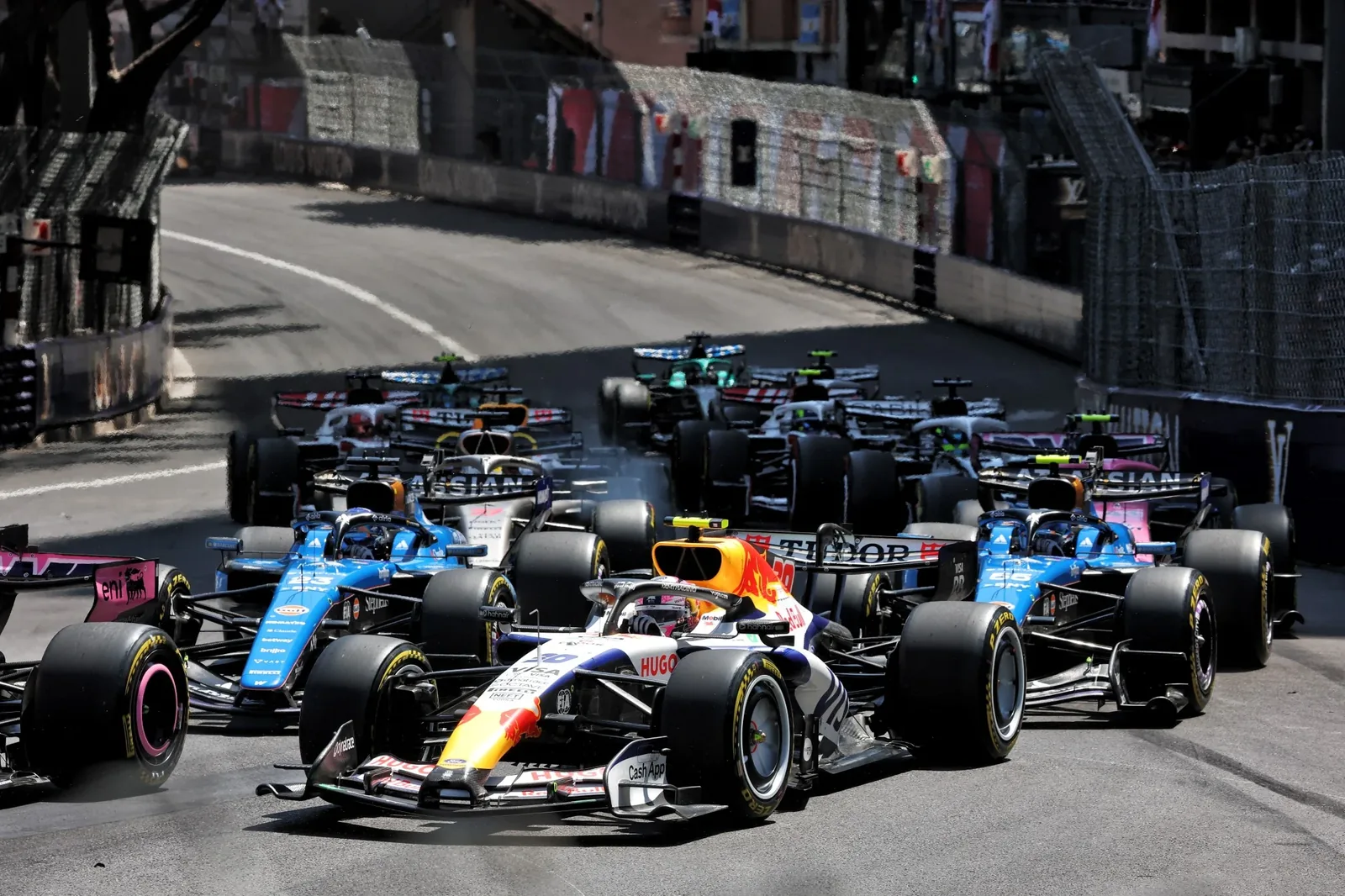
Active aerodynamics was banned at the Monaco GP due to the narrow and winding layout of the street circuit. The system has also been a challenge for Red Bull, which faced problems with the rear wing and pointed to a defect in the airflow re-engagement as a possible cause of Max Verstappen’s accidents in Austria and Great Britain.
In Belgium, the Milton Keynes team returned to using its previous specification rear wing. Technical director Pierre Waché confirmed that the problem has been corrected and indicated that the so-called “Macarena” rear wing may return in Hungary, although it is not yet defined whether it will be used in qualifying and the race.
Read more F1: Alonso explains differences between Aston Martin drivers and engineers