

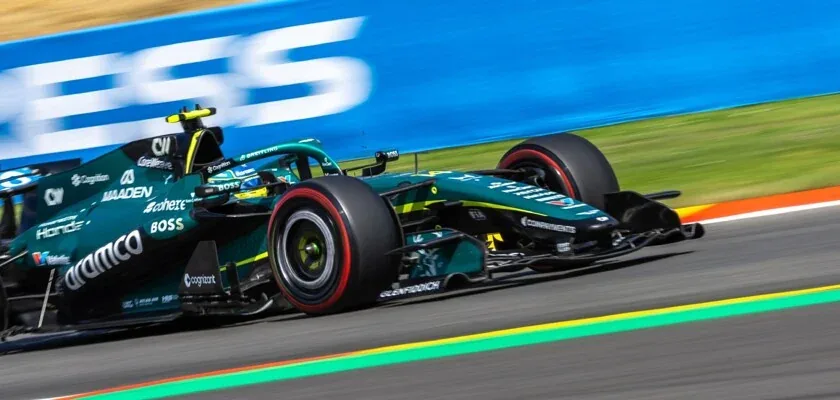
Fernando Alonso defended changes in the algorithms that control energy use in Formula 1 cars in 2026. The Aston Martin driver stated that the current rules need adjustments to improve the operation of the new generation of power units.
Read more F1: Schedule and where to watch the 2026 Dutch GP
With this year’s regulations, power distribution has been divided almost equally between the combustion engine and the electric part. A computer algorithm with learning capability, through Artificial Intelligence (AI), determines how the battery energy will be used throughout the lap and adapts its operation according to the commands received from the driver.

Since part of the energy usage strategy is defined by the software before the race, drivers cannot fully control the electric delivery. This feature has caused criticism among competitors, especially after the Belgian GP at Spa-Francorchamps, when Oscar Piastri stated that it was a bad way to race and criticized the influence of computers on the results.
Alonso, however, reminded that the influence of systems developed by teams is not new in the category. According to the Spaniard, resources such as traction control and different solutions for starts have already caused certain cars to have advantages, regardless of the individual driver’s performance: “Teams are always bringing performance to everything,” he said.
Read more F1: Hadjar presents helmet in tribute to his first podium for Dutch GP
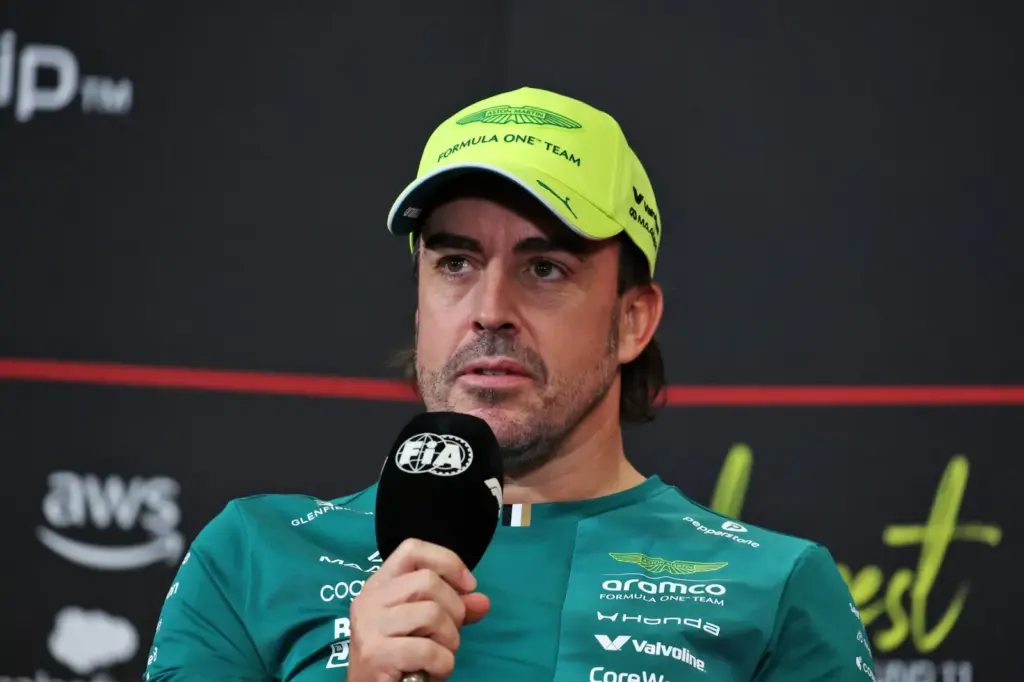
Even so, the two-time world champion acknowledged that there is a specific problem with the current use of batteries: “With these current regulations and battery usage, there is something that needs to be corrected and improved,” Alonso continued, highlighting that the category is still in the first year of the current set of rules.
The Spanish driver also sees room for changes in the coming years. Alonso mentioned the change already approved for 2027 in the ratio between combustion and electric energy and referred to discussions about a possible return of V8 engines in 2030 or 2031: “I am optimistic that, in the future, this will improve and that it will be better understood what the rules are and what the cars need,” he concluded.
Read more It’s Race Week! Dutch GP marks F1 2026 return after summer break