








Brazilian takes the R26 to Q3 and scores the first points in Audi’s Formula 1 history right at the season opener
Read more Russell wins in the debut of the new F1 and Ferrari shows it can challenge Mercedes
While Mercedes and Ferrari starred in the battle for victory at the 2026 F1 season opener at the Australian GP, another important chapter in the category’s history was beginning to be written a bit further back in the pack: Audi’s official debut as a factory team in Formula 1.
After years of preparation and the complete acquisition of Sauber, the German manufacturer finally began its journey in the championship with its own project, including a power unit developed in-house for the new technical regulations.
Audi’s arrival is part of a larger movement in Formula 1 in this new generation of cars. The category is once again attracting major manufacturers, and in addition to the German brand, the season also marks Cadillac’s entry onto the grid. In the case of the American team, however, the project is still in a transition phase: Cadillac uses Ferrari engines and only intends to introduce its own power unit starting in 2028.
Audi, on the other hand, decided to enter Formula 1 with a complete project from the start, and precisely at one of the most complex moments in the category’s technical history.
Formula 1 is perhaps the most demanding competitive environment in motorsport. Unlike other categories where Audi built its winning history, here the challenge is to face teams with decades of experience, consolidated infrastructure, and deep knowledge of the championship’s inner workings.
Therefore, the realistic expectation for Audi’s debut was always a gradual start. Even so, what was seen in Melbourne was a very encouraging beginning.
A start above expectations
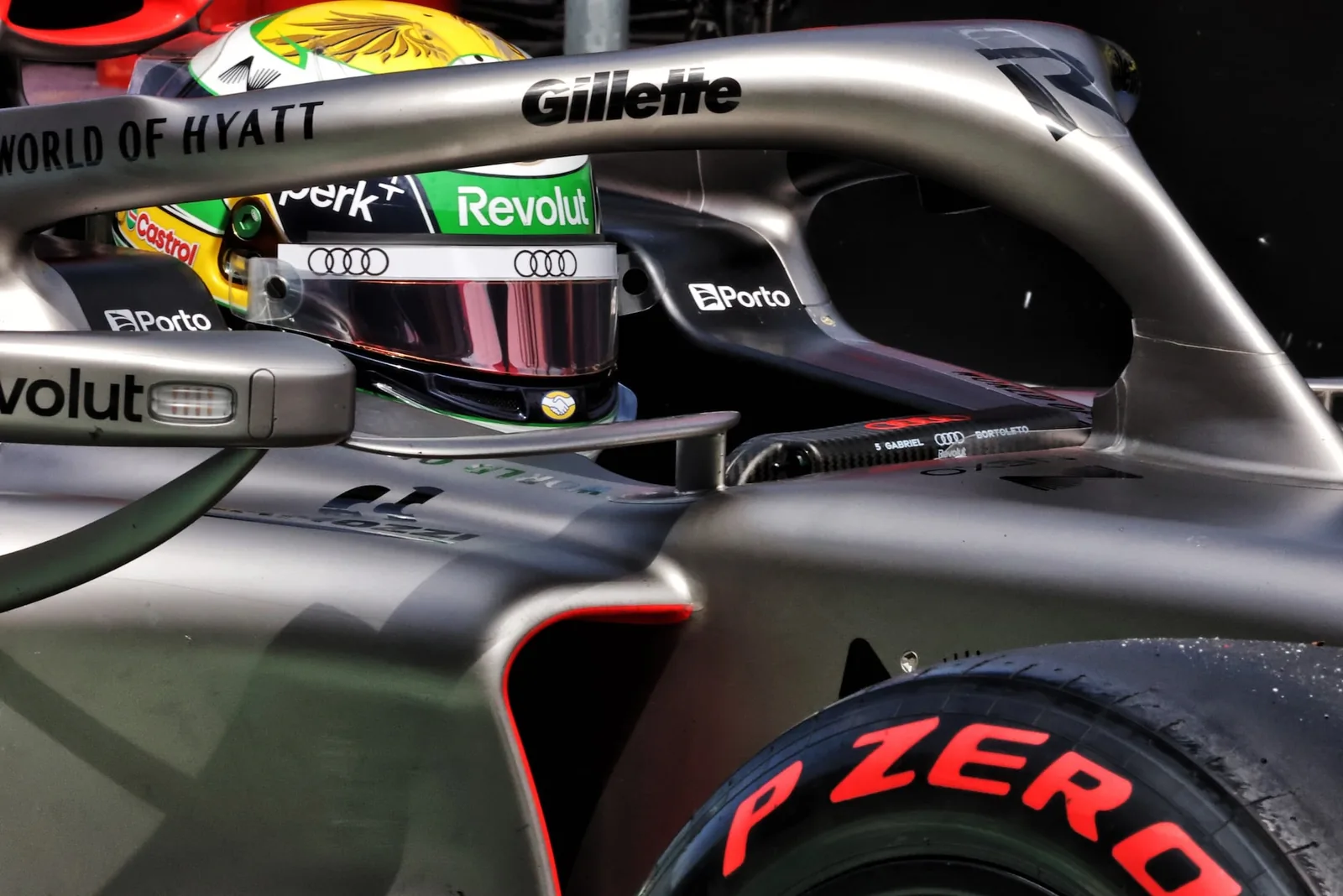
From qualifying, it was already possible to see that the Audi project had competitive potential. Gabriel Bortoleto took the R26 to Q3 in his very first Formula 1 qualifying session, securing ninth position on the grid and immediately putting the new team in the midfield battle.
At that moment, the general reading of the paddock was clear: Audi was emerging as a possible fifth or sixth force in the championship at this start of the season.
Behind Mercedes, Ferrari, McLaren, Red Bull, and Racing Bulls, but already fighting for positions with established teams like Haas and Williams.
Bortoleto himself suggested after qualifying that the car had the potential to go even further. According to the Brazilian, there was room to compete directly with the Racing Bulls, which would indicate even a possible eighth position on the grid.
But Saturday also brought the first sign that Audi’s start in Formula 1 would not be entirely free of difficulties.
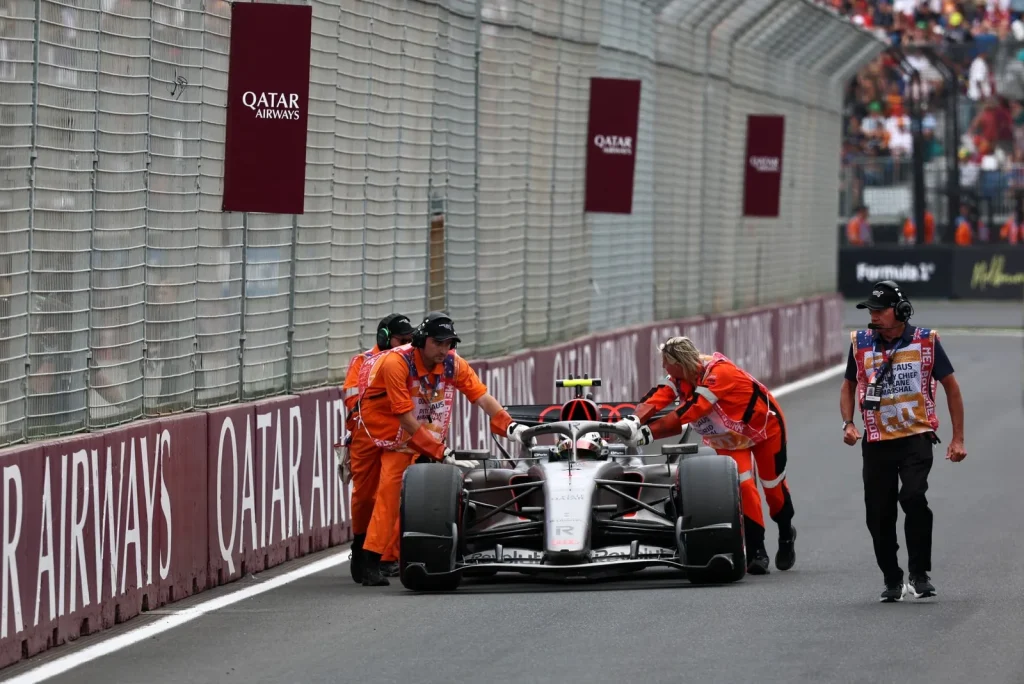
After securing a spot in Q3, Bortoleto faced a technical problem and ended up stopping just before the pit lane entrance. The car simply shut down, preventing the Brazilian from effectively participating in the final part of the session.
Even so, the presence in Q3 already represented an important milestone for the new project.
Read more F1: Verstappen compares midfield battle to “Mario Kart”
A solid race and the first points
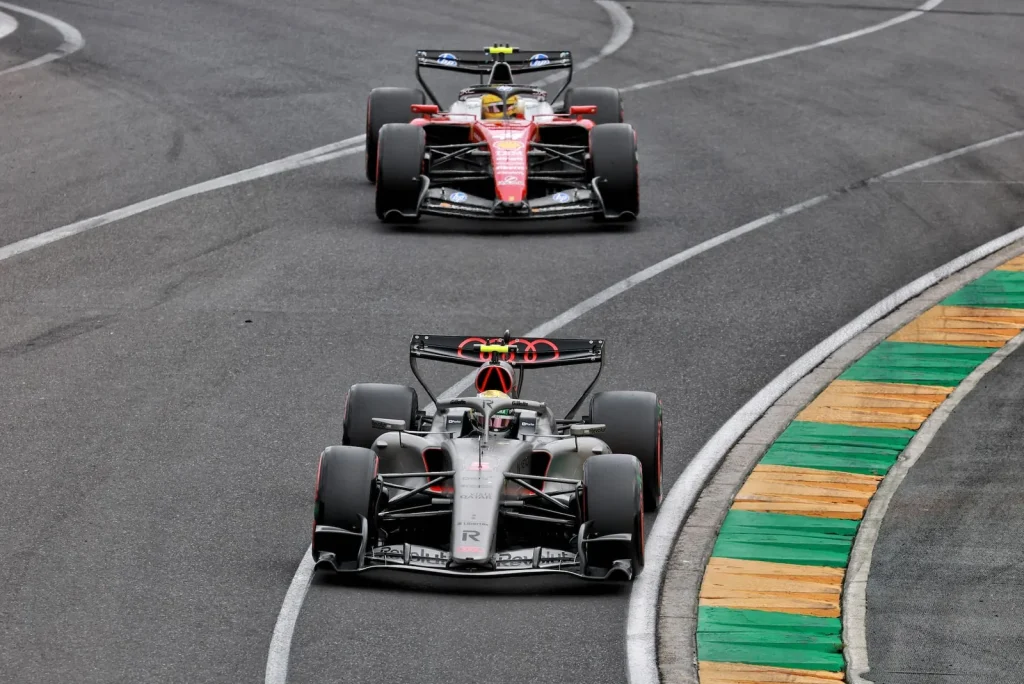
On Sunday, Audi’s debut gained even more weight with the race performance. Bortoleto started in the top ten and remained competitive throughout the race, fighting for positions directly with cars from more experienced teams on the grid.
The race had intense moments in the midfield, and the Brazilian made some important overtakes in the final part of the race.
In the end, the result was historic. By finishing in ninth place, Bortoleto scored the first two points in Audi’s Formula 1 history.
Not everything is rosy at Audi
In qualifying, Bortoleto couldn’t even celebrate his passage to Q3. The R26 stopped a few meters from the pit lane entrance, and the Brazilian did not participate in the pole position battle due to the problem.
On Sunday, Nico Hülkenberg faced difficulties even on the grid and ended up not starting the race, a clear reminder that new projects often have to face reliability challenges in the early stages of a technical cycle.
Even so, the overall balance of the weekend was positive.
For a team making its debut in one of the most complex regulations in Formula 1 history, leaving the first race with points and a Q3 presence can be considered a very respectable start.
An important year for Bortoleto
For Gabriel Bortoleto, the 2026 season also represents a crucial moment in his career.
More than simply seeking immediate results, the Brazilian enters Formula 1 with a clear goal: to consolidate his name as one of the great talents of the new generation of motorsport.
In an increasingly competitive grid, visibility within the paddock is fundamental. Bortoleto needs to position himself as that driver who, when an opportunity arises in a larger team, immediately appears as a natural candidate for the seat.
He has already demonstrated the talent for this in the F1 feeder series. Now, the challenge is to transform that potential into consistency within Formula 1.
Within the Audi project itself, there is also an important sporting goal: to outperform Hülkenberg throughout the season. The German is an experienced and respected driver within the paddock, and finishing ahead of him in the championship would be a strong sign of the Brazilian’s capability.
In Melbourne, at least, the first step has already been taken.
With ninth place in the race and Audi’s first points in Formula 1, Bortoleto started the new era of the category solidly and helped put the new German project in the spotlight right in the first stage of the season.
For a team arriving at the championship in one of the most challenging moments in Formula 1 history, and for a driver seeking to establish his name among the great talents on the grid, it was a start that can be described as honorable. And, perhaps more importantly, extremely promising.
Read more F1: Marko agrees with Verstappen on limitations of the new cars