






Haas driver believes Albert Park characteristics could make real evaluation of new cars difficult
Read more F1: Globoplay will have an open signal in the pre-hour for all 2026 GPs
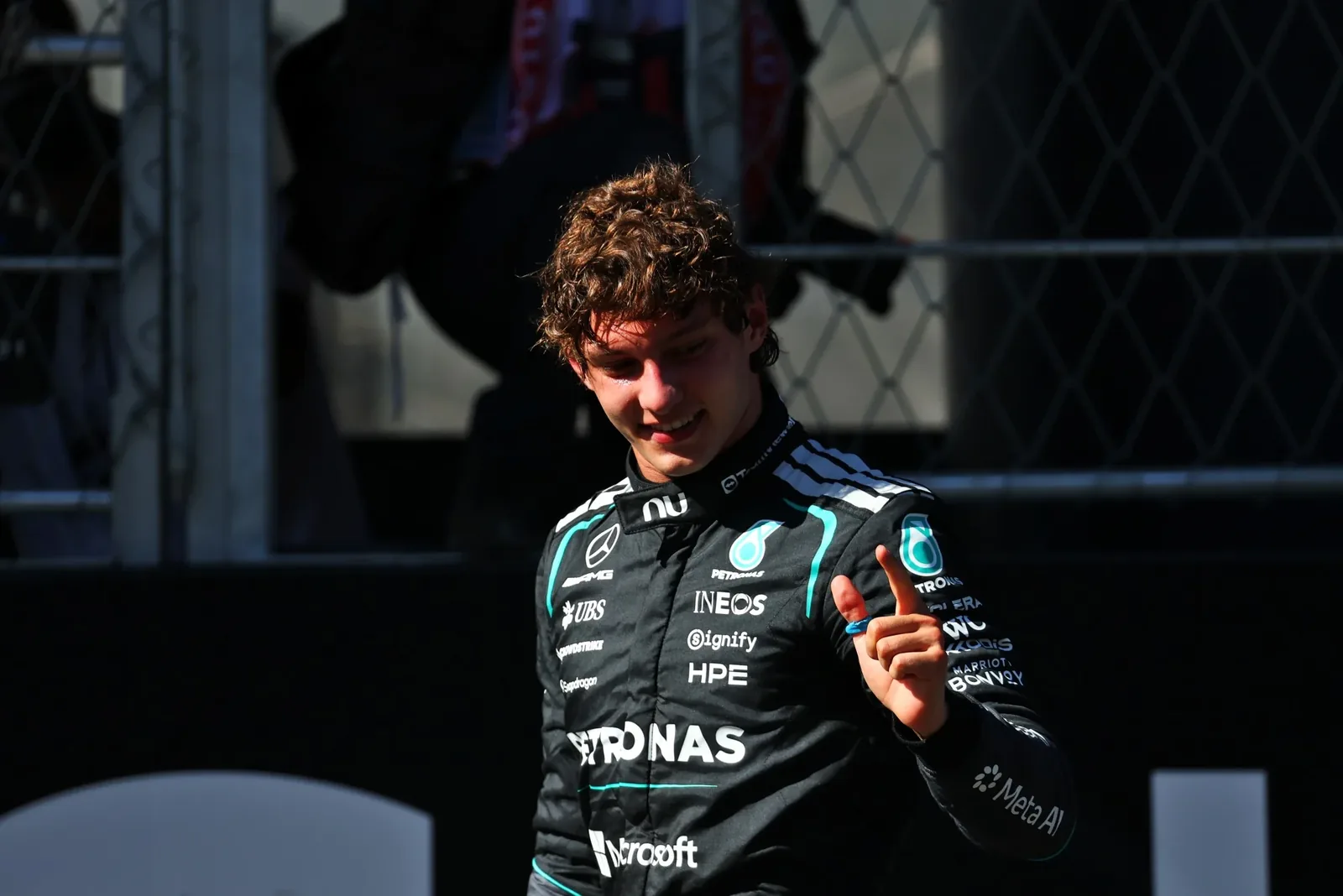
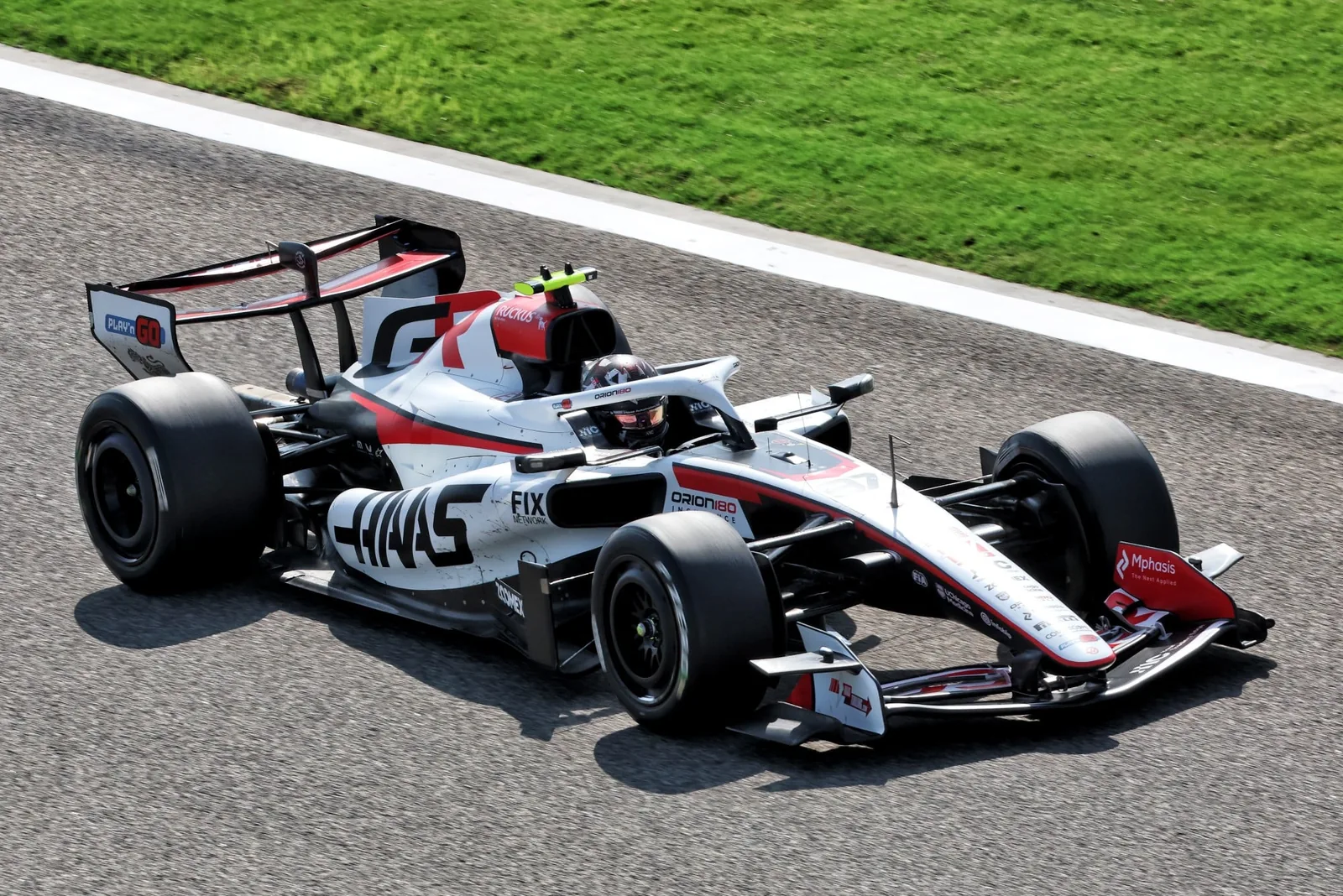
Oliver Bearman stated that the Australian Grand Prix could represent a “worst-case scenario” for evaluating the impact of Formula 1’s new technical regulations. For the Haas F1 Team driver, the characteristics of the Albert Park circuit could limit the real understanding of the cars’ performance at the debut of the category’s new era.
The 2026 season marks a profound technical transformation in Formula 1, with new power units, greater participation of electric energy, and significant aerodynamic changes. However, Bearman believes that the Australian track may not be the best place to draw initial conclusions about the behavior of the new cars.
“I don’t want to draw conclusions after Australia,” said the 20-year-old Briton. “This circuit might not be the best to start this new phase of the regulations, simply because of the nature of the track.”
According to the driver, one of the main factors is the scarcity of braking zones at Albert Park. As the new cars rely heavily on energy recovery during braking, this could limit energy management during the race.
“We don’t have much energy to manage, simply because there aren’t many braking zones,” he explained. “I think it could be the worst-case scenario for these regulations.”
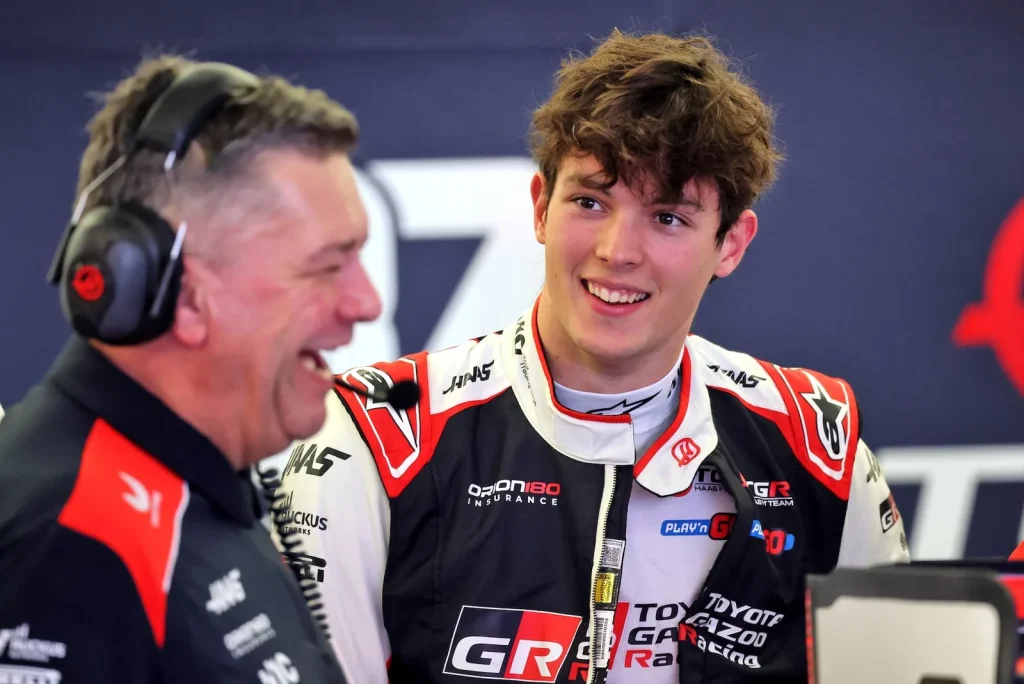
Bearman mentioned that high-speed circuits, such as the Autodromo Nazionale Monza, Red Bull Ring, and the Jeddah Corniche Circuit street layout, also present similar challenges regarding energy management.
Read more F1: Aston Martin has severe vibration and could limit laps, says Newey
Even so, the driver sees opportunities in a championship start that promises to be unpredictable. For him, the beginning of the season tends to be more chaotic while teams and drivers are still learning how to extract the maximum from the new cars.
“With chaos also come opportunities,” he stated. “It’s a long championship and, at the beginning, there are many more chances to surprise than five or six races from now, when everyone will have understood the cars better.”
Bearman also highlighted that, for Haas, strategic efficiency will be fundamental in the first races of the season.
“We don’t have energy to spare and we will probably be running further back on the grid,” he admitted. “This means we need to be very efficient in strategy and execution.”
Still, the Briton believes that the initial unpredictability could play in the team’s favor. “It’s going to be chaotic, but also a great opportunity. I’m looking forward to seeing how it all unfolds.”
Read more F1: Formula 3 and F1 Academy will not be broadcast in 2026