









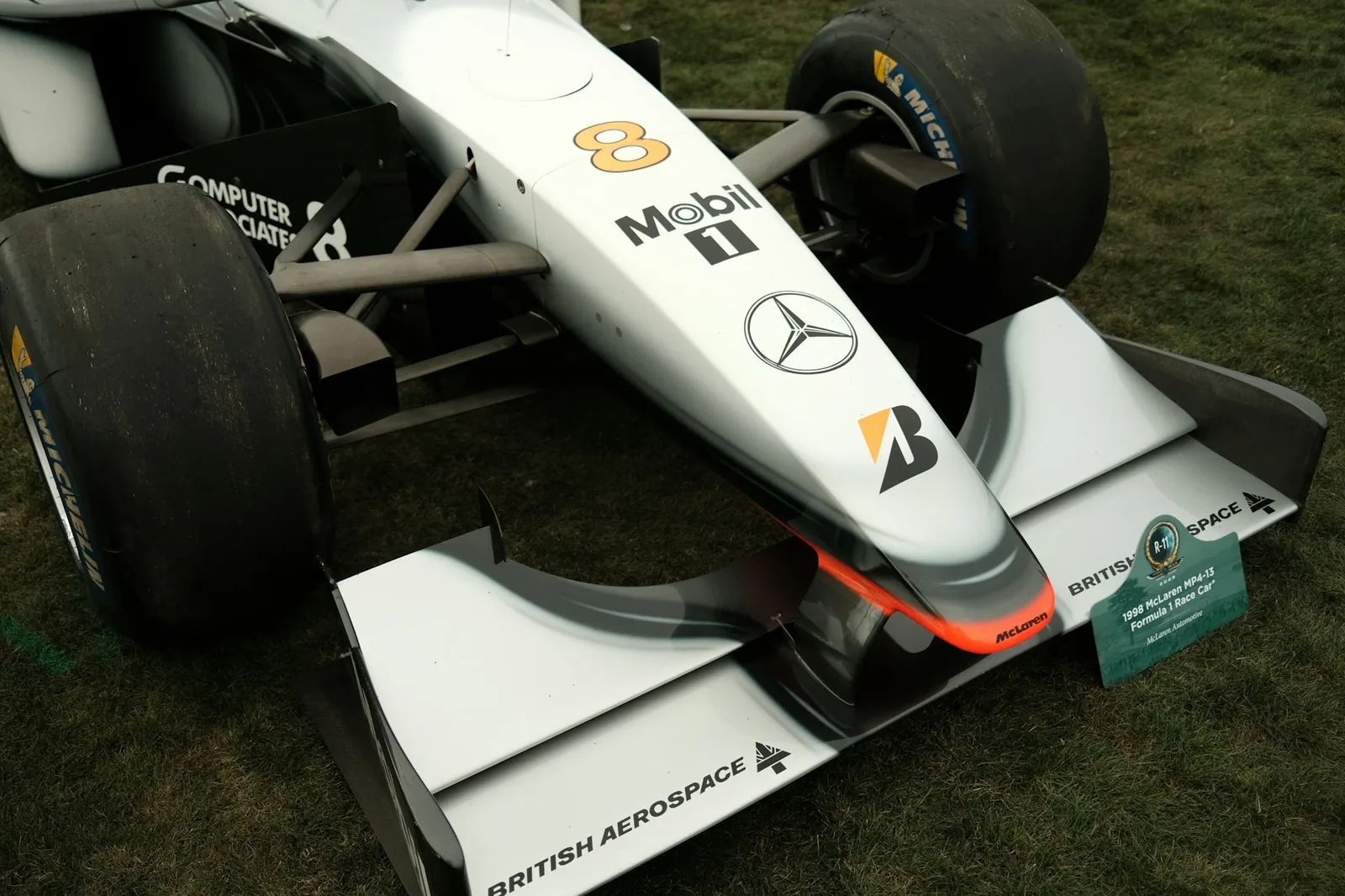
Powertrain innovation has always been a hallmark of Formula 1. Every component between the engine and the wheels is designed, tested, and developed with a single goal: to transmit power as smoothly and efficiently as possible. For most fans, what matters are lap times and podiums, but the real story happens within the drivetrain — where vibration control, torque distribution, and mechanical harmony make the difference between good and bad performance.
Read more F1: Ferrari confirms Vasseur’s absence from qualifying
The 2026 Power Unit Revolution and Why Smooth Power Delivery Is So Important
The 2026 regulatory changes have profoundly transformed how Formula 1 cars generate and deliver power. The new hybrid setup combines a V6 turbo internal combustion engine with a significantly more powerful electric MGU-K, together producing over 1,000 horsepower, split almost equally between the two. The old MGU-H has been completely eliminated, simplifying the architecture but creating new engineering challenges regarding energy recovery and torque consistency.
And what does this have to do with the world outside the paddock? Well, the fundamental problem every F1 engineer needs to solve is the same: how to transmit an enormous amount of torque through the drivetrain without causing destructive vibrations, sudden power spikes, or mechanical fatigue? In F1, the answer involves bespoke carbon fiber clutch assemblies, seamless shift gearboxes, and thousands of hours on dynamometers. In road cars, much of this work falls on a single, often underestimated component — the dual-mass flywheel.
How F1 Drivetrain Thinking Connects to Your Everyday Car
Most modern vehicles have a dual-mass flywheel installed between the engine and the gearbox. Its function is to absorb torsional vibrations generated by the internal combustion engine before they reach the transmission, protecting the gearbox from damage and maintaining a smooth ride. In practice, it reproduces on a smaller scale what an F1 drivetrain does at an extreme level — controlling the violent energy pulses that an internal combustion engine naturally produces.
When this component wears out, the symptoms are hard to ignore: vibration noises at idle, juddering in the clutch pedal, and increasingly harsh gear changes. Replacing it is not optional if you want to avoid expensive gearbox damage in the future. Just as F1 teams rely on constant preparation to stay competitive throughout an entire season, vehicle owners need to have the same proactive attitude — researching the dual-mass flywheel replacement cost before the problem worsens helps to plan ahead and avoid an emergency repair bill.
Read more F1 today? Find out how to watch the Monaco GP 2026 qualification
Why Vibration Control Is the Silent Hero of Performance
As reported by Euronews in its coverage of the 2026 technical overhaul, this generation of F1 cars boasts 300% more battery power compared to the previous era. This enormous leap in electrical generation demands that the transition between electric and combustion power be absolutely flawless. Any harshness in this transition — any spike or delay — costs lap time and accelerates the wear of drivetrain components.
Automotive engineers face a similar dilemma every day. Diesel engines, turbo gasoline engines, and mild hybrid systems produce irregular torque pulses that need to be smoothed out before reaching the gearbox. The dual-mass flywheel exists precisely for this. Without it, every gear change would be abrupt, transmission bearings would wear prematurely, and long-term reliability would be compromised.
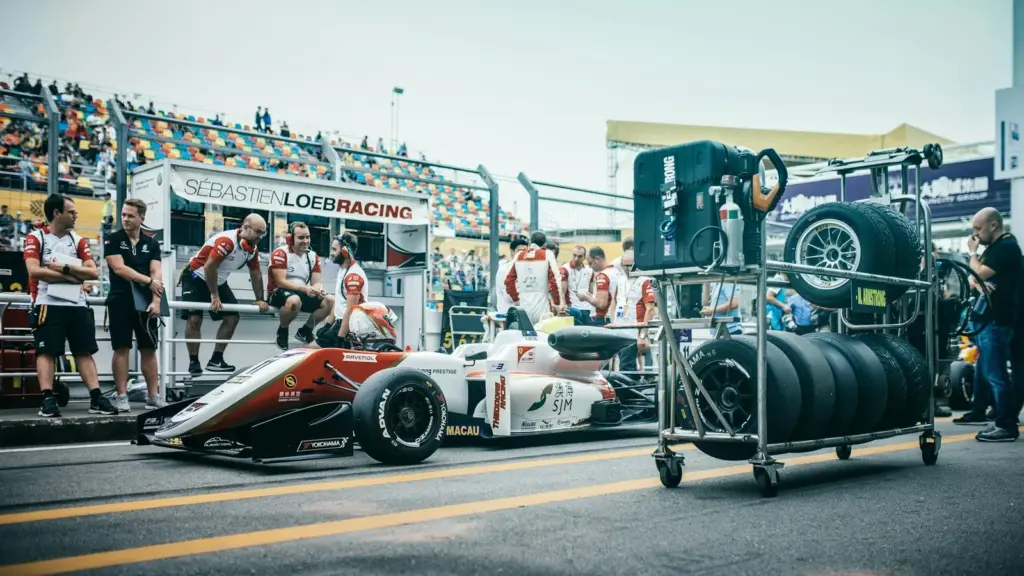
F1 Innovation Reaches Us, Even When We Don’t Realize It
Technology transfer between motorsport and road cars has always been about principles, not direct part transplants. Carbon ceramic brakes, paddle-shift gearboxes, advanced traction control systems, and energy recovery — all have made the journey from the grid to dealerships. Vibration damping and torque management are no different.
Every time an F1 team perfects how power is transmitted from the engine to the wheels, it pushes the entire automotive industry to think more deeply about the same problem. For everyday drivers, this influence translates into components that last longer, perform better, and protect the rest of the drivetrain from unnecessary stress. Paying attention to these parts — understanding when they need to be replaced and how much it costs — is the road-going equivalent of the preparation that separates a winning F1 team from one that retires on the first lap.
Read more F1: Leclerc admits difficulties at Ferrari before Monaco qualifying