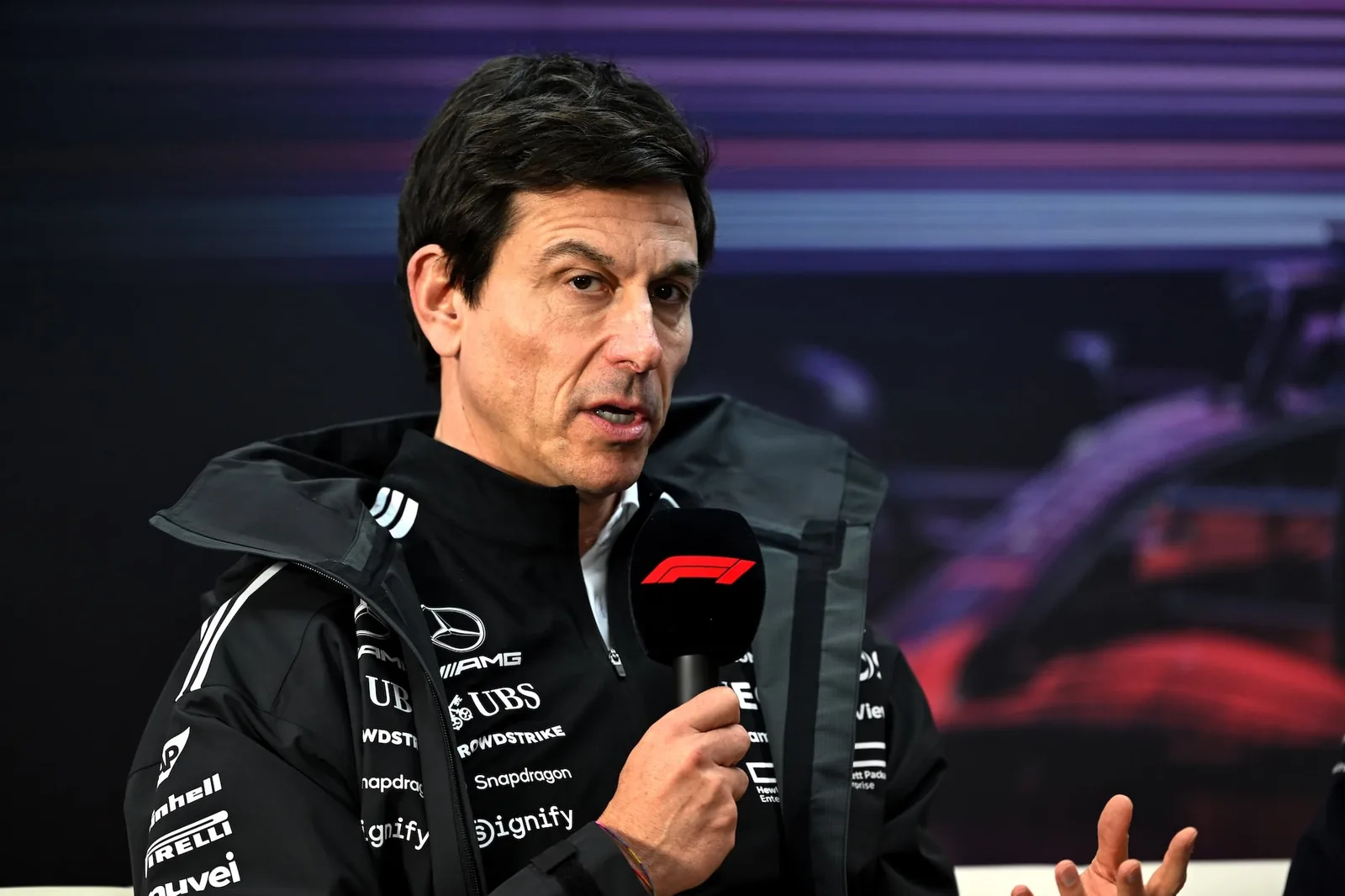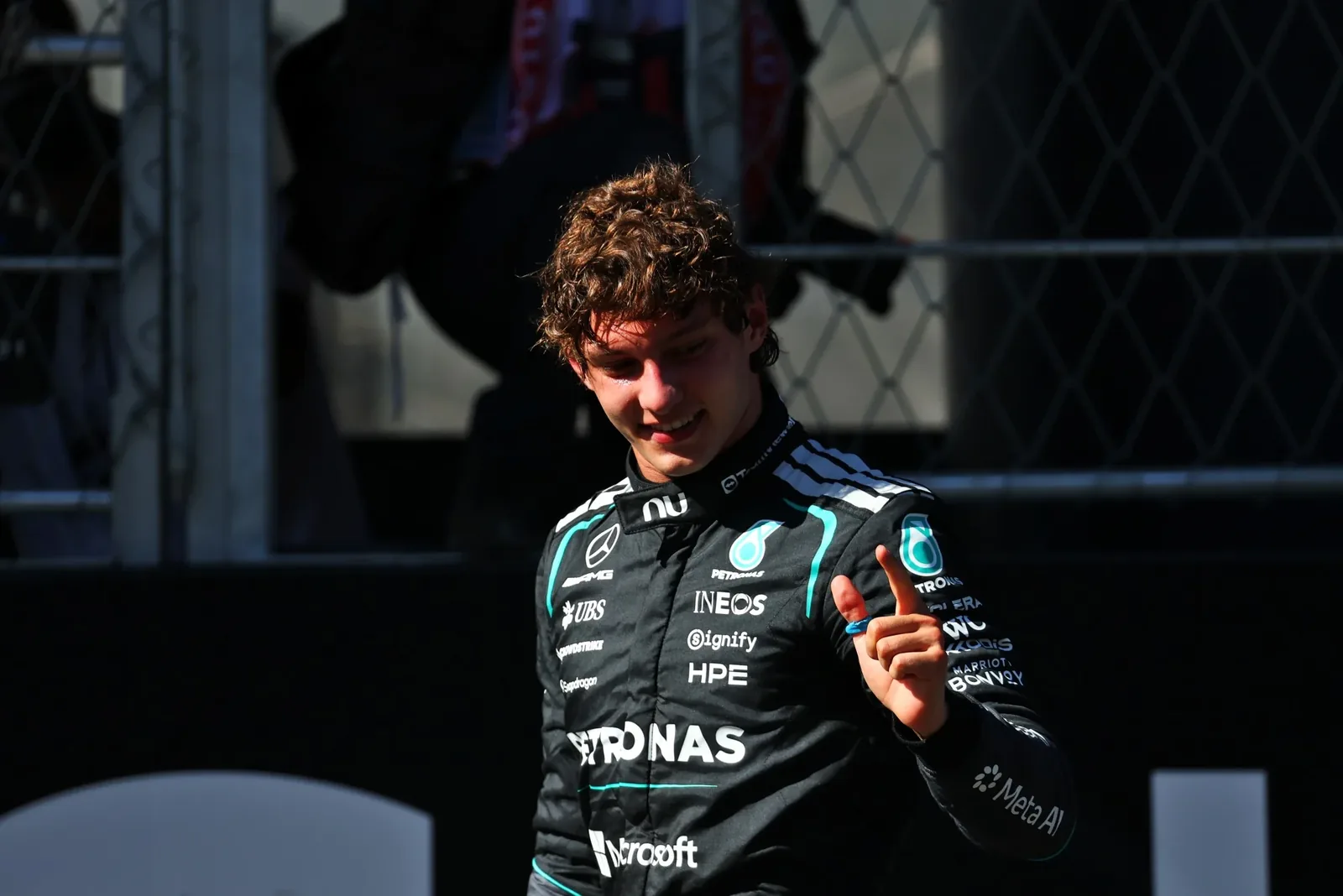









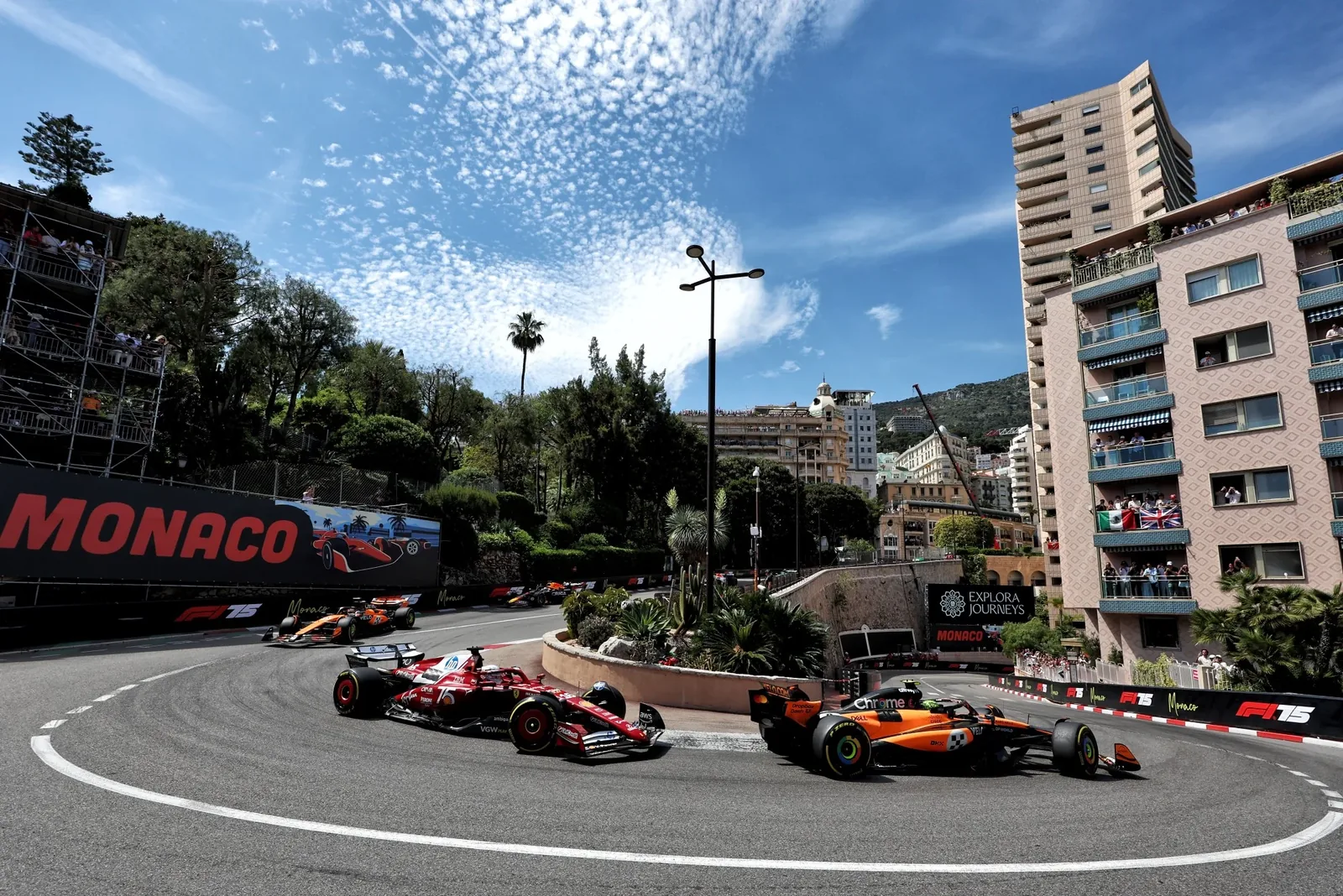
From Ayrton Senna’s record to McLaren’s 16 victories, passing through the unique characteristics of the circuit, discover the numbers that help tell the story of the Monaco GP.
Read more What F1’s Obsession With Powertrain Perfection Teaches Us About Everyday Maintenance
The Monaco Grand Prix holds a unique place in Formula 1 history. Contested on the streets of the Principality since the dawn of motorsport, the event brings together tradition, glamour, and some of the category’s most emblematic statistics.
This weekend, Formula 1 returns to Monte Carlo for the 72nd edition of the race, which continues to be considered by many drivers, teams, and fans as the most iconic race on the calendar.
Behind the circuit’s fame, there are numbers that help explain why Monaco has become one of the most important events in the sport.
72 editions in the Principality
This weekend’s race will be the 72nd edition of the Monaco GP valid for the Formula 1 World Championship.
Over the decades, the circuit has spanned different eras of the category, hosting cars with completely distinct characteristics, but preserving its essence as one of the greatest challenges on the calendar.
Few races have such a strong connection to the history of Formula 1.
78 laps, 3.337 kilometers in length, 19 corners, and no margin for error
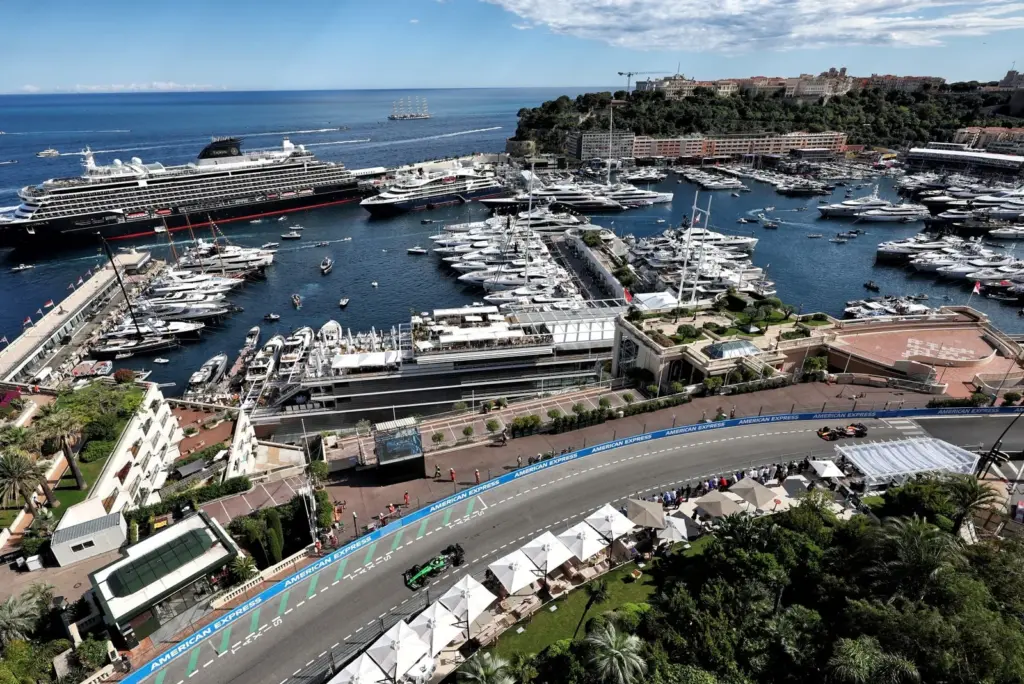
The Monte Carlo circuit is one of the shortest in the championship by distance. At just 3.337 kilometers, the track runs through narrow streets surrounded by buildings, hotels, guard rails, and the Principality’s famous marina.
Despite its short length, the lap demands absolute concentration from start to finish, with virtually no room for error.
Along the route, drivers face 19 corners with very distinct characteristics. Some of them have become world-renowned, such as Sainte Dévote, the Fairmont Hairpin, the Nouvelle Chicane, and the Swimming Pool complex.
The constant proximity of the walls transforms each corner into an exercise in precision, making Monaco one of the most demanding circuits on the calendar.
The race is contested over 78 laps, totaling just over 260 kilometers in distance. Although it is not the longest race of the season, the physical and mental demands are often higher than many larger circuits, due to the need for permanent concentration throughout the race.
Ayrton Senna remains the King of Monaco and McLaren leads among teams
No driver has won as many times in the Principality as Ayrton Senna. The Brazilian achieved six victories between 1987 and 1993, a record that remains intact more than three decades later.
Read more F1: Ferrari confirms Vasseur’s absence from qualifying
Senna is also responsible for some of the most famous performances in the circuit’s history, especially his qualifying session performances. Behind him are Graham Hill and Michael Schumacher, both with five victories.
When it comes to collective success, the lead belongs to McLaren. The British team has 16 victories in Monte Carlo, consolidating itself as the most successful team in the history of the race.
Ferrari appears right behind, with 10 triumphs, reinforcing the presence of the two most traditional Formula 1 teams among the main names of the circuit.
The slowest track in Formula 1 and the most important qualifying of the year
Despite hosting the fastest cars in the world, Monaco records some of the lowest average speeds of the season. In certain sections, drivers reduce to about 50 km/h, especially at the Fairmont Hairpin, considered the slowest corner in the entire championship.
This characteristic makes the GP a completely different challenge from the high-speed circuits on the calendar.
If there’s one statistic that helps explain Monaco, it’s related to the starting position. Historically, a significant portion of races has been won by drivers starting from the front row of the grid.
The difficulty in overtaking means that the qualifying session has an enormous weight on the final result, transforming Saturday into one of the most important moments of the entire weekend.
A circuit that stands the test of time
Over the decades, Formula 1 has undergone profound changes. Cars have grown, technology has evolved, and new races have emerged in different parts of the world.
Monaco, however, continues to preserve many of the characteristics that transformed it into a motorsport benchmark.
The numbers help tell this story. But perhaps the most impressive fact is another: even after almost a century of existence, the Monaco GP continues to be one of the most anticipated and prestigious races of the entire season.
A race that continues to challenge drivers, enchant fans, and write new chapters in the history of Formula 1.
Read more F1 today? Find out how to watch the Monaco GP 2026 qualification