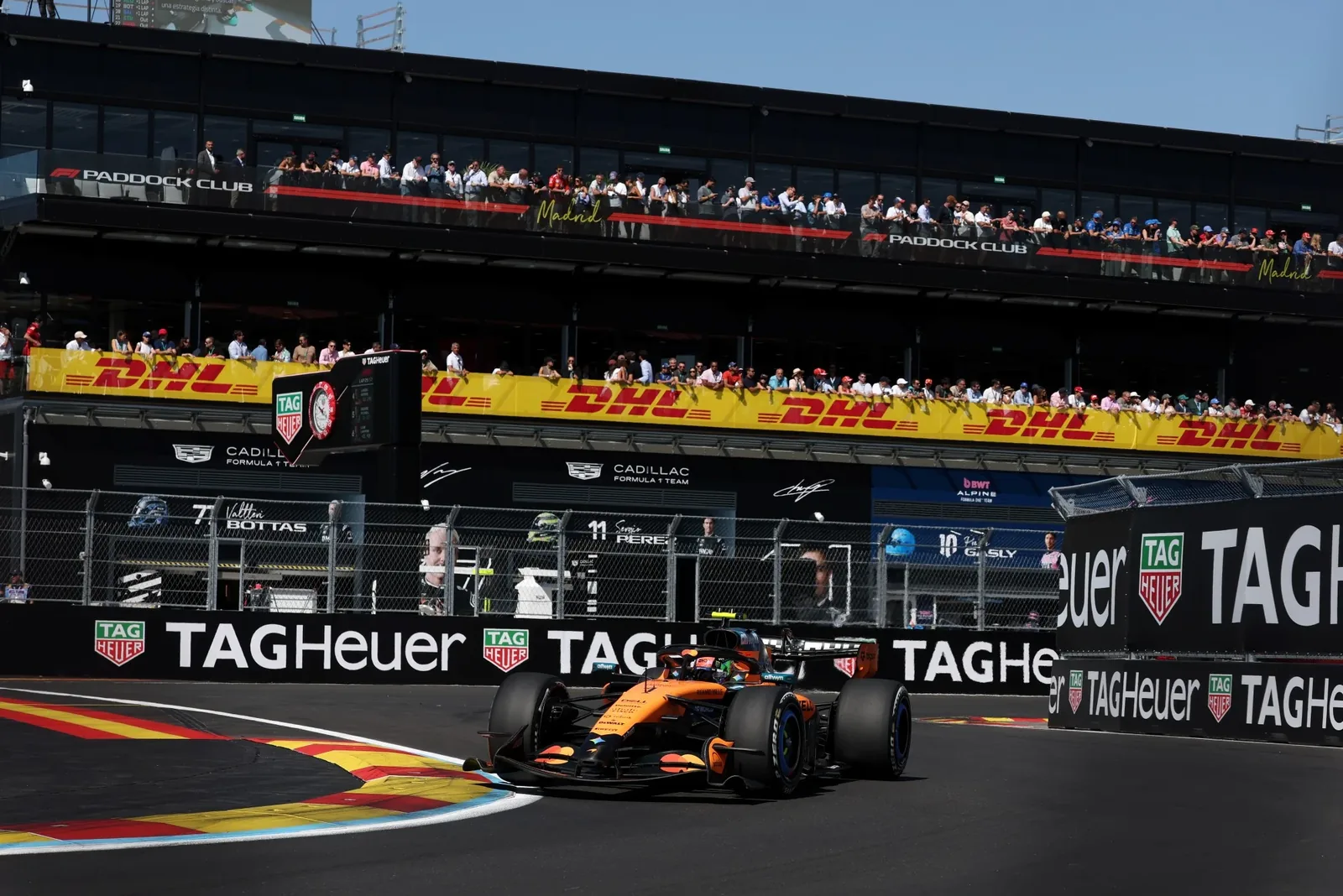

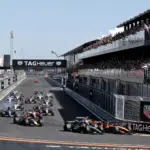
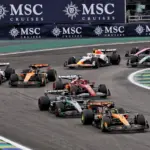
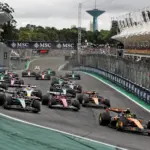

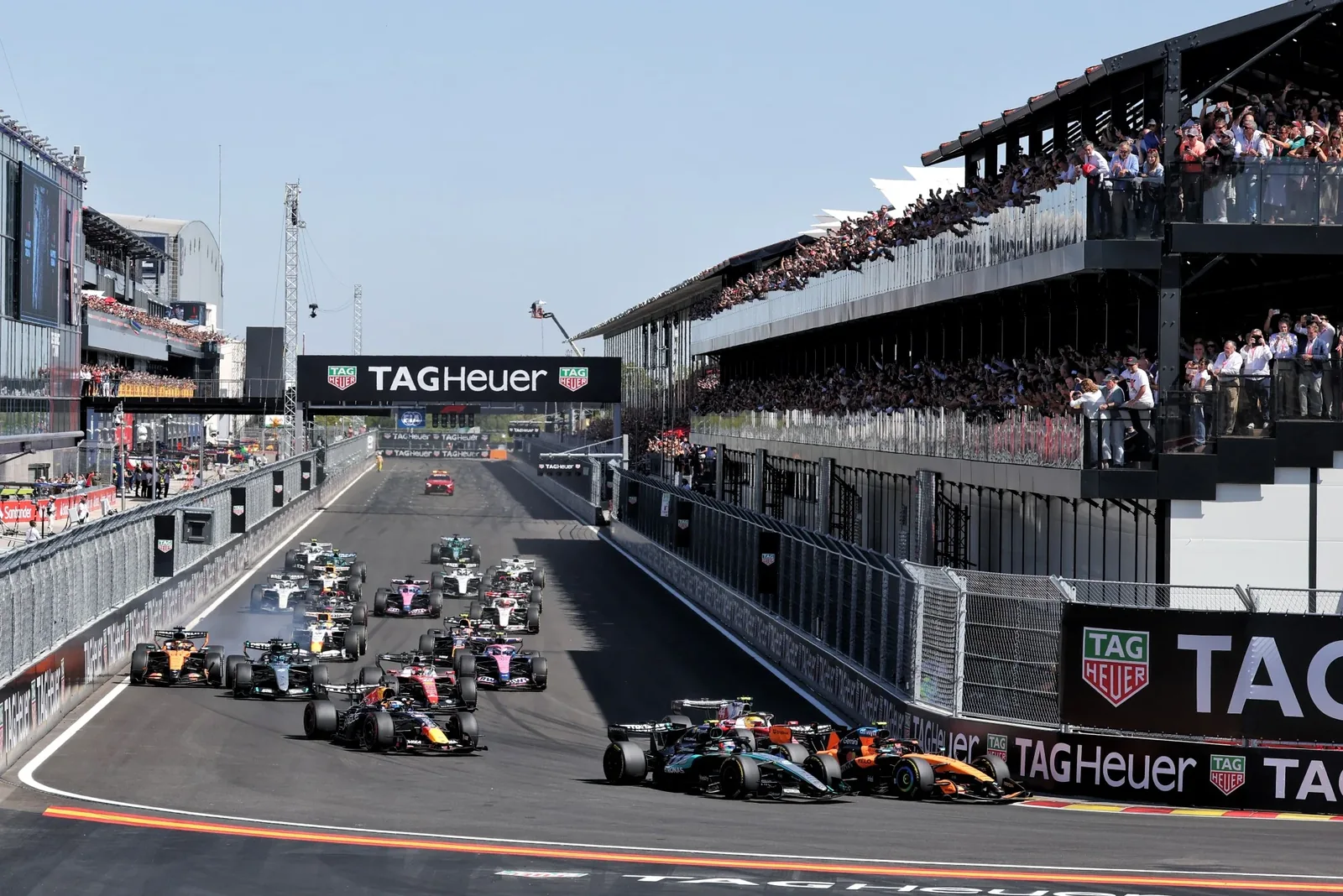
Last weekend, Formula 1 introduced its new circuit, Madring. The track joined the calendar with a ten-year contract and a promise to be exciting, risky, even tricky with its difficult corners.
Read more TCR South America Heads to the Final in Rosario
And indeed, the expectation seemed to be confirmed. In the first Formula 3 test, there were 19 red flags. A sign that the drivers would need a lot of attention, as the slightest carelessness could end many races.

Despite all the excitement, both the press and the public seemed to forget one thing: F3 is a grassroots category that usually presents many incidents on familiar tracks. There, the drivers are still “raw” and, on a new circuit with characteristics similar to Monaco, the excess of red flags does not seem so absurd.
That is why what was seen last Sunday (13) in Formula 1 ended up being a disappointment for the fans. No one expected major accidents, but at least more complicated maneuvers that would provide dynamics for the race were expected.
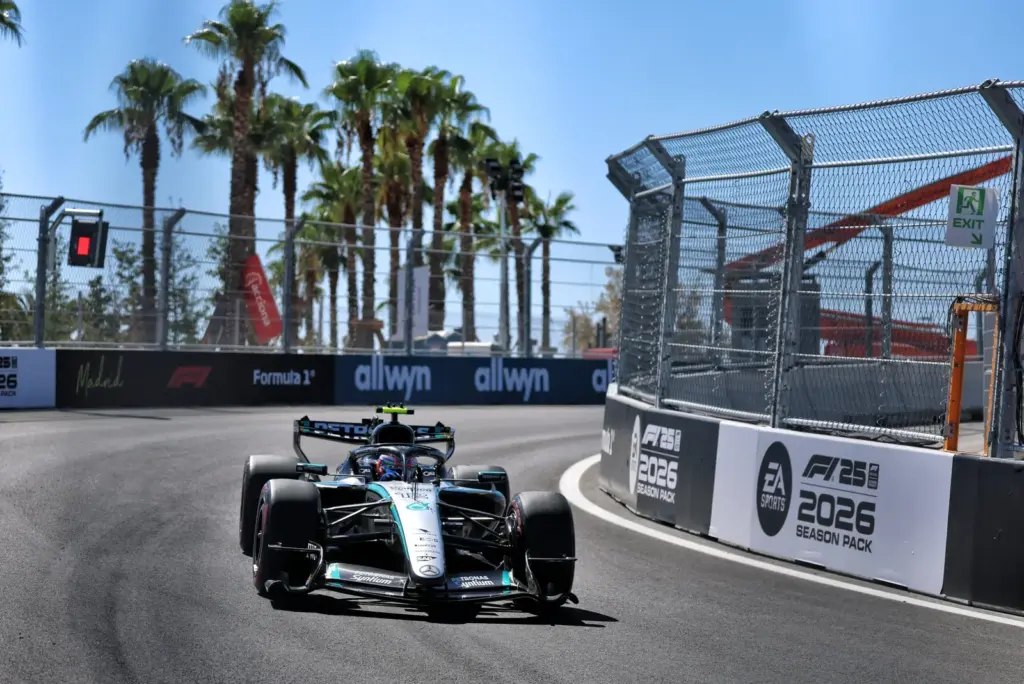
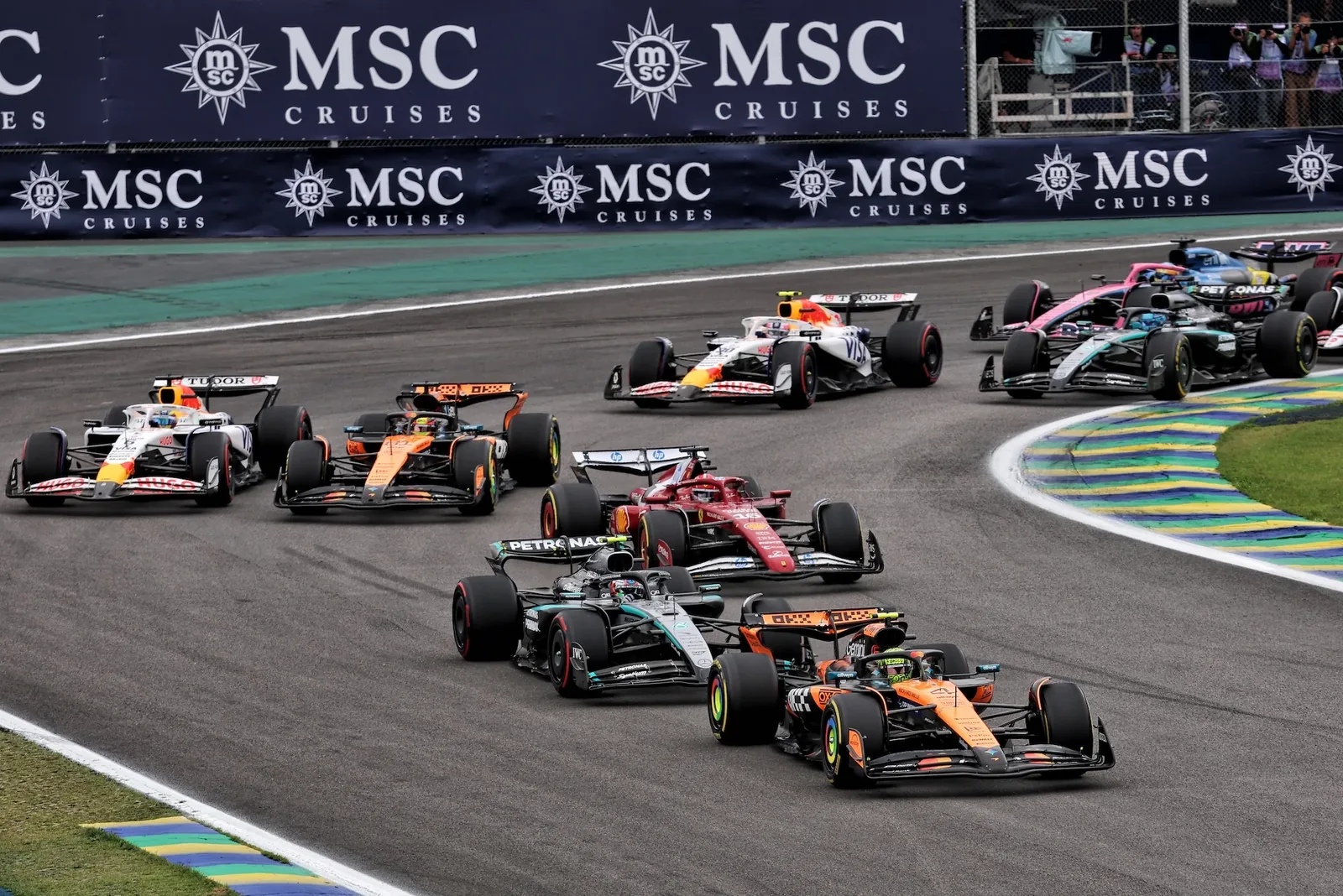
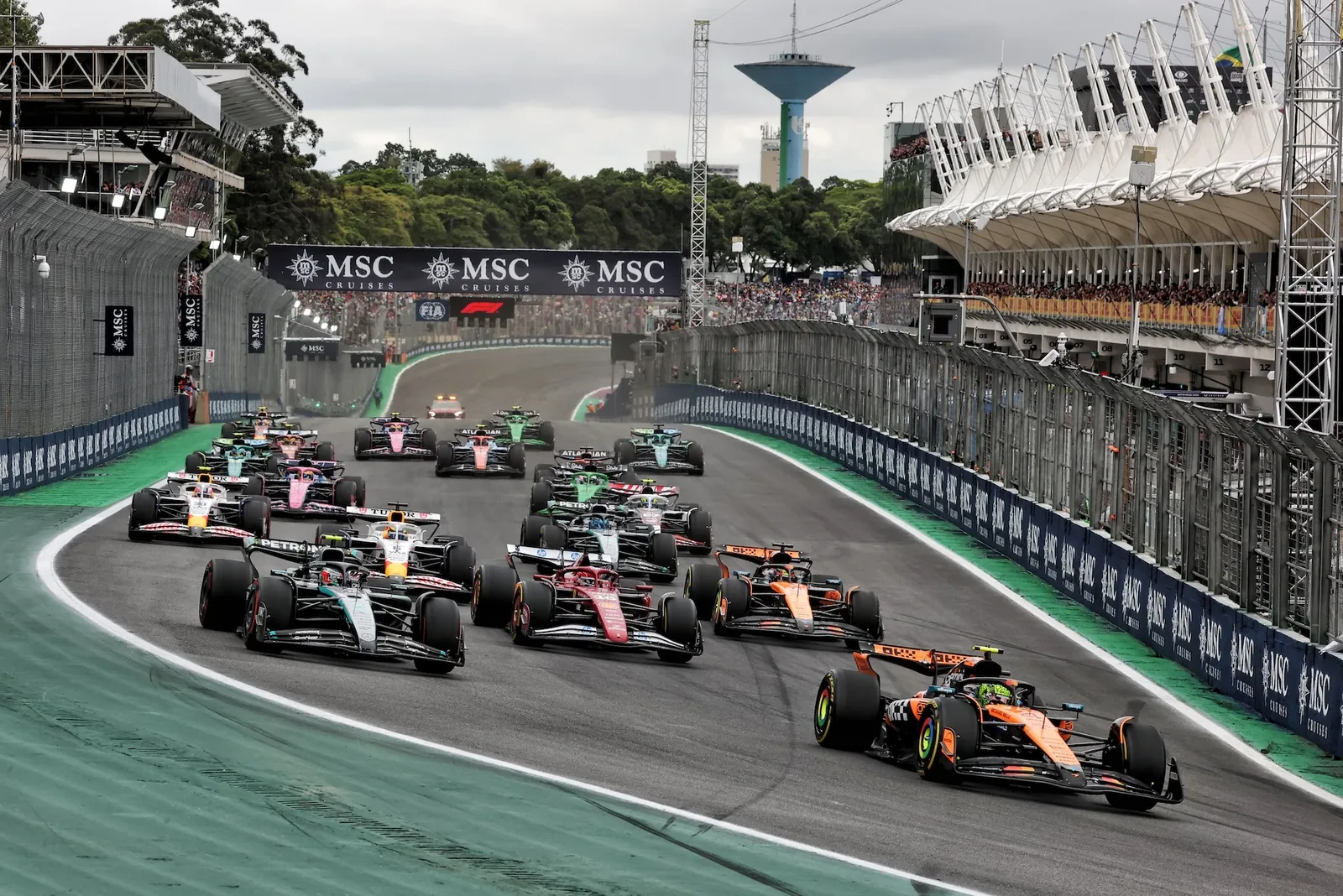
What was seen was a parade of cars, with the worst number of overtakes of the season. Worse even than the already traditional Monaco. On social media, complaints and jokes set the tone for the weekend, with accusations that the new Spanish GP would be a great substitute for sleeping pills.
On the other hand, commercially, the race at Madring seems to have been a success. Celebrities like Vini Jr., Rafael Nadal, José Mourinho, Sergio Ramos, Endrick, and even the biggest Brazilian influencer currently, Virginia, were present. There was media coverage and, according to the Spanish portal RTVE, an impact of more than 470 million euros.
This combination of commercial appeal and a less exciting race led to harsh criticism from the public: how long will F1 only think about the commercial side?
However, the better question for this whole situation would be: how can F1 better reconcile the commercial side with the on-track excitement?
And this change of question is not a way to protect Formula 1, nor to force the public to swallow a race with practically no overtaking. It is a way to face the sport as it really is.
Formula 1 has thought commercially since the professionalization of the category. And here we go back to the 1970s, with the arrival of sponsors, brand promotion, and commercial agreements that helped the category become the grandeur it is today. And it was these same agreements that allowed great names to pass through F1.
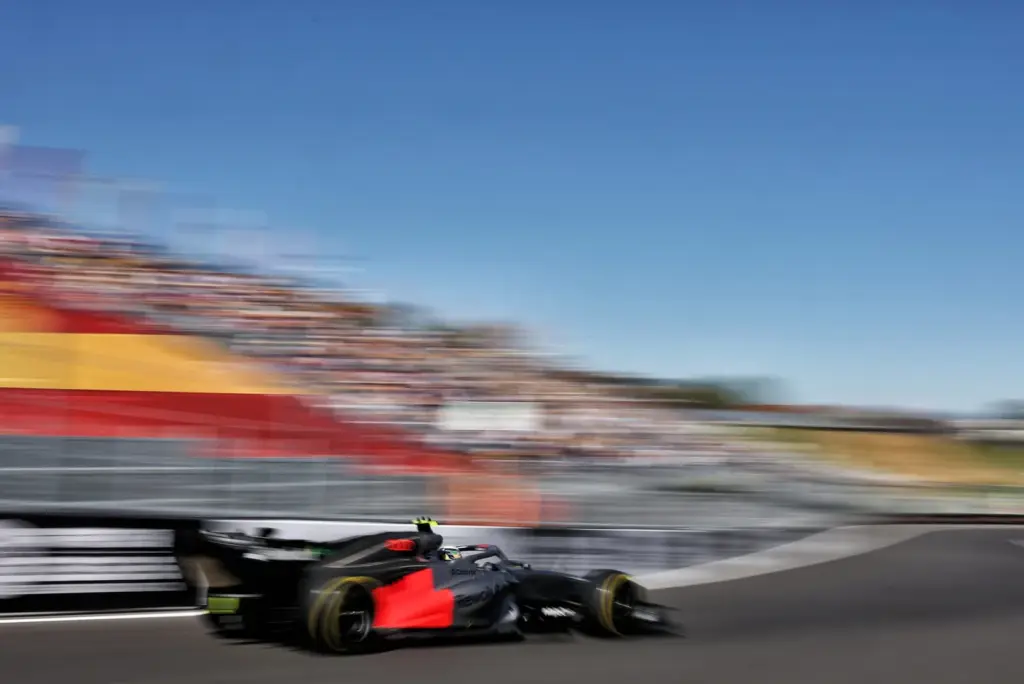
It is impossible to think of Ayrton Senna and not remember McLaren’s sponsor in his golden era. It is also impossible not to know which bank sponsored Ferrari when Michael Schumacher made history. But, far beyond that, the commercial aspect is appealing even in the teams that are in Formula 1: when you see a Mercedes car on the street, it is normal to think of Lewis Hamilton.
The Monaco GP, despite being heavily criticized nowadays for its slowness, remains a desire for many Formula 1 fans. The adrenaline of the race on the principality’s streets, the iconic corners that have witnessed historic moments, the qualifying that today is the highlight of the race, and, of course, the tradition make the race a dream to attend, even with the annual criticisms regarding the lack of dynamics due to the size of the current cars.
Another success is Las Vegas. Initially heavily criticized — and still extremely commercial, with a Disney show and Hollywood actors randomly appearing in the broadcast — the “tackiness” gradually gained space and has already become an anticipated moment on the calendar. The public wants to know what the marketing invention of the moment will be, besides the race itself, which has also become interesting.
Read more São Paulo F1 GP has confirmed date and Sprint return in 2027
So, there are examples that being a commercial track is not exactly a problem. And, for that very reason, the criticism that Madring was designed only for the commercial side of F1 is not exactly fair.
Many factors can interfere with the success of a track, beyond the layout itself. Monaco, as mentioned before, has had historic moments in an era of smaller cars. Monza, another of Formula 1’s most traditional tracks, has also had races where the fight for victory was less lively. This shows that the success of a circuit depends not only on the layout but also on the cars and the moment of Formula 1.
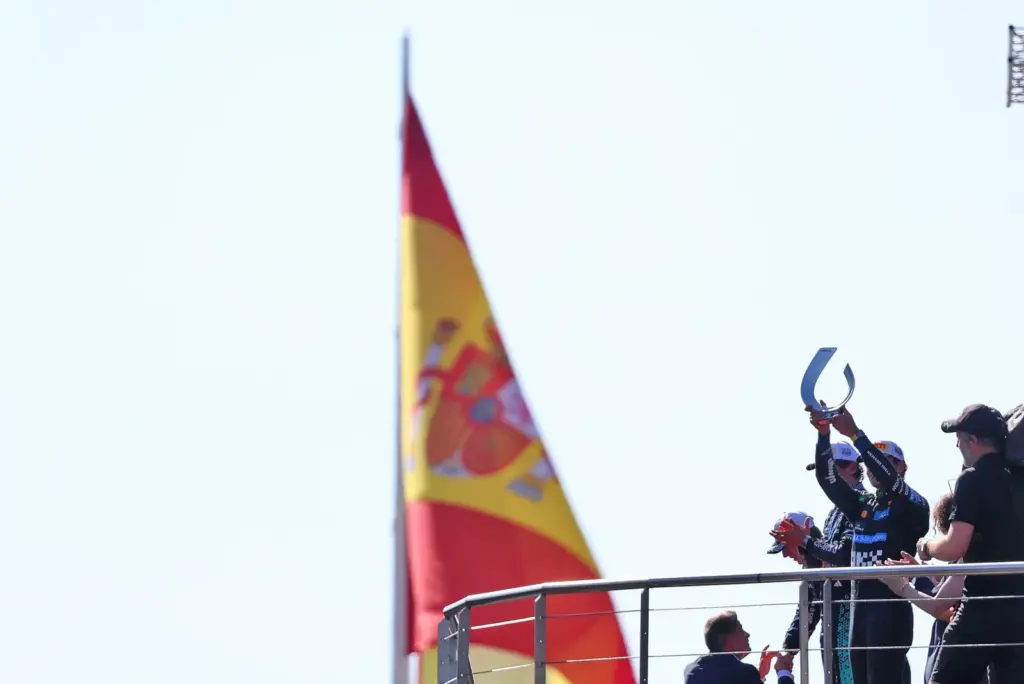
Madring made its debut with high expectations and, in a year of new regulations, the negative impact on the competitive side was even greater. At the same time, a positive point was precisely that the new circuit was not marked by serious accidents. Better a monotonous race than a race that brings risk and distrust.
Returning to the question of this analysis: how can F1 better reconcile the commercial side with the on-track excitement?
Perhaps listening to the drivers and making changes to the circuit is a good idea. Much of the current grid expressed their dissatisfaction after the race, but George Russell pointed out that not all drivers are interested in meeting to present new ideas. There is a lack of time, a lack of interest.
This is also a point to consider. In previous decades, drivers managed to meet to directly influence important issues.
This is a double-edged sword, since having a united grid can or cannot become a political problem within Formula 1. But, in a situation like the Madrid circuit, it would be interesting to see the impact of proposals from those who are really racing on the track. It is not something that should happen, according to Russell.
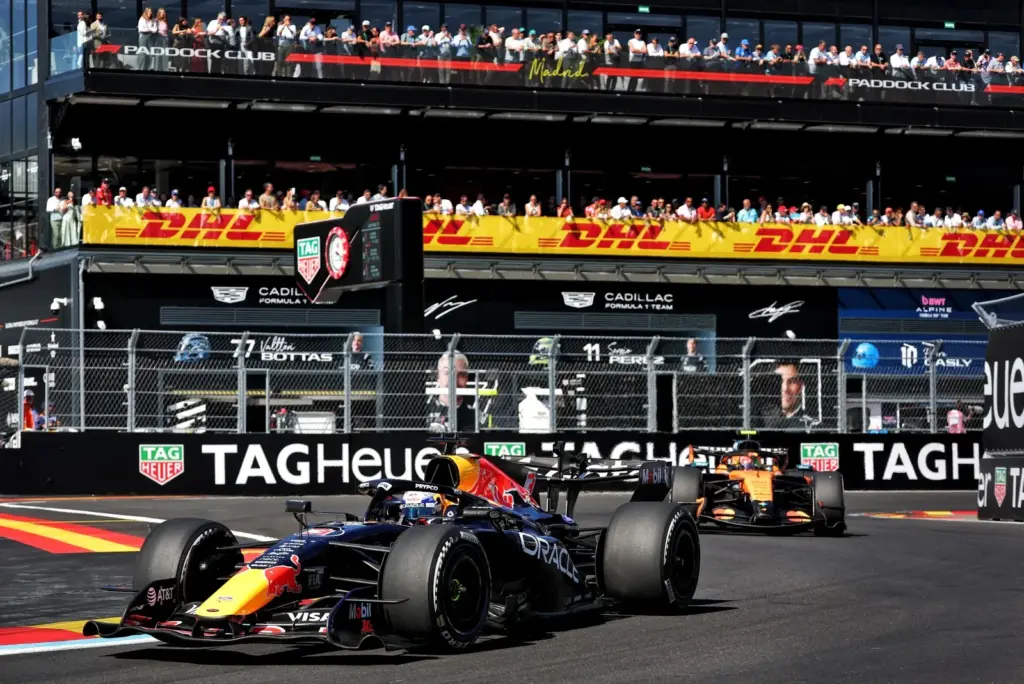
In the coming years, the regulations will be updated, which may also influence the race and give a thread of hope for Madrid.
However, something is missing on the Spanish circuit.
Monaco has the connection with the public. Las Vegas has the expectation for the marketing innovation of the moment. Even Miami, which was initially a very rejected race, managed to captivate fans.
Perhaps the way to make the race attractive in an era of huge cars, which do not favor street circuits, lies precisely in the commercial side of Formula 1. But just bringing celebrities to the grid is not the answer. Madrid still needs to discover what its appeal will be.
The city has already shown that it can turn Formula 1 into a major event. Now it needs to find what will make the public look at Madring and recognize that there is something there beyond the spectacle built around the track. After all, it is a ten-year contract.
Read more F1 releases calendar for 2027 with test dates in Bahrain and ten Sprint races