
Energy system that marked the Australian GP changes the logic of battles and demands a new strategic approach from drivers
Read more F1: Where to watch and the schedule for the 2026 Chinese F1 GP
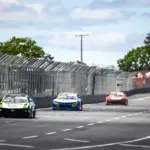
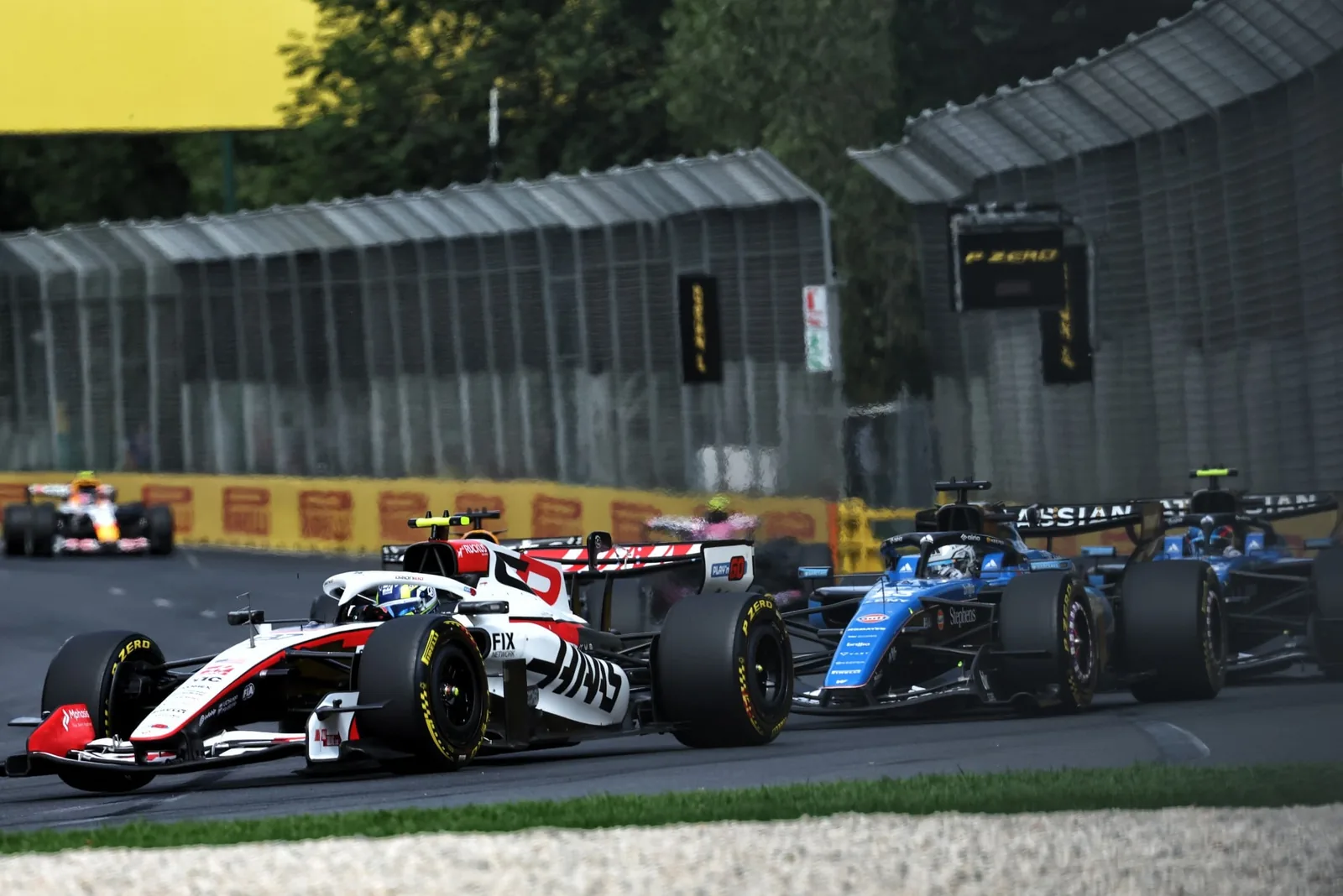
The debut of the new generation of Formula 1 cars in 2026 brought an element that quickly became one of the main topics of debate in the paddock: the impact of the overtake button on racing behavior. The energy system, which allows for the release of extra power for short periods, played a central role in the battles of the Australian Grand Prix, the first round of the season, held this Sunday in Melbourne.
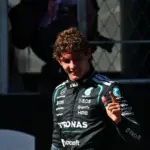
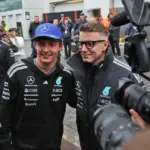
During the official press conference after the race, the three podium finishers, George Russell, Kimi Antonelli, and Charles Leclerc, analyzed the system’s operation and agreed that it significantly alters the dynamics of on-track battles.
Russell, the race winner and championship leader after the inaugural round, highlighted that the new configuration requires a much more strategic approach to energy usage throughout the lap. At circuits like Albert Park, with several important straights, the decision on where to spend the battery can define who gains the advantage in each battle.
“There is more opportunity for racing, but it also requires more strategy. On a circuit like this, you have four important straights and you need to divide the energy between them. No team divides it exactly 25% on each straight. Some use more on one, others on another. If you use the overtake mode, you pass the opponent on one straight and they can give it back to you on the next.”
This behavior was evident in the early laps of the race, when drivers engaged in intense battles and positions changed frequently. Russell himself described the situation as a “yo-yo effect,” where overtaking didn’t always mean consolidating the position immediately.
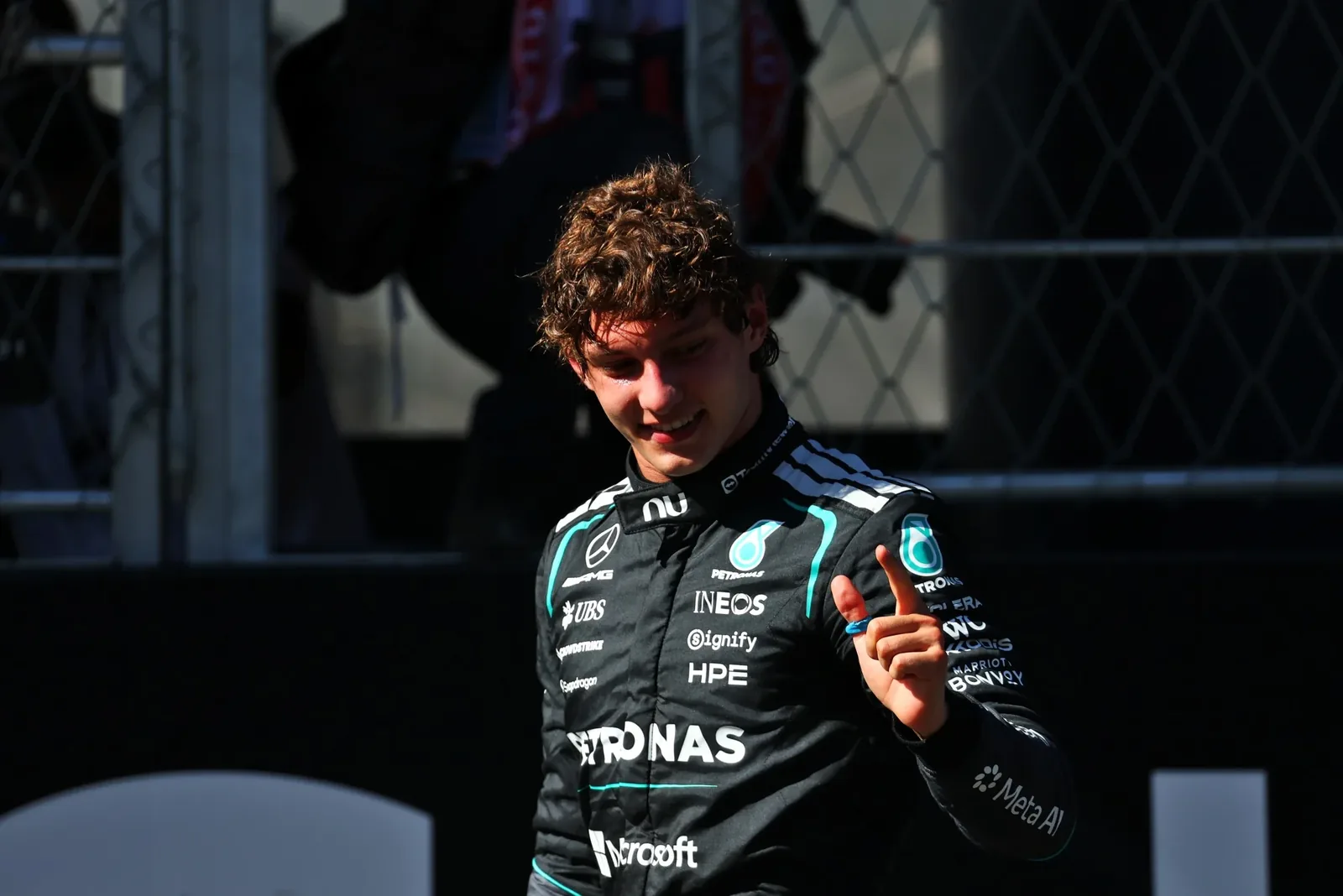
Kimi Antonelli, who finished in second place after a recovery race, also assessed that the system was responsible for much of the action seen in Melbourne.
“On a track like this, the overtake mode was very strong and allowed for many maneuvers. It generated a lot of action in the first laps.”
The Italian emphasized that the system’s impact can vary greatly depending on the circuit. On tracks with fewer straights or different layout characteristics, the race behavior could change significantly.
Read more Audi debuts with points and Bortoleto shows potential in promising F1 2026 start
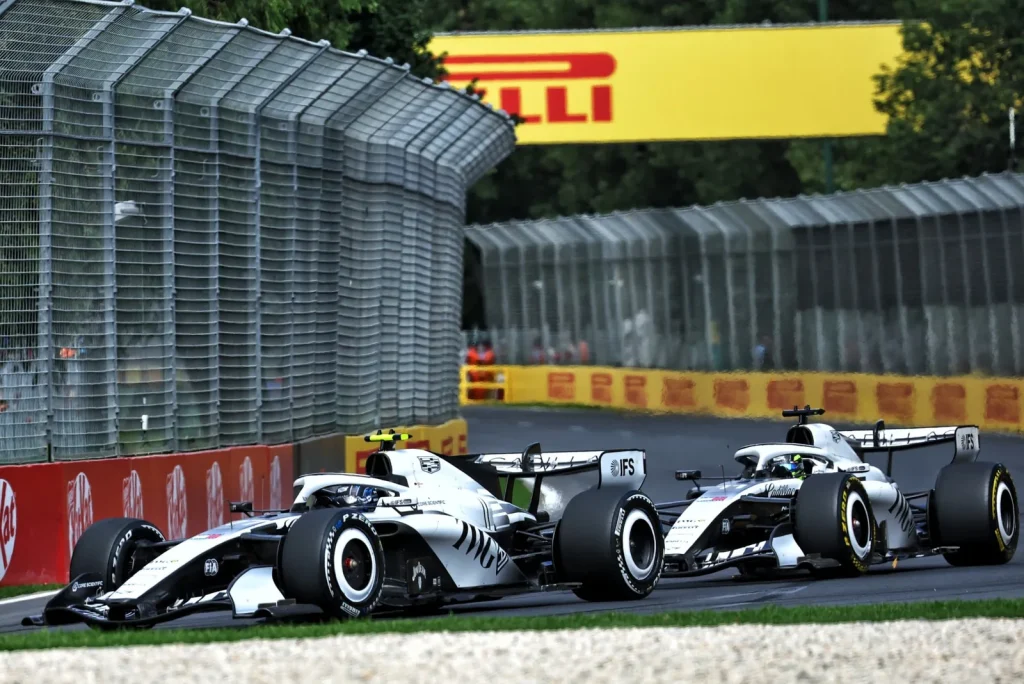
Charles Leclerc, who completed the podium for Ferrari, went further by stating that the new generation of cars requires a change in mindset from drivers during wheel-to-wheel battles. For the Monegasque, the focus is no longer just on the braking point and now involves strategic planning of energy use.
“Before it was more about who braked later. Now there is much more strategy involved. Every time you activate the boost, you know you will pay the price later. So you have to think several steps ahead.”
The system, however, also drew criticism even before the race. McLaren leader Lando Norris went as far as classifying the mechanism as an element of “artificial racing,” arguing that it excessively alters the natural behavior of battles.
Russell responded to the criticism during the press conference, defending that it is still too early to draw definitive conclusions about how the new regulations work.
“It’s different, for sure. But every track will have different characteristics. In Shanghai, for example, there is a huge straight and most will use the energy there. In Melbourne, you need to divide it between four straights. I think it’s still too early to judge.”
The Briton also reminded that technical changes usually generate immediate reactions, but the true impact can only be assessed after a few races.
“When the cars are easier to drive, they say the racing is bad. Now that the drivers are having more difficulties and the races are busy, everyone says it’s great. So we need to wait a few more races.”
With only one round completed in the new era of Formula 1, the system’s behavior is still expected to evolve as teams and drivers better understand the strategic possibilities of energy use. The next chapter of this learning process takes place at the Chinese Grand Prix in Shanghai, which will have a Sprint format and offer even less preparation time to explore the limits of the new generation of cars.
Read more Russell wins in the debut of the new F1 and Ferrari shows it can challenge Mercedes