









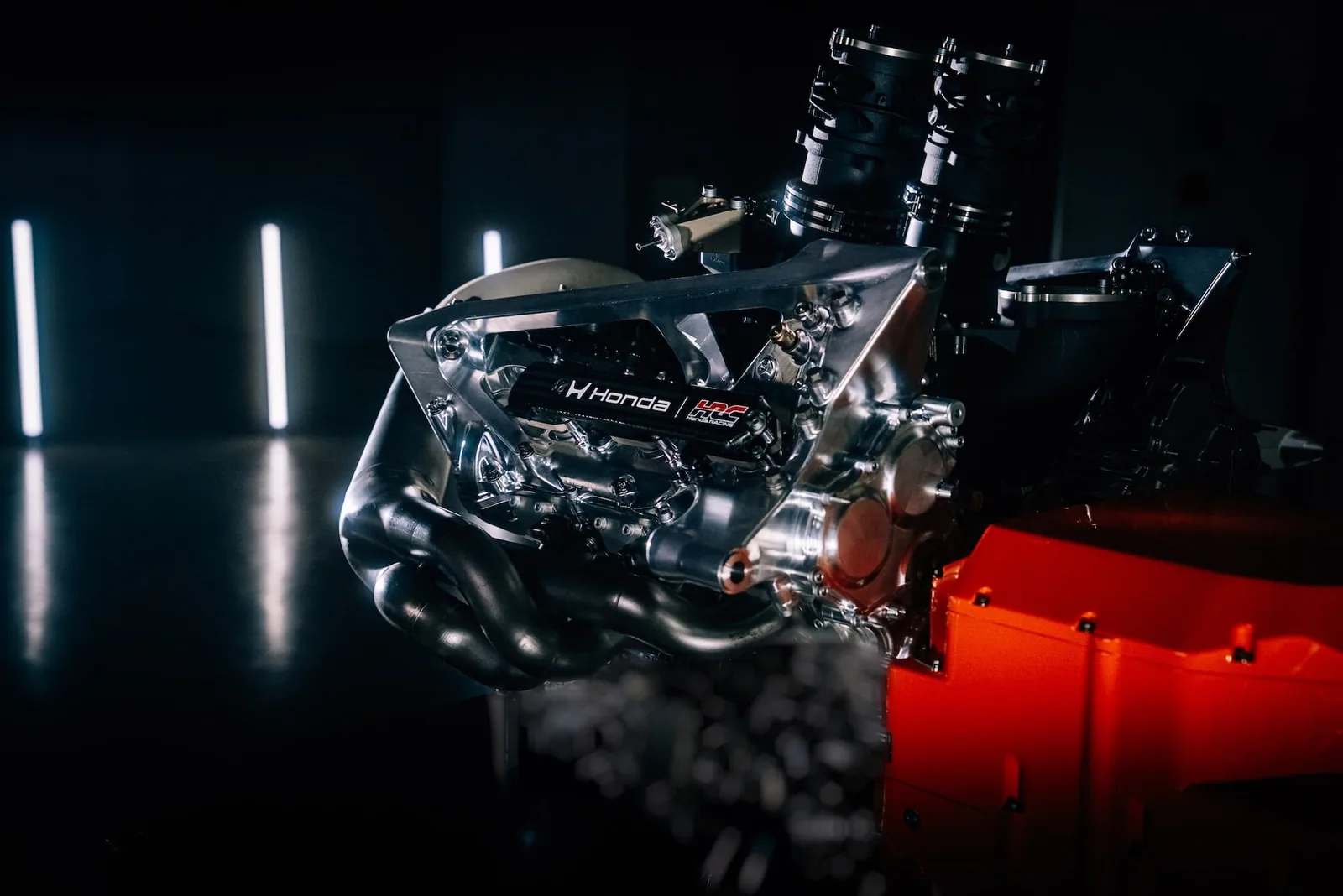
The Transformation of Formula 1 in 2026
Formula 1, one of the most exciting and technologically advanced sports in the world, continues to evolve in 2026. In recent years, the category has undergone a significant transformation, driven by technological innovations and a growing focus on sustainability. With the introduction of more efficient hybrid engines and the use of sustainable fuels, F1 is setting new standards for global motorsport.
Read more F1: Verstappen leads Nürburgring after touch at 270 km/h
The current season has been marked by exciting races and fierce battles among the top teams. Mercedes, Red Bull, and Ferrari continue to be the protagonists, but new teams like Aston Martin and Alpine have shown remarkable performance, bringing even more competitiveness to the grid. The pursuit of efficiency and speed has never been so intense, reflecting F1’s commitment to staying at the forefront of automotive technology.
Bets and Predictions: The Role of Fans
While teams and drivers prepare for each race, fans also play a crucial role, especially when it comes to predicting results and creating a healthy competitive environment off the track. Platforms like “betao aposta” offer sports enthusiasts a way to get even more involved, allowing them to make informed predictions and bets on race outcomes.
This interaction not only increases fan engagement but also brings a new dimension to how people experience Formula 1. With advancing technology, real-time data and detailed analyses become valuable tools for those who enjoy testing their knowledge and intuition about the sport.
Technological Innovations and the Future of F1
Innovation continues to be the heart of Formula 1. In 2026, the category is exploring new frontiers with the use of artificial intelligence and big data to improve car performance and driver safety. Teams are investing in advanced simulators and augmented reality technologies to optimize driver training and car development.
Read more F1: Verstappen leads Nürburgring after eight hours of racing
Moreover, F1 is committed to reducing its carbon footprint. The use of synthetic fuels and the development of more efficient engines are just some of the measures adopted to make the category more sustainable. Partnerships with environmental organizations and the implementation of eco-friendly practices at events are important steps to ensure that Formula 1 continues to be a leader in sustainable innovation.
The Social and Cultural Impact of Formula 1
Formula 1 is not just a sport; it is a cultural phenomenon that transcends borders. In 2026, F1 continues to expand its global presence, with new circuits in Asia and Africa, bringing the sport to new audiences and cultures. This global expansion not only increases the sport’s popularity but also promotes diversity and inclusion in motorsport.
The social impact of F1 is also evident in its efforts to inspire the next generation of engineers and drivers. Educational initiatives and talent development programs are being implemented worldwide, offering opportunities for young people from diverse backgrounds to engage with science, technology, engineering, and mathematics (STEM).
Conclusion: Formula 1 Towards the Future
As we look to the future, Formula 1 continues to be an example of innovation and sporting excellence. With a renewed commitment to sustainability and inclusion, F1 is well positioned to face future challenges and inspire generations of fans and sports professionals. The combination of cutting-edge technology, intense competition, and a focus on sustainable practices ensures that Formula 1 remains at the top of global motorsport for many years to come.
Read more F1: Button cites insecurity in motorsport: «You lose more than you gain»