







Far beyond a simple Formula 1 stage, the Monaco GP brings together history, glamour, tradition, and one of the greatest challenges in motorsport, maintaining its unique status even after nearly a century of existence.
Read more F1: Hamilton’s contract with Ferrari could influence Verstappen’s future
Few sporting events manage to combine tradition, history, glamour, and technical challenge the way the Monaco Grand Prix of F1 has for almost a century. Much more than just a simple stage on the Formula 1 calendar, the race held on the streets of the Principality has become a symbol of the category, an event that transcends sport and occupies a unique space in the imagination of fans, drivers, teams, and personalities worldwide.
This weekend, Formula 1 returns to Monte Carlo for the 72nd edition of the Monaco GP, a race that keeps its aura intact even in an era marked by ultra-modern circuits, million-dollar facilities, and new races spread across five continents. In a constantly evolving championship, Monaco remains a living link between the past and present of the world’s premier motorsport category.
A race that spans generations
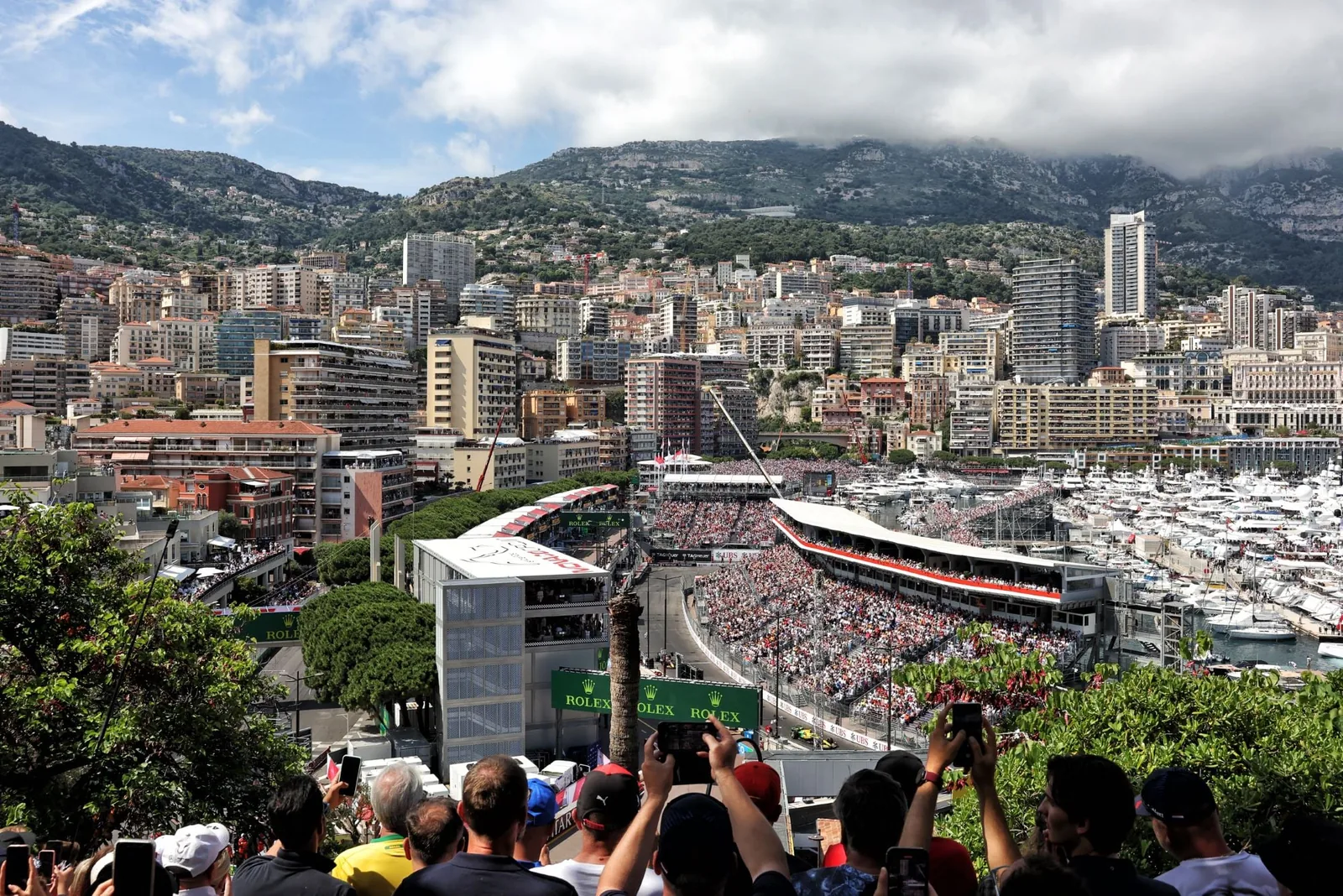
The history of the race began in 1929, when the Automobile Club of Monaco organized the first race through the narrow streets of the Principality. Decades later, the circuit remains practically recognizable, preserving features that have disappeared from most modern tracks. With only 3.337 kilometers in length and 19 turns, the layout winds between buildings, walls, guard rails, marinas, and hotels, turning each lap into an extreme exercise in precision.
Unlike permanent racetracks, Monaco does not offer generous runoff areas. Drivers compete surrounded by protective barriers, knowing that a small mistake can mean the immediate end of the session. At some points on the circuit, cars pass just centimeters from the walls while trying to extract the last tenths of a second in performance.
The greatest precision test in Formula 1
This constant proximity to the limit helps explain why so many drivers consider a perfect lap in Monaco as one of the greatest demonstrations of skill within Formula 1.
The importance of qualifying is a direct consequence of the track’s characteristics. The narrow streets make overtaking difficult and give the starting position enormous weight in the final result. For this reason, teams usually focus much of their efforts on Saturday, aiming to secure the best possible position for Sunday’s race.
Read more F1: Leclerc’s renewal could lead Ferrari to historic salary payment
From a technical point of view, Monaco is also an exception within the calendar. It is the circuit that demands the highest level of aerodynamic downforce of the season, while average speeds are among the lowest in the championship. In certain sections, drivers slow to about 50 km/h before accelerating again towards the next corners.
The nature of the layout also directly influences tire choice. For the 2026 edition, Formula 1 will use the softest range available, composed of C3, C4, and C5 tires. The goal is to maximize grip on a traditionally smooth surface, where traction plays a fundamental role in car performance.
Far beyond the races
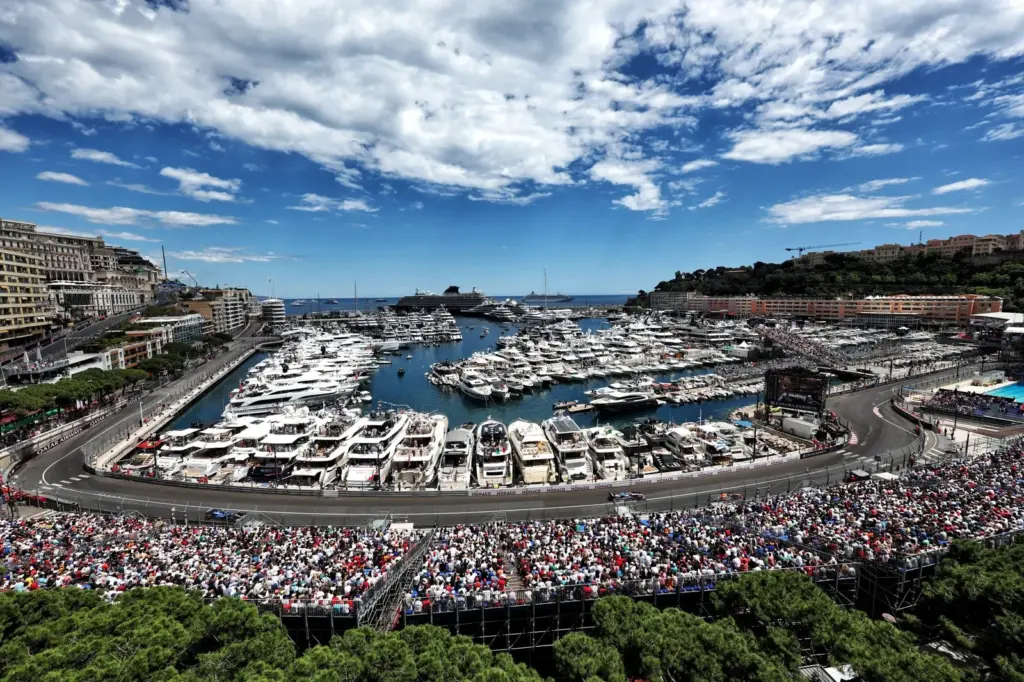
But reducing Monaco only to the sporting aspect would ignore an important part of its identity. Over the decades, the GP has become one of the most prestigious social events on the planet. During race weekend, the port is taken over by million-dollar yachts, hotels host celebrities, businessmen, and public figures, while building balconies turn into boxes with privileged views of the track.
The combination of sport and glamour has helped build an image that transcends the boundaries of motorsport. Even people who do not regularly follow Formula 1 recognize the importance of the Monaco GP, something few races manage to achieve.
Senna, McLaren, and the weight of history
The historical weight of the race also contributes to its reputation. Legendary names in motorsport have written memorable chapters in the Principality, but none left a mark as deep as Ayrton Senna. The Brazilian remains the greatest winner in the history of the race, with six victories, a record that has stood for more than three decades and has become an inseparable part of the event’s identity.
Among the teams, McLaren leads the list of achievements in Monte Carlo, with 16 wins, reinforcing the connection between some of the greatest stories in Formula 1 and the streets of the Principality.
Read more F1: Norris and Stella point to Ferrari as favorite in Monaco