








The escalation in the Middle East has reached two locations that Formula 1 knows very well: Abu Dhabi and Bahrain. This Saturday (28), Iran launched missiles against Gulf countries in retaliation for US attacks (in coordination with Israel) against targets on Iranian territory, according to reports from agencies and authorities.
Read more F1 changes qualifying session format in 2026
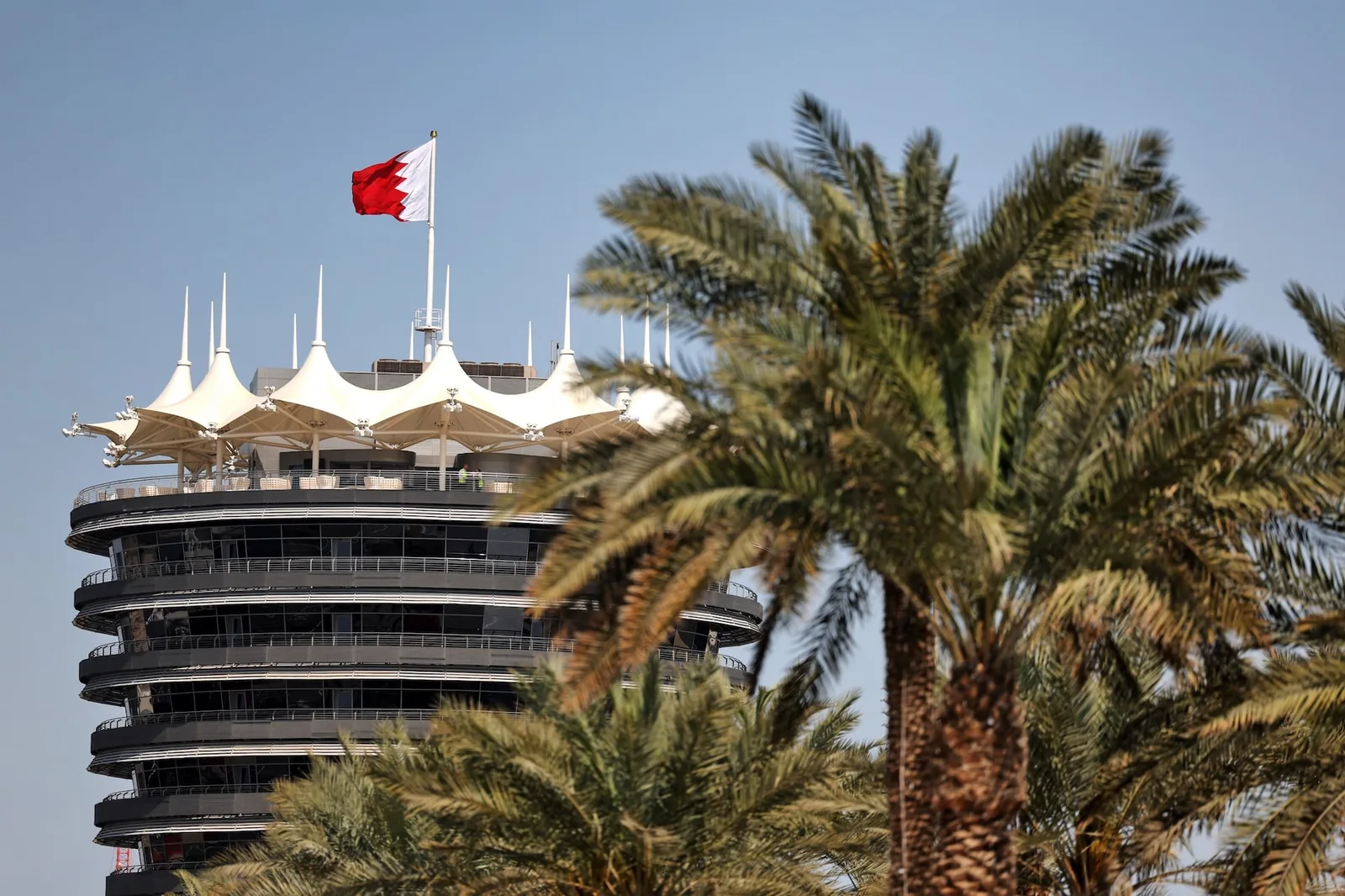
In Abu Dhabi, Emirati state media reported at least one death. In Bahrain, an impact hit a service center linked to the US 5th Fleet, in a move that raises tension precisely in a region that hosts key stages of the category’s calendar. 
The most immediate side effect, which hits F1 directly in its logistical vein, came from the sky: airlines suspended and diverted flights, and traffic maps showed emptied air corridors over sensitive points, with security alerts and partial/temporary closures of airspace in the region.
With the closure, fewer routes become available, more diversions are announced, as well as more delays and a real risk of a “domino effect” on international connections (cargo and passengers). 
Read more F1: Meet the car names for the 2026 season
In the paddock, this triggers a very strong yellow light for upcoming travel. A flight with Williams members experienced difficulties leaving London and was delayed, and Formula 1 is already monitoring the situation for the Gulf stages as well, such as the Bahrain GP itself, which takes place between April 10 and 12.
With the debut of the new car, teams are already on a tight schedule for the start of the season and any delay could be crucial.
Read more F1: Mekies highlights Verstappen’s importance for Red Bull’s success