



From artificial intelligence to engineers’ strategic decisions, understand how the combination of technology and human experience influences Formula 1 results.
Read more F1: Wolff confirms conversation about future of Mercedes member amid rumors with Red Bull
Formula 1 goes far beyond fast cars and good drivers. The sport is a benchmark within motorsport and has evolved at the pace of technology. The sport demands these changes both in safety matters, as happened with the introduction of the halo, and in the use of artificial intelligence during races and preparations.

But, allied to all this, we have the main link: the human factor, which coordinates all the use of these tools and, in a matter of seconds, directs the best decision during a race. It is the perfect combination of statistics, technology, and the individual.
In the world of sports betting, experts constantly combine advanced statistics with experience accumulated over the years to anticipate results. This hybrid approach also applies to Formula 1, where teams make predictions based on data analysis and the human factor to define race strategies that can secure victories. The ability to balance cold numbers with the intuitive knowledge of professionals has become an indispensable competitive edge in any high-performance sport.
The current season continues to provide great races and attract more and more fans. This proves that Formula 1 keeps renewing itself and arousing public curiosity about how the cars, teams, and behind-the-scenes of the category work.
This is evident with the success of the film F1, starring Brad Pitt and produced by Apple Original Films, which grossed over US$ 634 million worldwide. The production shows how human issues within a team are decisive and how they are overcome in pursuit of the best results, reinforcing that, even in a technology-driven sport, the human factor remains essential.
The importance of data
A Formula 1 race, no matter how many times it is planned, is totally unpredictable. Therefore, for teams, it is essential to have access to advanced data technology. This information ensures good performance and varies in function, such as, for example:
- Tire wear;
- Engine and brake performance;
- Driver actions;
- Fuel consumption and refueling level;
- Temperature.
All this reaches the pit wall and the factories’ operations centers in real time. Through this information, strategies and race plans are shaped for the different circuits.
The impact of intuition and human evaluation
Despite all this data, there is one thing that cannot be predicted: human individuality. And, to get as close as possible to this scenario, nothing is better than other individuals to devise strategies.
This role is fundamental within a team, as those responsible work alongside drivers in stressful situations, sudden changes of scenario, and moments when quick decisions are needed to define a new race plan.
Read more F2: León is disqualified from the main race for an unusual reason at the Belgian GP
Some names stand out in Formula 1 and deserve to be mentioned for the work they have done or still do within the sport.
Ross Brawn: Formula 1 legend, was one of the main people responsible for the bold strategies that contributed to Michael Schumacher’s titles at Ferrari in the 2000s, as well as the historic Brawn GP title in 2009.
Hannah Schmitz: senior engineer at Red Bull Racing. She gained prominence for strategic decisions at the 2019 Brazilian GP and the 2022 Hungarian GP, which resulted in important victories for Max Verstappen.
Leonardo Silva: Brazilian engineer who worked at Mercedes and had a direct connection with the team’s golden years.
James Vowles: Currently Williams’ chief, he made history at Mercedes during the hybrid era by leading decisive strategies and standing out for his excellent race reading.
Who makes up the Formula 1 grid in 2026?
Formula 1 continues to count on its phenomenal drivers and traditional teams, but it also experiences an interesting renewal process with young talents and new teams arriving to claim their space and write their history.
Formula 1 Grid 2026 (FIA)
- McLaren: Lando Norris and Oscar Piastri;
- Mercedes: George Russell and Kimi Antonelli;
- Ferrari: Charles Leclerc and Lewis Hamilton;
- Red Bull Racing: Max Verstappen and Isack Hadjar;
- Aston Martin: Fernando Alonso and Lance Stroll;
- Alpine: Pierre Gasly and Franco Colapinto;
- Williams: Alexander Albon and Carlos Sainz;
- Audi: Gabriel Bortoleto and Nico Hülkenberg;
- Racing Bulls: Liam Lawson and Arvid Lindblad;
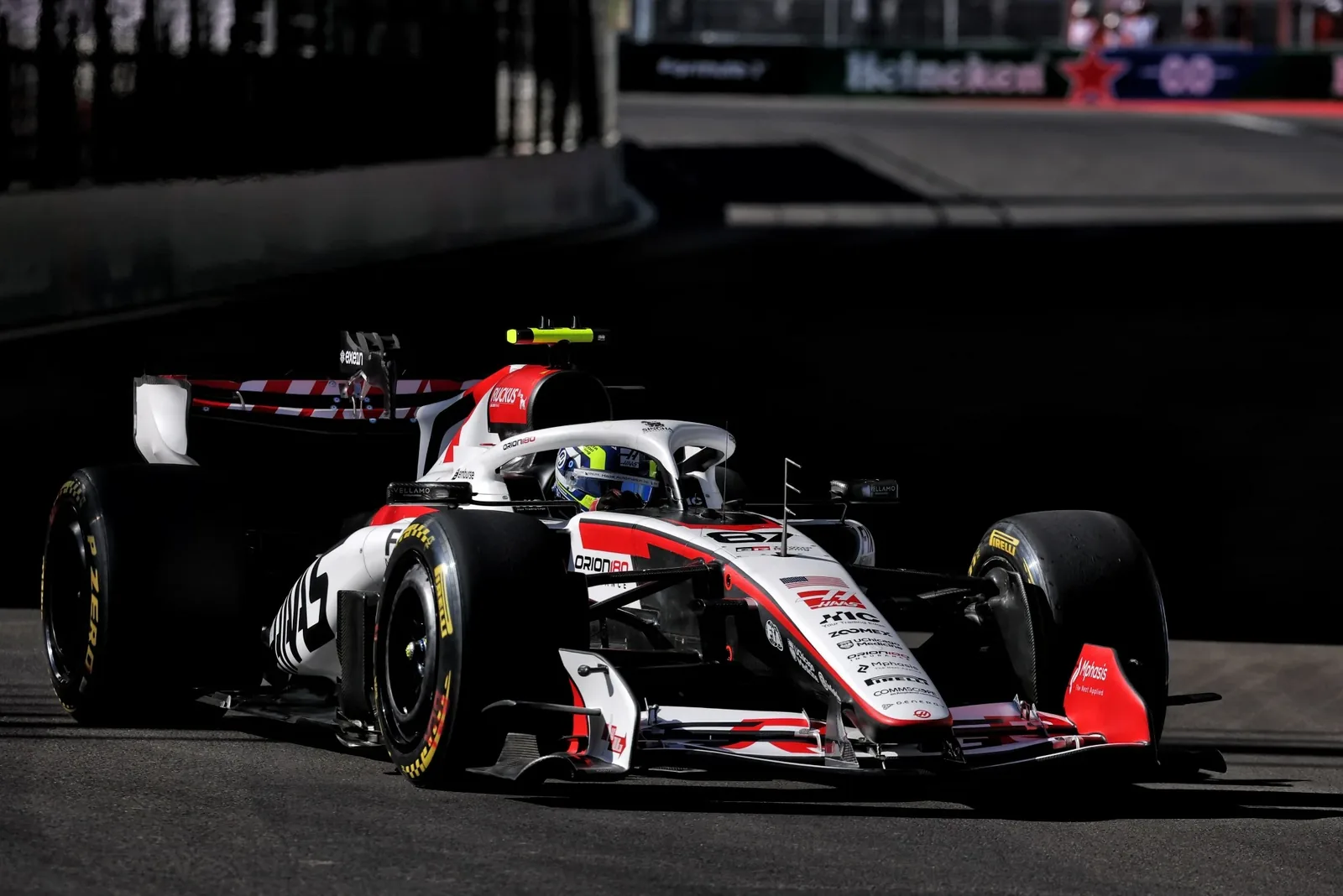
- Haas: Esteban Ocon and Oliver Bearman;
- Cadillac: Sergio Pérez and Valtteri Bottas.
The future of Formula 1
We can say that Formula 1 will never stop evolving, because that is part of the sport’s DNA. The pits will always have news, whether with new teams, drivers, or engines. However, what will not change is the importance of strategies and those behind them.
Technology advances, just as we evolve as human beings, making the connection between machine and man increasingly fascinating. Each race is a story and each story is a strategy.
Read more F1: Five questions the Hungarian GP can answer in the 2026 season