







Have you ever wondered how a Formula 1 car manages to be so fast, light, and precise at the same time? For many people, it just seems like a very advanced racing car. But when we look closely, we can see that every detail exists for a reason. Nothing is there by chance.
Read more F1 today: Mercedes admits problem and Cadillac backs Bottas
A Formula 1 car is a mix of engineering, science, strategy, and driving. It needs to accelerate strongly, brake in a few meters, take corners at high speed, and still protect the driver. All this happens on different tracks, with variable weather, and decisions made in seconds.
What makes a Formula 1 car so special?
A Formula 1 car is not made for regular streets. It is designed to compete at the limit within circuits. Therefore, its design, engine, tires, and electronic systems work together to seek performance, stability, and control.
Lightness and strength
Weight is one of the most important points. The lighter the car, the easier it is to accelerate, brake, and change direction. But it also needs to be very strong. For this, the structure uses advanced materials, such as carbon fiber.
This material helps the car be light but also strong. The survival cell, where the driver sits, is made to withstand great impacts. Thus, the car combines speed with safety.
Low center of gravity
Formula 1 cars are low for a simple reason. The closer the car’s weight is to the ground, the better it behaves in corners. This helps the driver maintain control at very high speeds.
The engine, tank, battery, and other components are positioned very carefully. Weight distribution makes a difference on every lap.
Every part has a function
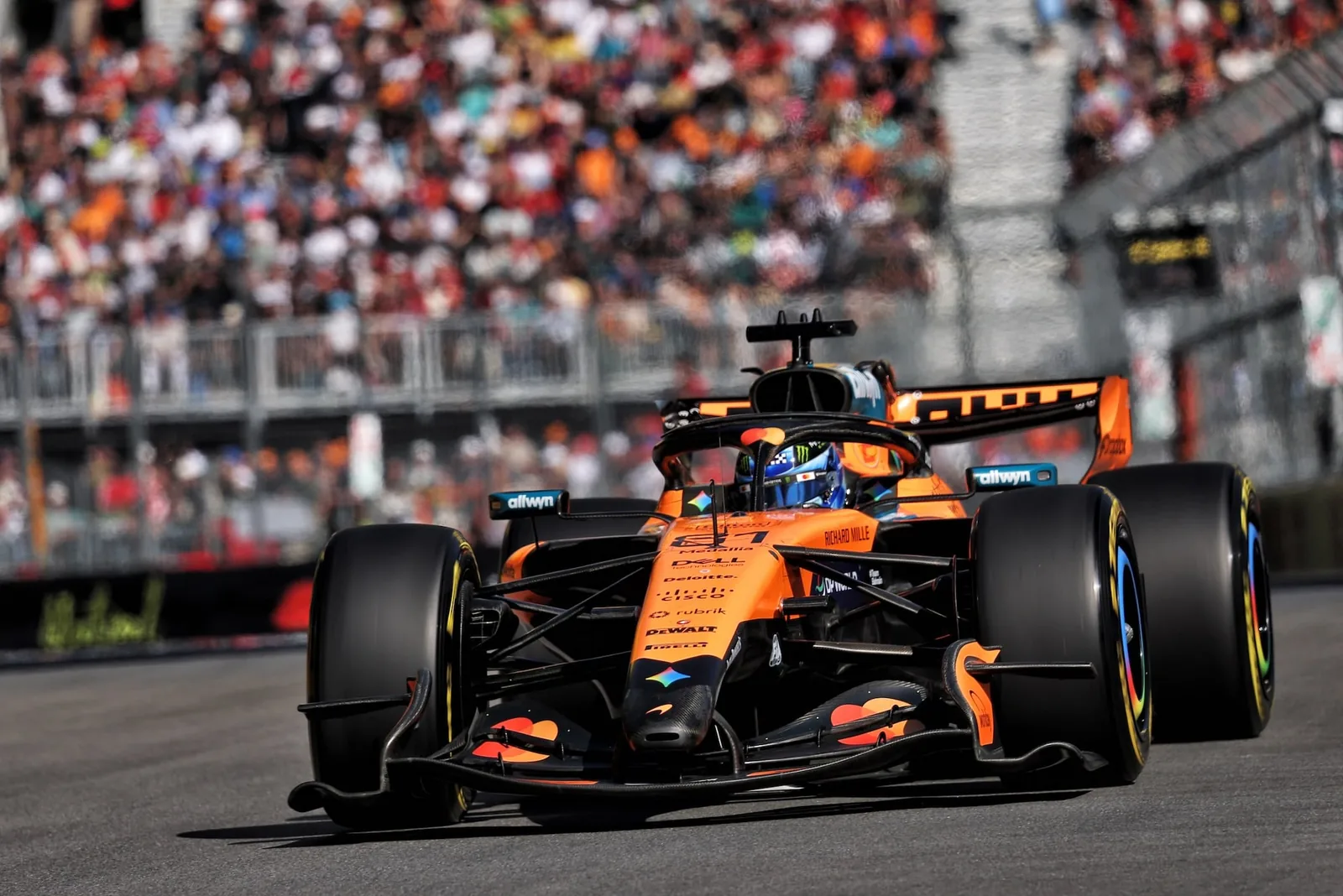
Nothing in an F1 car is just visual. The wings, air intakes, sides, and even small details on the body help the air pass in the best way. It’s as if the car “cuts” through the air while using that same air to stay more glued to the ground.
In an online technology discussion, it is common to see very different terms, like slot, appearing in varied contexts. But in the case of Formula 1, the focus is on how each technical choice improves performance on the track.
Speed: more than just power
When we talk about speed in Formula 1, many people immediately think of the engine. It is essential, of course. But real speed comes from the sum of several parts. Power, aerodynamics, tires, brakes, and strategy work as a whole.
Quick acceleration
A Formula 1 car accelerates impressively. This happens because it has high power, low weight, and a lot of grip. Traction helps transform the engine’s force into movement without losing much control.
Power delivery needs to be smooth and efficient. If the car sends too much force to the wheels at once, it can lose grip. Therefore, technology helps the driver use power at the right moment.
Speed in corners
The big difference of an F1 car is not only on the straights. It appears greatly in corners. Thanks to aerodynamics, the car can take corners at speeds that would be impossible for regular cars.
The wings generate a force called aerodynamic pressure. It pushes the car down. With this, the tires stick more to the asphalt. The greater the grip, the faster the driver can take the corner.
Very efficient brakes
The brakes of a Formula 1 car are extremely strong. They allow reducing speed in a short space. This is vital because the driver needs to brake late before corners to gain time.
The brake discs work at very high temperatures. They need to heat up to work well. Therefore, controlling brake temperature is also part of the strategy.
Aerodynamic design: air as an ally
The design of a Formula 1 car is thought to deal with air. The goal is to reduce resistance on straights and increase grip in corners. It seems simple, but it is one of the most complex parts of engineering in the category.
Front wing
The front wing is one of the first parts to meet the air. It directs the flow to other areas of the car. It also helps create aerodynamic pressure at the front, improving steering response.
Small changes in this wing can greatly alter the car’s behavior. Therefore, it receives a lot of attention.
Floor and diffuser
The car’s floor is a very important area. It works with the air passing under the vehicle. The diffuser, at the rear, helps accelerate this flow and create more grip.
This effect helps the car stay stable without relying only on the wings. It is an efficient solution because it can generate grip with less resistance to forward movement.
Rear wing
The rear wing helps keep the back of the car firm. It is essential in fast corners and braking. At times, the driver can adjust part of this wing to reduce resistance on straights, within competition rules.
Read more F1: Honda supports engine agreement for 2027
This balance between grip and speed is one of the biggest design challenges.
Formula 1 engines: power with efficiency
Modern Formula 1 engines are hybrid units. This means they combine combustion engines with electric systems. The idea is to generate high performance using energy intelligently.
Combustion engine
The combustion engine is compact, powerful, and very advanced. It works together with other systems to deliver power to the car. Every detail is designed to reduce losses and improve efficiency.
It needs to be strong but also reliable. During a season, component usage is controlled. Therefore, durability also matters.
Electric systems
The electric part recovers energy that would be lost, such as braking energy. This energy can later be used to give more power to the car.
This system makes the car more efficient. It also shows how Formula 1 works as a technology laboratory.
Energy management
The driver and team need to manage energy during the race. It is not enough to use everything at once. They must choose the best moments to attack, defend, or save.
In many internet texts, terms like slot deposit 1000 appear linked to very specific searches. Here, the useful comparison is different: in F1, every resource also needs to be used at the right moment to make sense.
Technology inside and outside the car
Formula 1 uses technology in almost everything. The car collects data all the time. The team analyzes this information to adjust strategy, pace, and settings.
Sensors and data
An F1 car has many sensors. They measure temperature, pressure, wear, speed, vibration, and various other factors. This data helps engineers understand the car’s behavior in real time.
With this information, the team can guide the driver. They can also make decisions about stops, tires, and adjustments.
Simulators
Before going to the track, drivers and engineers use simulators. They help study layouts, test setups, and prepare strategies. This saves time and allows exploring many possibilities.
The simulator does not replace the real track but helps a lot in preparation.
Communication with the driver
During the race, the driver talks to the team via radio. This communication needs to be clear and fast. Information about tires, weather, rivals, and pace can change the race.
The driver receives data but also conveys feelings. He senses the car in a way no sensor can fully copy.
Tires and strategy: details that change everything
Tires are the only contact the car has with the track. Therefore, they play a huge role in performance. Even the most advanced car depends on the correct grip to work well.
Types of tires
There are different types of tires for dry and wet tracks. Each has its own behavior. Some offer more speed but last less. Others last longer but may be less fast.
The choice depends on the track, temperature, and strategy.
Wear during the race
Tires lose performance with use. The driver needs to take care of them, especially in long races. Accelerating, braking, and turning smoothly can help keep the tires in better condition.
The team monitors data and decides the best moment for the stop.
Pit stop strategy
A well-done stop can change the result. Changing tires at the right time helps the driver gain time. But stopping too early or too late can affect the pace.
Therefore, strategy in Formula 1 is almost a high-speed chess game.
Conclusion
A Formula 1 car is much more than a fast machine. It is the result of intelligent design, efficient engine, precise aerodynamics, and advanced technology. Every part works together to deliver speed, control, and safety. When we understand these details, watching a race becomes even more interesting. After all, behind every fast lap there is a lot of science, practice, and teamwork.
Read more F1: Piastri approves engine change, but issues warning