






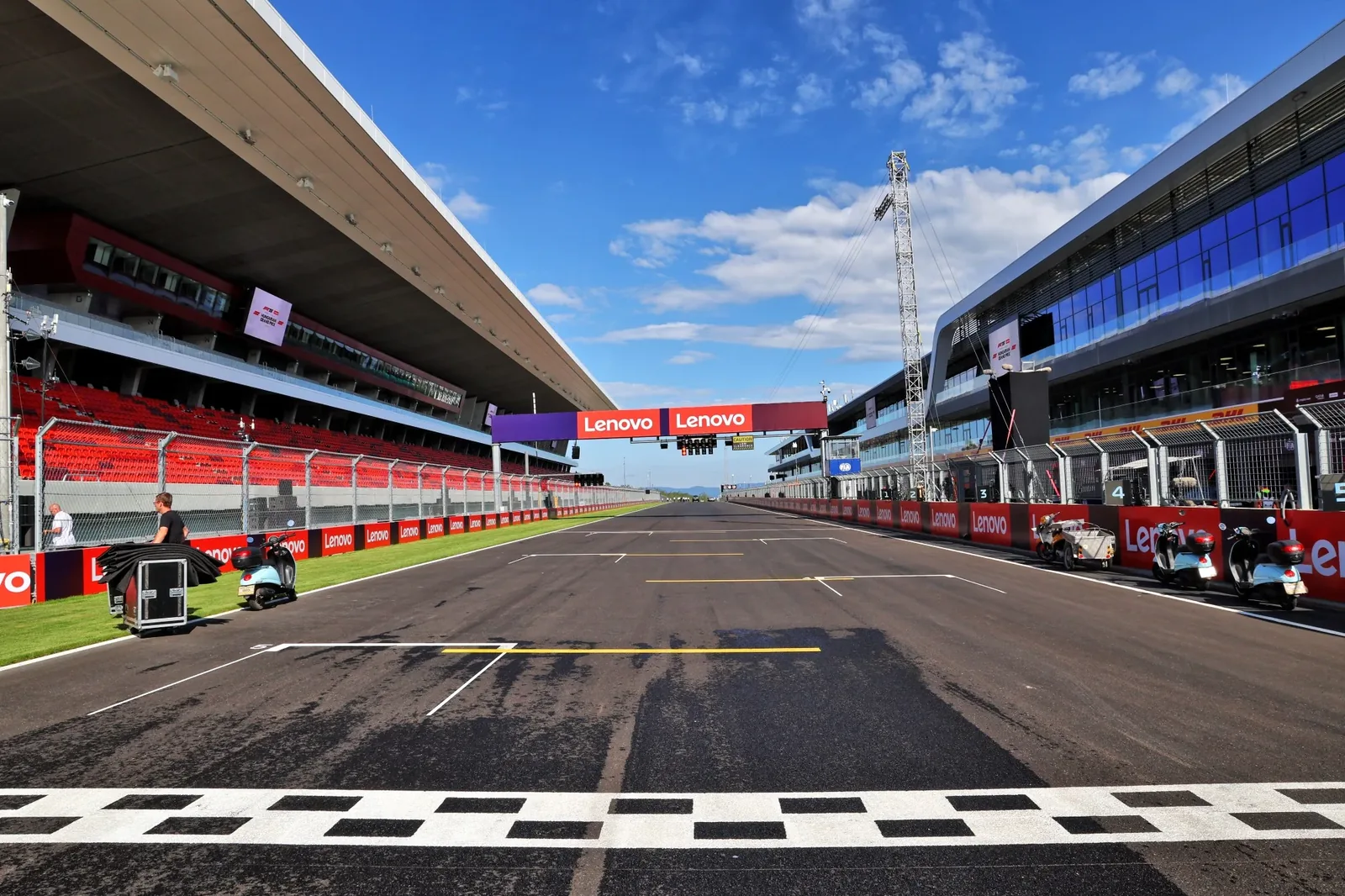
Formula 1 venue since 1986, the Hungaroring combines a sequence of corners, few overtaking opportunities, and high physical demand, making every detail decisive throughout the weekend.
Read more F1: Hamilton reacts after running over Ferrari mechanic during pit stop in Belgium
Present on the Formula 1 calendar since 1986, the Hungaroring is one of the most traditional circuits in the category and remains one of the biggest challenges for drivers and engineers. Located on the outskirts of Budapest, the 4.381 km track hosted the first Grand Prix held behind the then Iron Curtain and has never left the world calendar since.

Although it has undergone small updates over the years, its essence remains practically the same: a narrow, tight track with an almost uninterrupted sequence of corners, where finding a perfect lap in qualifying makes a huge difference to the race result.
The comparison to “Monaco without walls” has accompanied the Hungaroring for decades. The nickname arose because overtaking has always been a complicated task, a consequence of the limited track width and the absence of long straights. Despite the aerodynamic changes recently implemented in Formula 1 increasing wheel-to-wheel battles, the starting position remains one of the most important factors for those wishing to win in Hungary.
This makes qualifying even more important. A small mistake can cost several positions on the grid, while a good lap on Saturday often defines the strategy for the entire Sunday. Not by chance, teams usually direct a good part of their free practice work to finding the ideal balance aiming for a single fast lap.
Another striking aspect is the aerodynamic demand. The Hungaroring uses high downforce setups, similar to those seen in Monaco, since the average speed depends much more on the car’s ability to navigate medium and low-speed corners than on efficiency on the straights. Finding the ideal setup means balancing mechanical grip, stability, and tire preservation throughout the stints.
Read more F1: Wolff hopes that Russell’s «feeling of discouragement» will pass soon
Speaking of tires, this is also often a decisive factor. The high temperatures normally recorded in the European summer increase degradation, forcing drivers and strategists to manage the pace to avoid excessive wear. The undercut often gains importance precisely because overtaking on track is not always a viable option.
The circuit also demands a lot physically from the drivers. The few straights offer little time for rest, while the quick changes of direction require constant concentration throughout the lap. In races held under intense heat, physical wear becomes another element capable of directly influencing performance in the final laps.
In recent seasons, some changes to the design of the first corner and the evolution of the cars have provided a greater number of overtakes, but the main characteristic of the Hungaroring remains intact: winning requires practically perfect precision throughout the weekend.
It is precisely this combination of tradition, technical difficulty, strategy, and constant pressure that makes the Hungarian GP one of the most respected rounds on the Formula 1 calendar. In a balanced championship like 2026, any small detail can be enough to decide the winner in Budapest.
Read more F1: International press highlights Antonelli’s victory at the Belgian GP