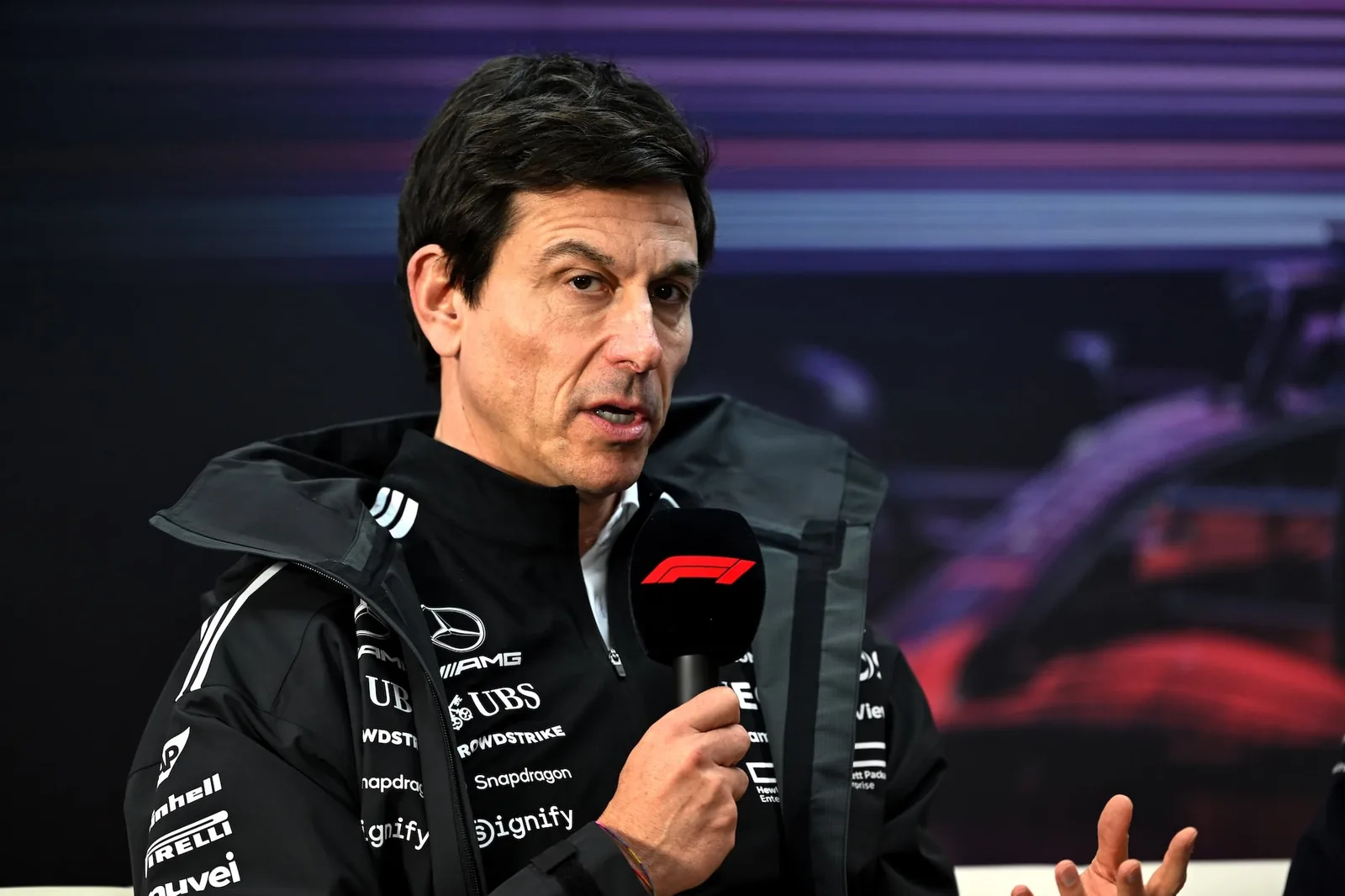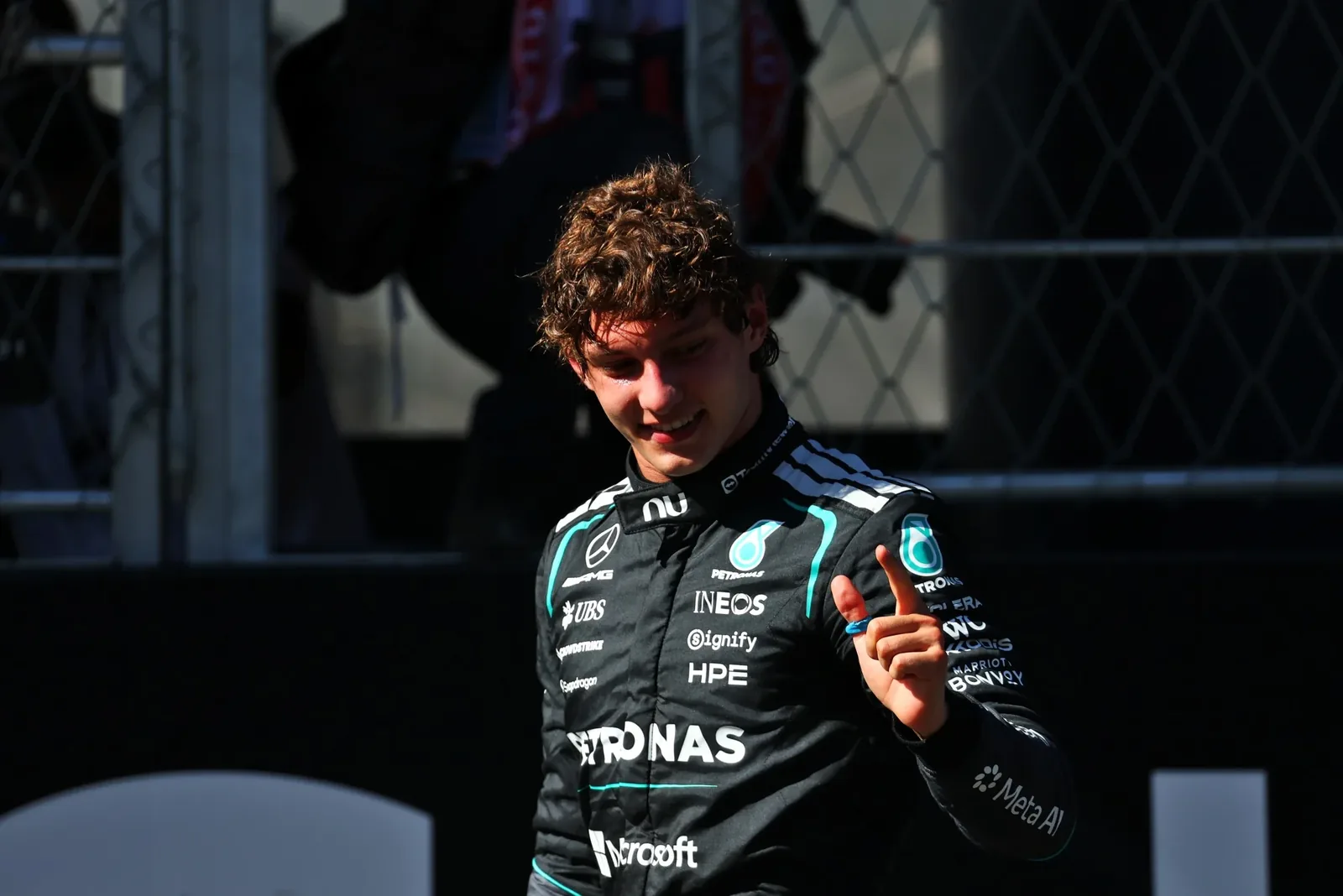








Formula 1 may undergo significant new changes as early as the 2027 season. Williams boss James Vowles revealed that the category is preparing aerodynamic changes considered ‘quite significant’, expanding the package of adjustments that had already been announced for the power unit regulations.
Read more F1: Audi bets on rear update to help Bortoleto at Spa
These statements come amid criticism received by F1 and the FIA throughout the current season. Drivers and teams have questioned various aspects of the rules introduced this year, especially the effects of energy management and the difficulty of attacking over an entire lap.

For 2027, the division between electric power and combustion engine will undergo changes. The current balance of 50% for each side will be replaced by a ratio of 58% for the combustion engine and 42% for the electric part. In 2028, the ratio will change again to 60% and 40%, respectively.
According to Vowles, however, the changes will not be limited to the power unit. The executive stated that important aerodynamic elements will also be reviewed, including the rear wing and parts of the cars’ floor.
“The rules are changing aerodynamically for next year, and these are quite significant changes. There are changes to the rear wing and some areas of the floor. As a result, there won’t be as much continuity as everyone would like, but there is a good reason for this,” Vowles told Sky F1.
Read more F1: Bortoleto finishes 13th in second free practice of the Belgian GP
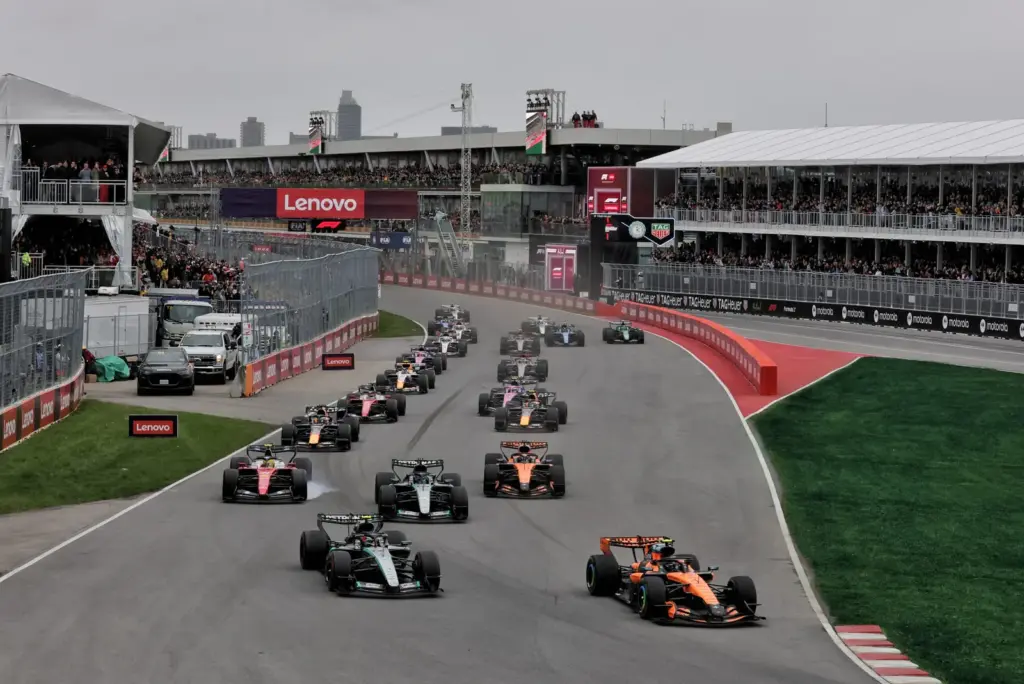
The executive admitted that teams did not expect aerodynamic modifications so soon. Still, he emphasized that he agrees with the direction chosen by the category to improve the spectacle offered to fans.
“This was not expected at the start of this season. I think the direction is right, I agree with what the sport is doing. This will help create a better format, a better spectacle, and goes hand in hand with the power unit regulations,” he added.
Part of the recent criticism involves overtakes influenced by different battery levels between cars, considered artificial by some drivers and observers. For Vowles, the combination of technical and aerodynamic adjustments will help resolve these issues.
When informed that the aerodynamic changes had not yet been officially disclosed, the Williams boss responded with surprise: “Really? I don’t think I said anything that shouldn’t be public. Everyone wants the best possible product for qualifying sessions and races. The races have been great at many moments, but we haven’t reached the perfect product yet. The combination of power unit regulations and aerodynamics will help put the sport in a better position next year,” he concluded.
Read more F1: Antonelli dominates to lead second free practice of the Belgian GP