



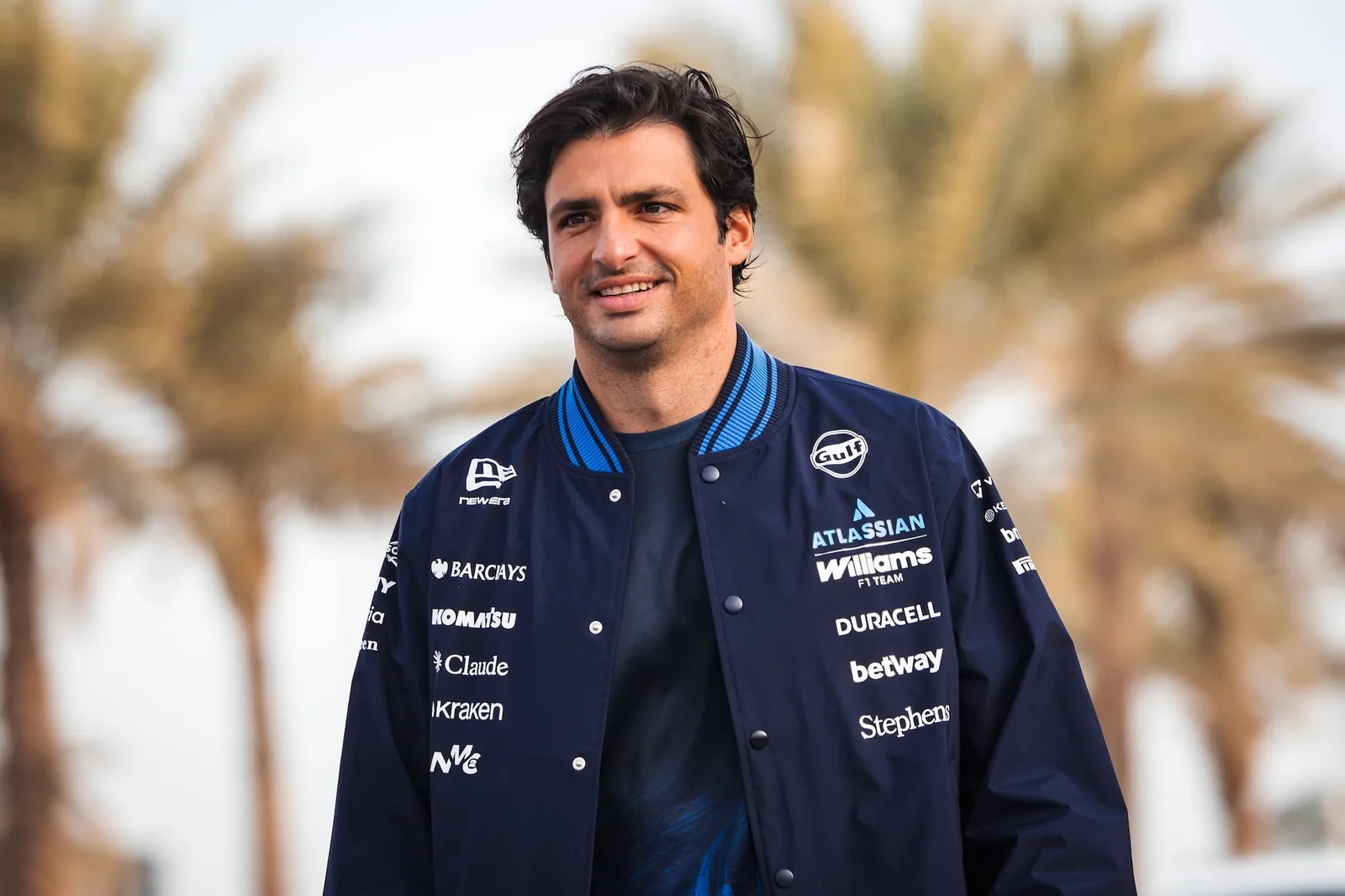
Formula 1 started a new technical phase in 2026, but not everyone is satisfied with the effects of the changes on the track. Carlos Sainz stated that some elements of the current regulations do not reflect the traditional DNA of the category and advocated for adjustments to the rules.
Read more F1: Cadillac reveals Herta rejected Red Bull contract
The Williams driver has been one of the most critical names of F1’s new technical cycle, which brought completely different cars and power units. For him, although teams naturally evolve throughout the season, the category also needs to act through regulatory changes.
The main transformation this season is in the power units, which now use a 50/50 split between combustion and electric energy. This balance has significantly changed the way drivers handle the cars during laps.
According to Sainz, the new reality has completely changed behavior on the track. Instead of keeping the throttle wide open throughout the lap, drivers need to downshift at the end of straights to recover battery energy.
Additionally, cars end up taking some corners at lower speeds, while overtaking opportunities have come to depend directly on the battery energy cycle. The use of modes like boost and overtake mode has also added more complexity to the competition.
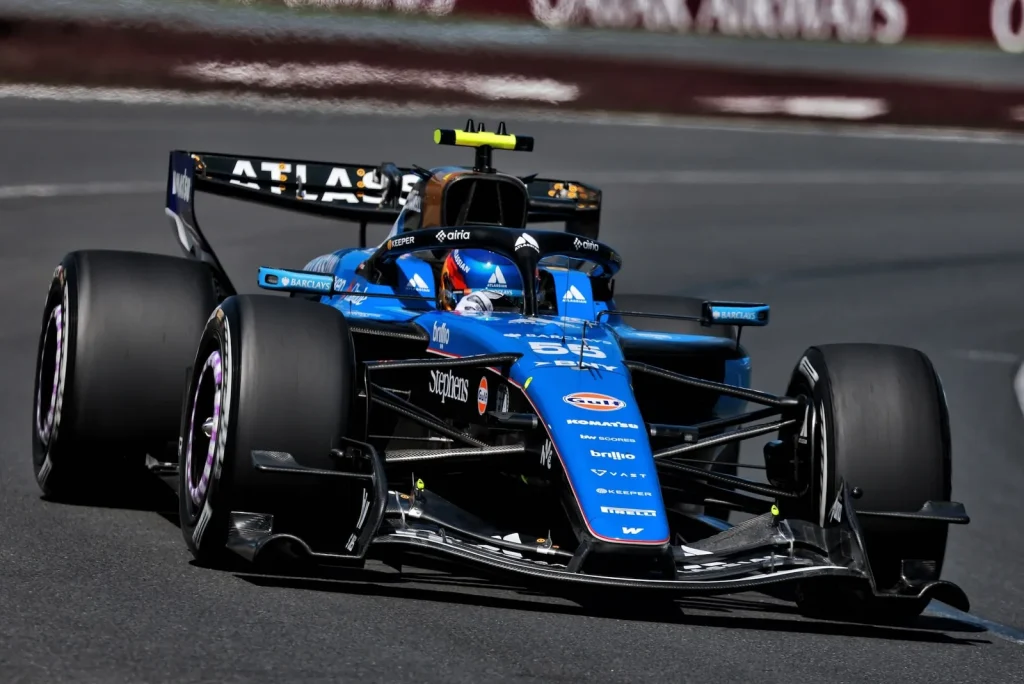
The Australian GP was the first practical example of the new rules. During the race, George Russell and Charles Leclerc engaged in an intense battle for the lead in the opening laps, with the lead changing hands eight times in just 12 laps.
Despite the spectacle on the track, part of the paddock assessed that the battle was heavily influenced by energy management. The level of battery available at each moment was decisive in determining who was in front.
Sainz believes that the natural evolution of the teams will help improve the spectacle over time. However, he argues that Formula 1 also needs to act to correct aspects of the regulations.
“There will certainly be a combination of engine development, software development, and team evolution that will improve the situation,” the driver said. “But development can only take things so far, and we also need help from the rules.”
Read more Ocon compares 2026 F1 cars to those of 2016 and points out positive aspects
The Spaniard stated that the current format does not fully represent the essence of the category. For him, the concept chosen for the new technical era needs adjustments to get closer to what traditionally defines Formula 1.
Asked about what exactly he would like to see differently, Sainz pointed out three main points. One of them is the reduction in top speed in the middle of the straights, caused by the need to manage battery energy.
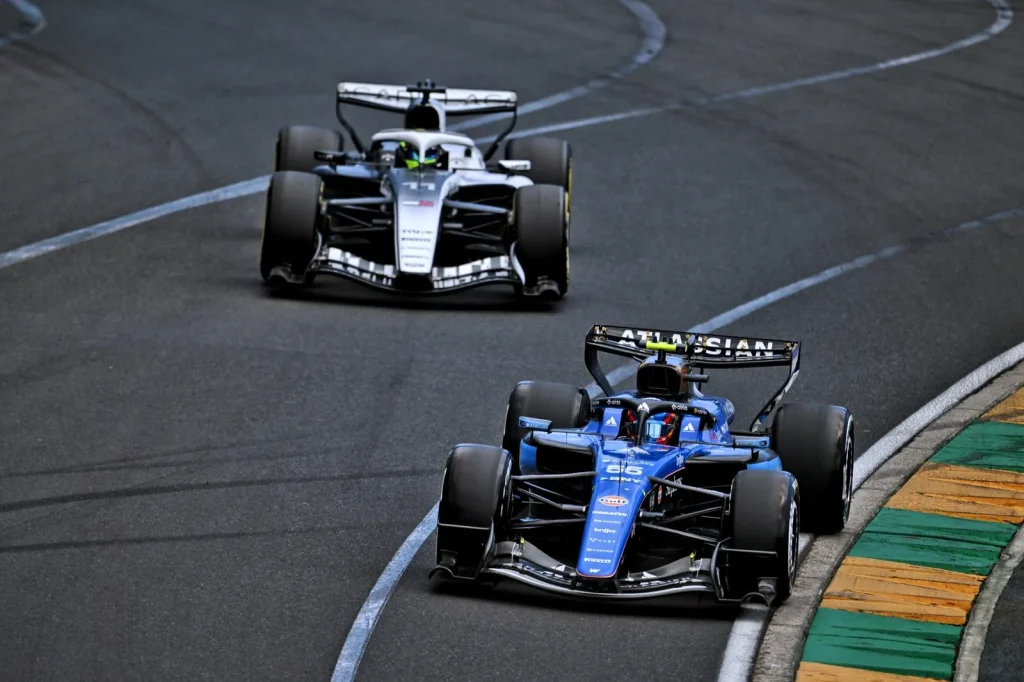
“I don’t like seeing the top speed drop in the middle of the straight and losing 30 or 40 km/h in the middle of a qualifying lap,” he stated. “I also don’t like having to lift off in the middle of a qualifying lap.”
Another point criticized by the driver is the current format of overtaking. In his view, the speed difference generated by the combined use of boost and overtake mode can reach around 60 km/h.
For the Spaniard, this creates unnatural maneuvers. “Overtaking this way, as if the other car were stationary, is not a real Formula 1 overtake,” he said.
Sainz believes that energy should only help the driver get close to the opponent. The completion of the overtake, according to him, should depend more on braking skill or the execution of the maneuver.
“For me, the DNA of the sport is putting the car in a position to attack and finishing the overtake with good braking or a nice switchback,” he concluded.
Read more F1: China opens first Sprint of 2026 with new FIA rule