








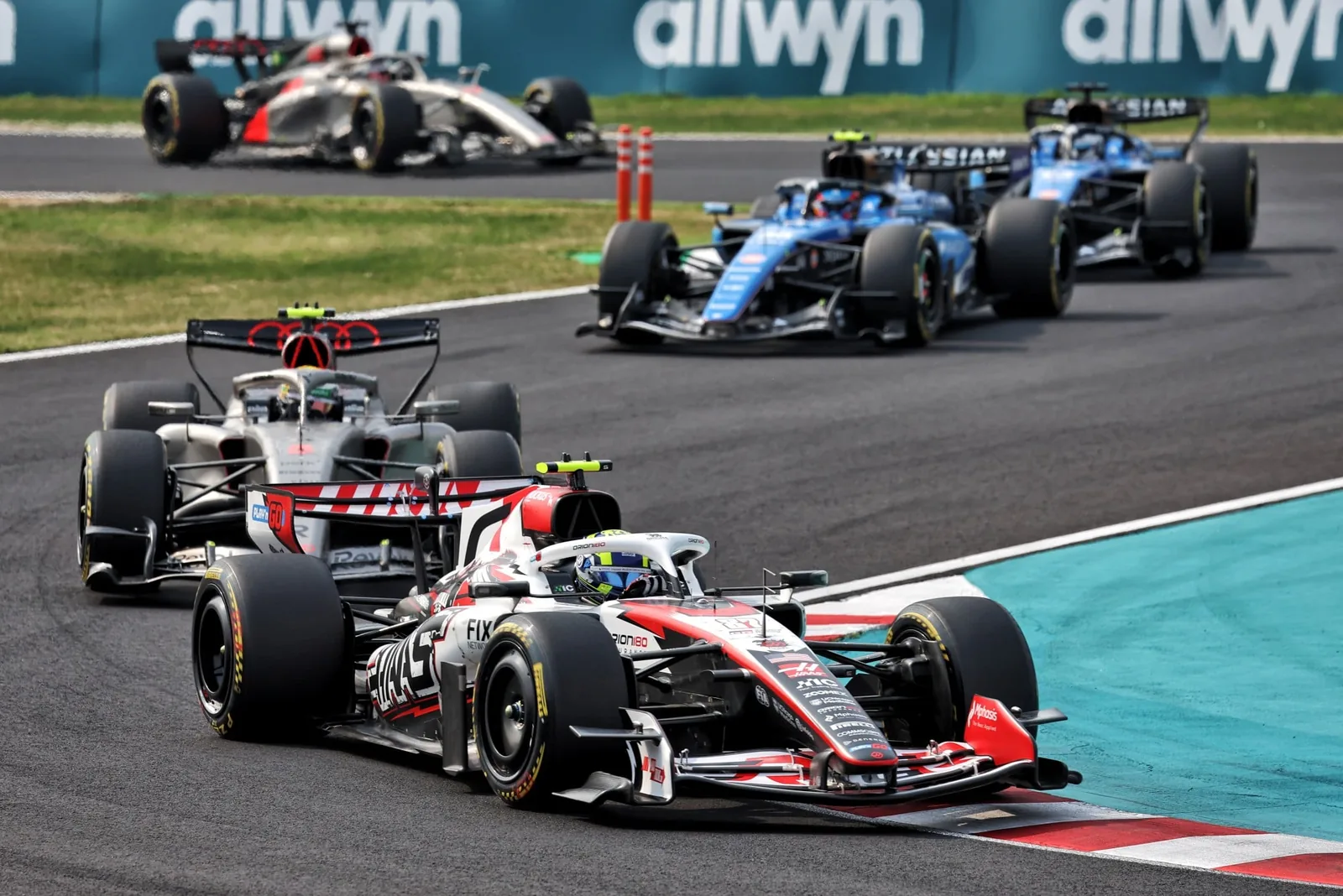
The Miami GP may bring extra difficulties for Formula 1 customer teams if changes to power unit regulations are approved and applied immediately. The changes have been discussed since the break after the Japanese GP.
Read more F1: Former FIA director defends Masi and criticizes decision after 2021 Abu Dhabi GP
The challenge increases because of the weekend format, which will have a sprint race and only one free practice session (FP1) before the sprint qualifying. This reduces the time available for adaptation and puts extra pressure on the teams, especially the customer ones, which tend to have a harder learning curve than factory teams.
Hoagy Nidd, Haas car engineering chief, explained that the changes are mainly driven by power unit suppliers. “With the changes in energy management, this is something that is more managed by our power unit partner, and they will present a strategy based on that,” he said. He highlighted that software adjustments will be necessary and that some deadlines have been postponed to facilitate testing and implementation.
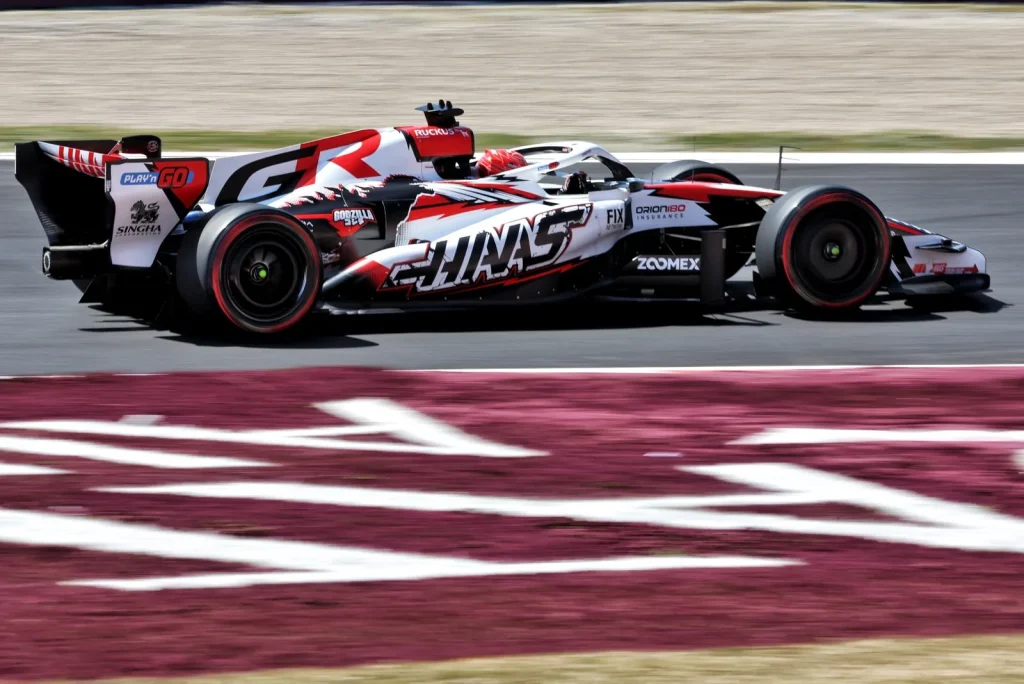
After that, the teams will have more work to understand the impact of the changes on performance. “We need to dedicate a bit more time to understand what the changes mean and how this will affect the performance of our car,” he stated.
Read more F1: Domenicali responds to Verstappen’s criticism of 2026 rules
Nidd also noted that FP1 in Miami should have different priorities than usual, with more focus on software testing and energy strategies. “You will probably see teams doing slightly different things in this FP1 session than they would normally,” he said. According to him, activities like basic adjustments and tire analysis will share space with system tests such as energy management, overtaking, and start procedures.
The engineer also emphasized that customer teams face natural disadvantages in this type of change, as they depend on the manufacturers’ work. “Obviously, as a customer team, you are always the receiver of this,” he said, highlighting that access to simulations and development is greater in factory teams.”
Nidd also commented that Haas’s participation in the discussions about the changes was limited and that alignment with Ferrari is essential: “We need to ensure that what we want is aligned with what they want,” he said, reinforcing that this is an ongoing process throughout the season.
Read more F1: South Korea begins process to attempt return to the category