






Mercedes evaluated the unfolding of the 2026 Formula 1 season and pointed out that in the race for car development, it will be at a disadvantage compared to the rivals on the grid.
Read more F1: Ukraine denounces Russian federation to FIA ethics commission
The German team started the championship dominantly, winning eight of the first ten races on the calendar. However, with the development of the rivals, they are starting to catch up – McLaren won the last two stages in Hungary and the Netherlands.

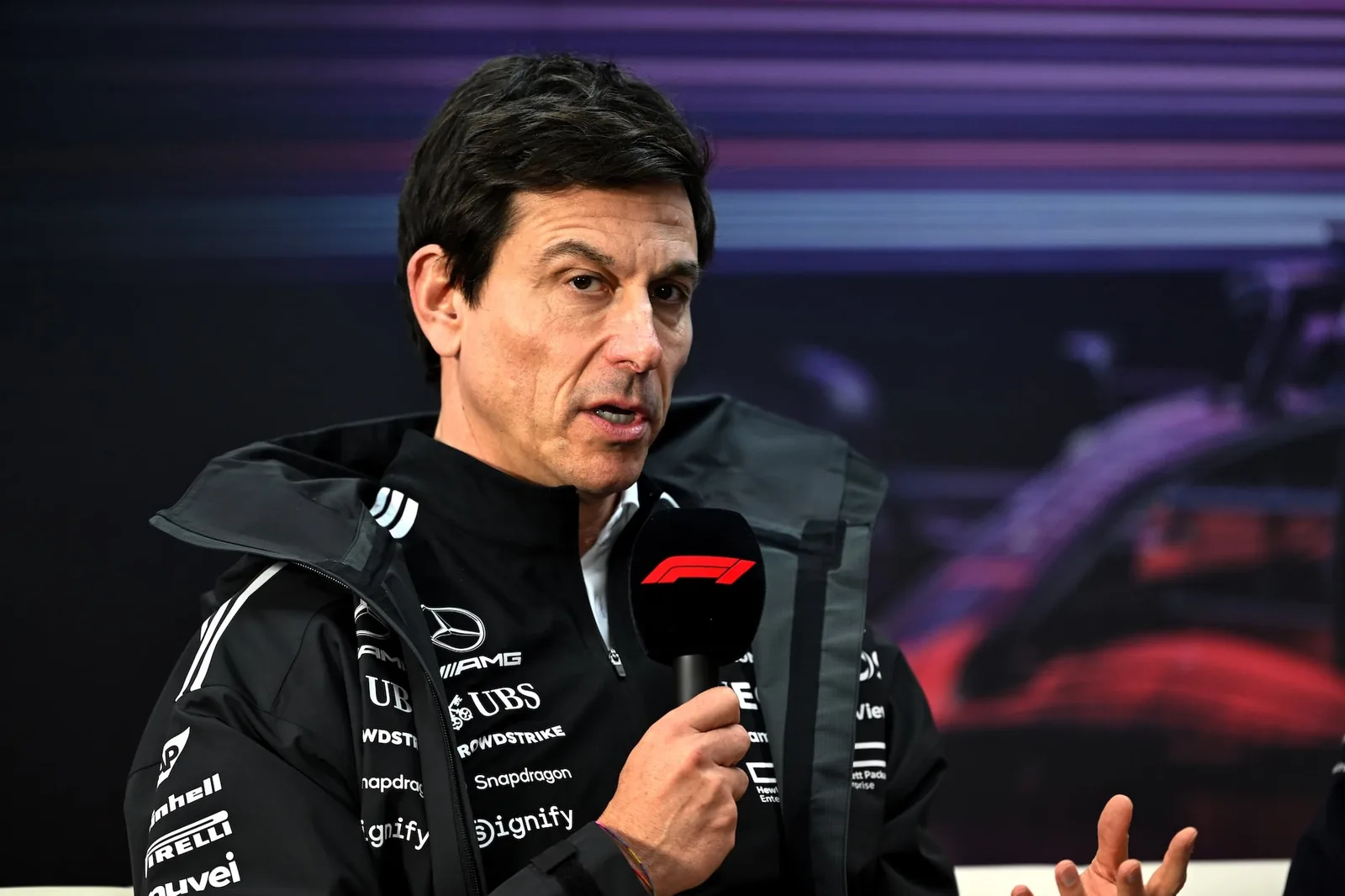
Andrew Shovlin, Mercedes’ track engineer in F1, explained that the team should produce fewer upgrade parts compared to other teams – Toto Wolff has already explained the situation regarding the resource limitation of the budget cap.
“Throughout the season, we will probably produce one floor and one bodywork package less than the other teams. It would be possible to introduce new parts at every race if there were funds to manufacture them, perhaps resorting to third-party capacity. The main limitation is cost,” he explained.
“We would be concerned if the performance gap exceeded the gains we already see ready to come out of the wind tunnel. That is not the case. We are reasonably confident that much of the current scenario is due to the upgrade schedule, although Zandvoort also left the doubt whether we are extracting the maximum from the car,” he added.
Read more BMW explains main reason for not getting involved with F1: «It doesn’t fit»
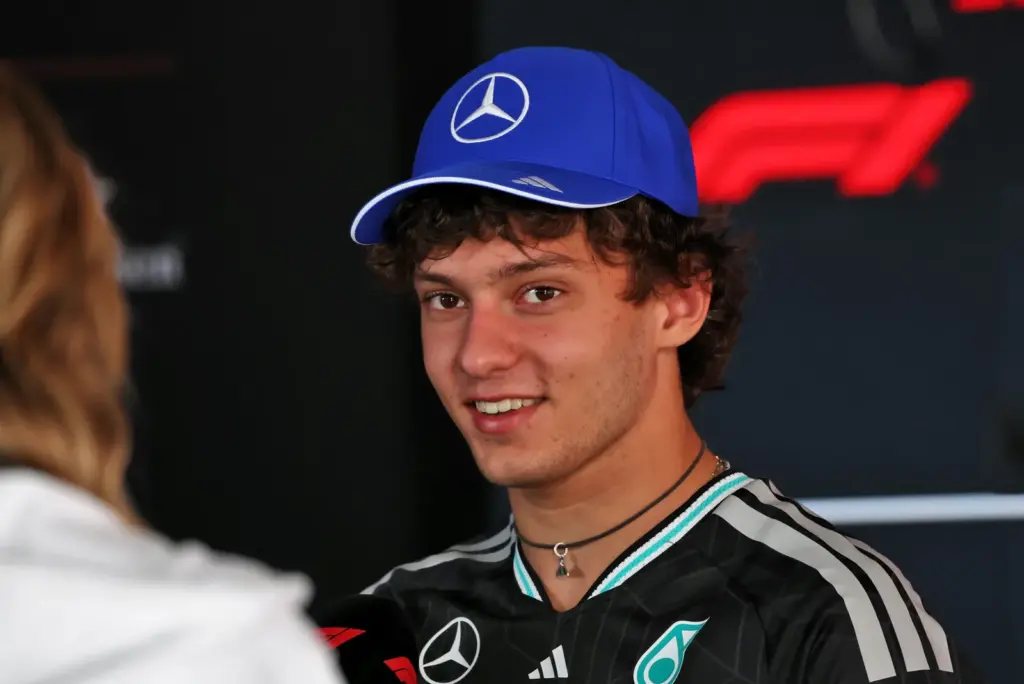
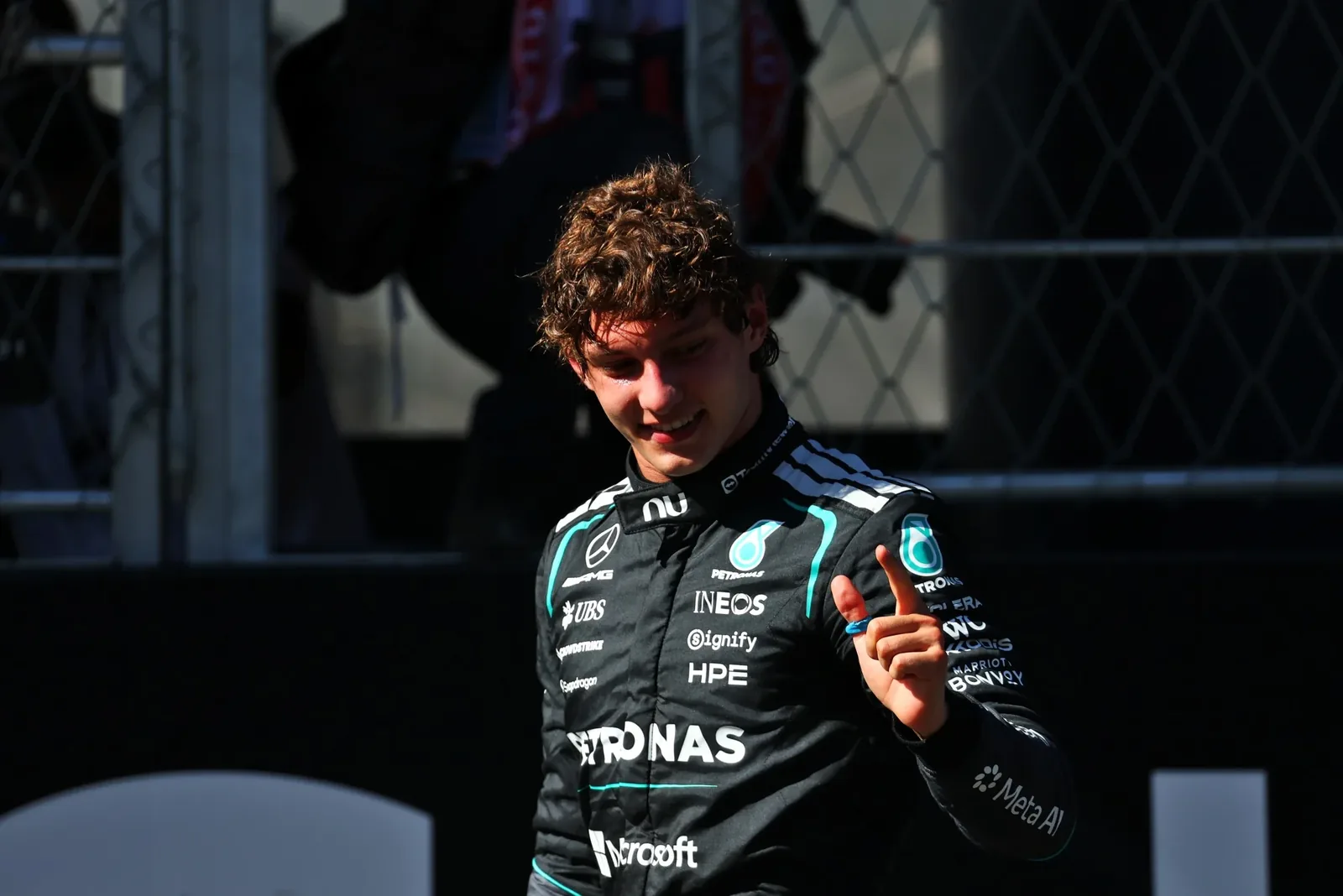
Also, Bradley Lord confirmed Kimi Antonelli’s penalty for the Italian GP, expecting the home driver to start from the back of the pack, not just lose ten positions on the grid. “For Monza, we expect him [Antonelli] to start from the back of the grid. It is also likely that George will need an additional set of components at some point. This reflects the reliability issues that occurred at the start of the season,” he said.
“We have regretted accepting penalties at Monza in the past. Degradation is usually low, cars run with low drag, thus generating less slipstream, and the effect of DRS is limited since the rear wings are already very efficient. This year, however, Monza is a circuit with low energy demand and four overtaking zones. A driver cannot defend in all of them; therefore, a faster car should be able to advance relatively easily.”
“The main factor is the timing when the equipment is needed. We have already lost internal combustion engines with relatively low mileage, so we know we need to introduce new components up to a certain point. If this coincides with a stage where starting at the back would be particularly costly, we may choose to anticipate the change,” he continued.
“We also lead both championships; therefore, it makes sense to take this hit now, rather than increase pressure if the margins become tighter later in the season,” he concluded.
Read more MotoGP: Bezzecchi appears at the end and leads the last Friday practice in Aragón