
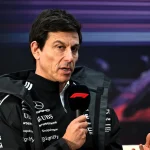



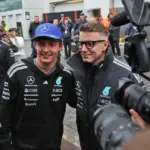

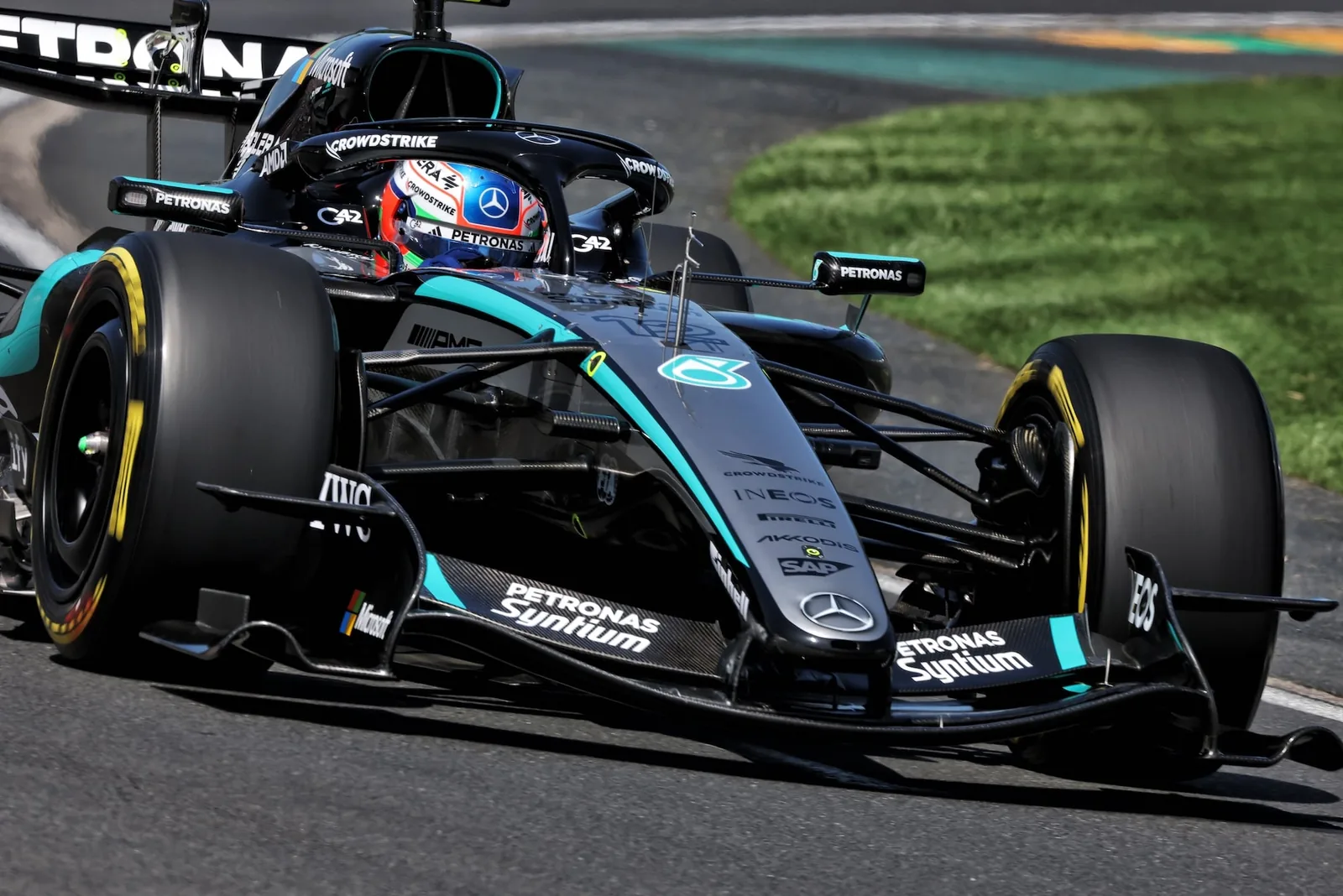
Mercedes believes it ended the first Friday of free practice sessions of the 2026 Formula 1 season, for the Australian GP, with important learnings after a challenging start for its drivers Kimi Antonelli and George Russell.
Read more F1: Ferrari drivers evaluate positive start in Melbourne
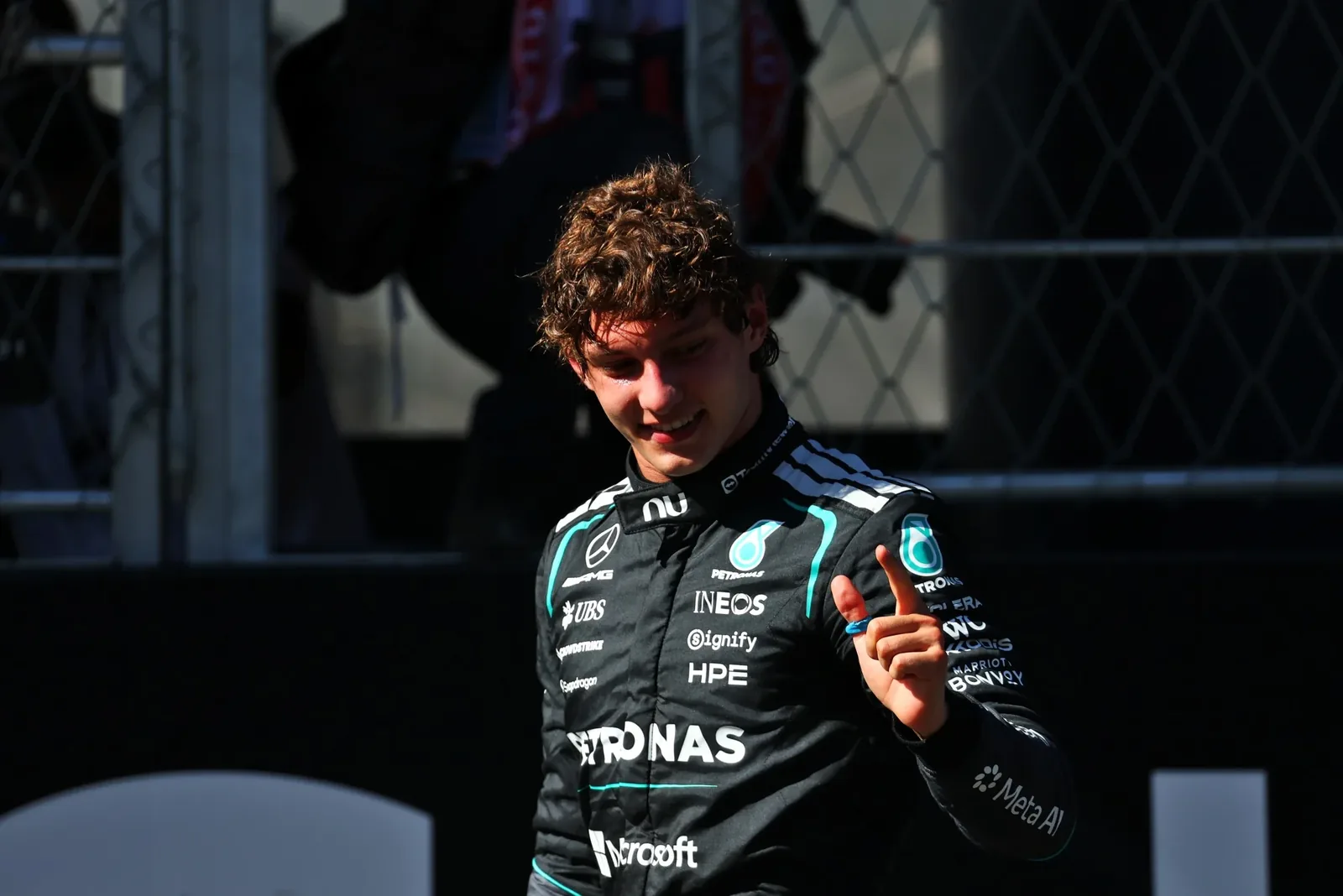
Antonelli highlighted the morning’s difficulties but praised the progress in the second session: “It was a difficult start in FP1, where we had to focus mainly on improving battery usage. This left less time to work on the setup, and the car’s balance wasn’t great, with a lot of understeer. We worked hard between sessions and had a much stronger FP2. I’m looking forward to the rest of the weekend. We hope to be competitive at the front, but everyone is learning with every session and every lap, so what is true now might not be tomorrow. We will keep pushing to extract the maximum from the car and see where that leaves us for the qualifying session and the GP,” the young driver concluded.
Russell reinforced the challenges faced at the weekend’s opening: “We didn’t have the smoothest Friday of the season. FP1 was tricky as we were struggling to optimize battery energy harvesting and usage, which took up most of our attention. When we were able to focus on the setup, the car had a lot of understeer, and we didn’t have time to complete a long race run. Fortunately, we made positive progress in FP2, with the car more consistent and good flying laps and ‘long runs’. This puts us in a reasonable position for the rest of the weekend. The front of the grid is very competitive, and we will need to evolve overnight to fight for pole position,” he added.
Read more F1: Colapinto escapes penalty for FP2 incident in Melbourne
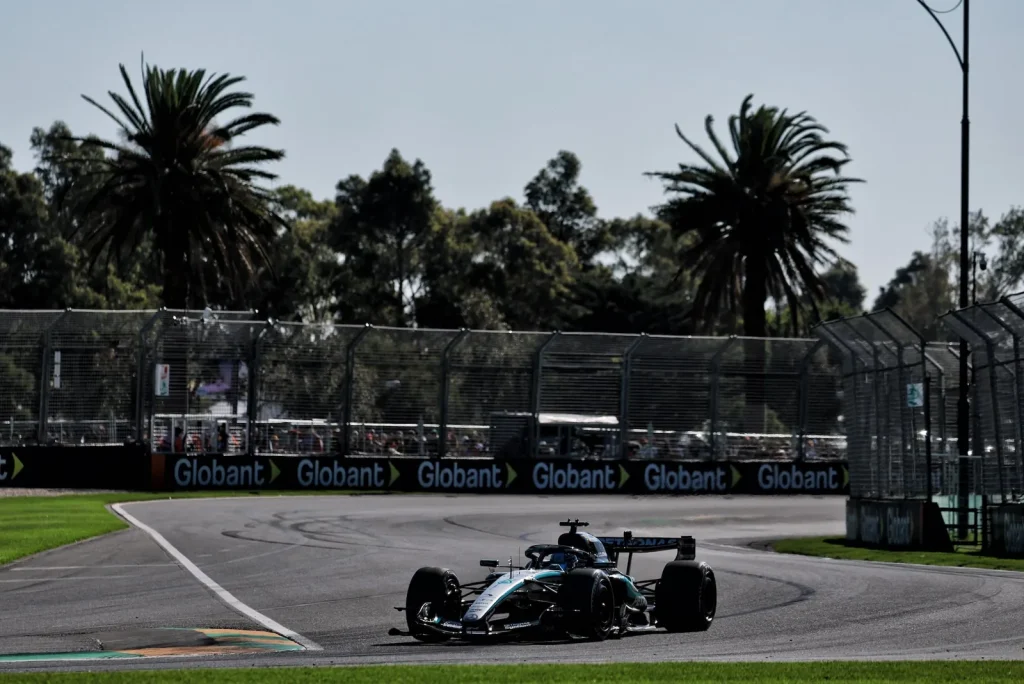
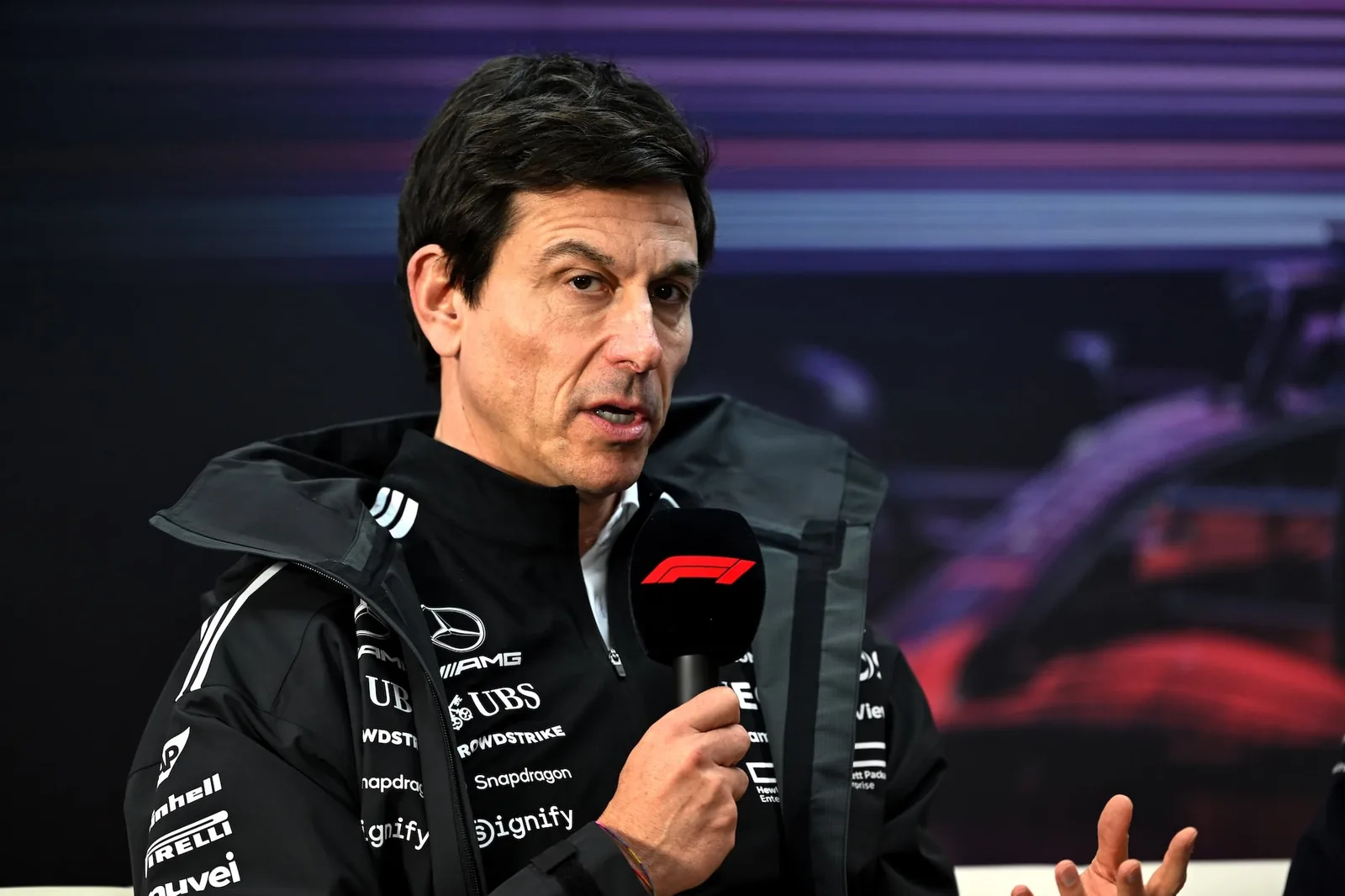
Mercedes Trackside Engineering Director Andrew Shovlin evaluated the team’s performance in Melbourne: “The day ended in a reasonable position, but our first session was quite tricky. We had some power unit configuration issues that took a few laps to resolve. Additionally, the car’s balance wasn’t good for either driver, which affected cornering speeds and, consequently, energy usage. We managed to recover well for FP2. The power unit worked as expected and the car responded better after some setup changes. We completed a solid program, including good ‘long runs’, which provided us with important information for Sunday’s race. There are still areas to evolve overnight, but we hope to find more pace to get a good result in the qualifying session,” Shovlin concluded.
Read more F1: Alonso sees «big challenge», but highlights the work of ‘everyone’ at Aston Martin