





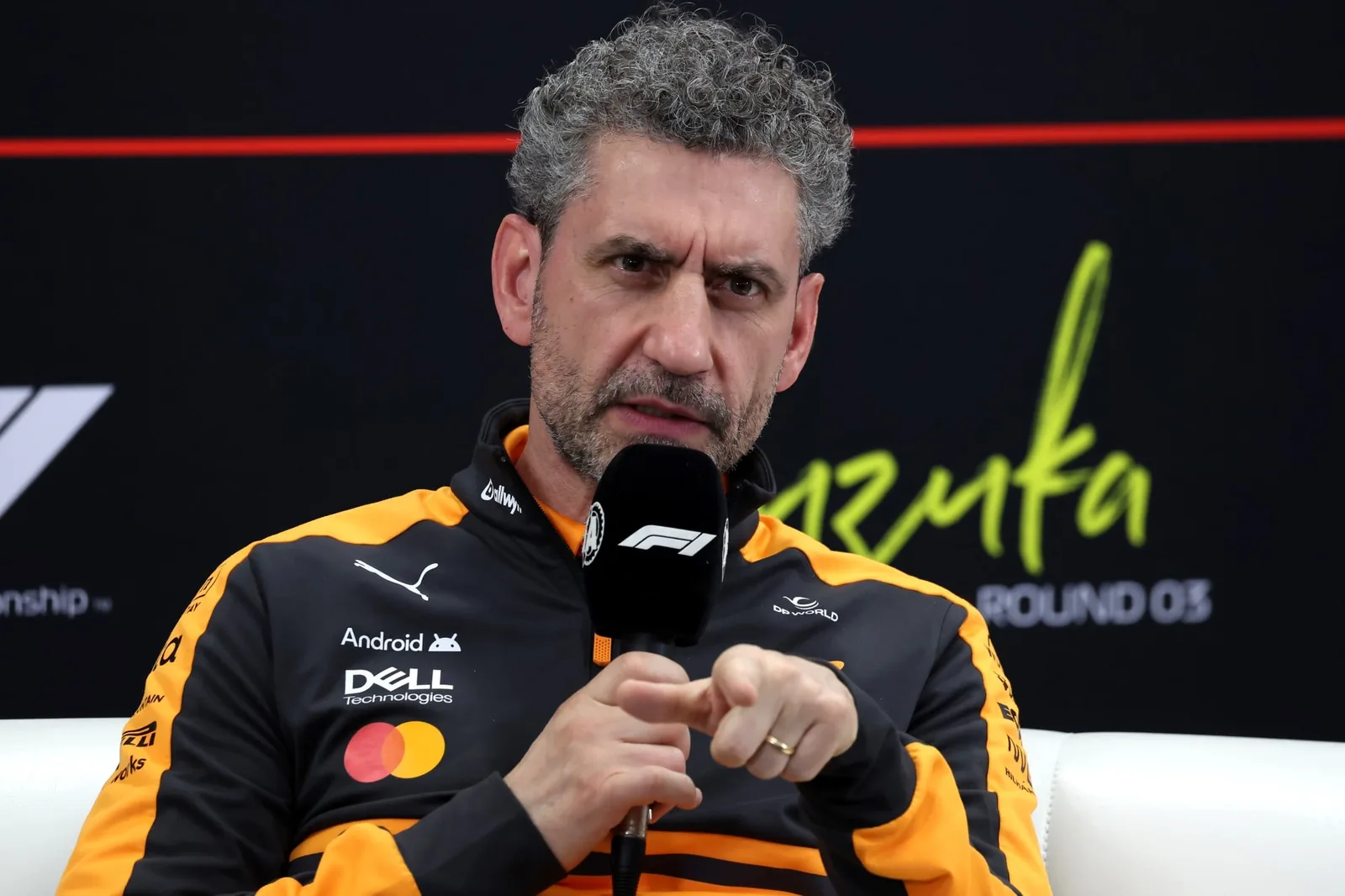
McLaren has confirmed that its new active rear wing concept was approved after tests conducted at the Hungarian Grand Prix in Formula 1. According to team principal Andrea Stella, the component passed mechanical and aerodynamic evaluations and is expected to debut in future races, although it was not used in the race held at the Hungaroring.
Read more Analysis: The questions that will define the rest of the 2026 F1 season (part 1)
The new design was taken to the track during TL1 in Hungary, where the team collected data to compare the behavior of the part with previously conducted simulations. According to Stella, the results met expectations, allowing the solution to receive final approval for use in future stages.

“It was a complicated project, which was no surprise,” Stella told PlanetF1. “It was a positive approval of this concept, and now we hope to introduce it in some of the upcoming races.”
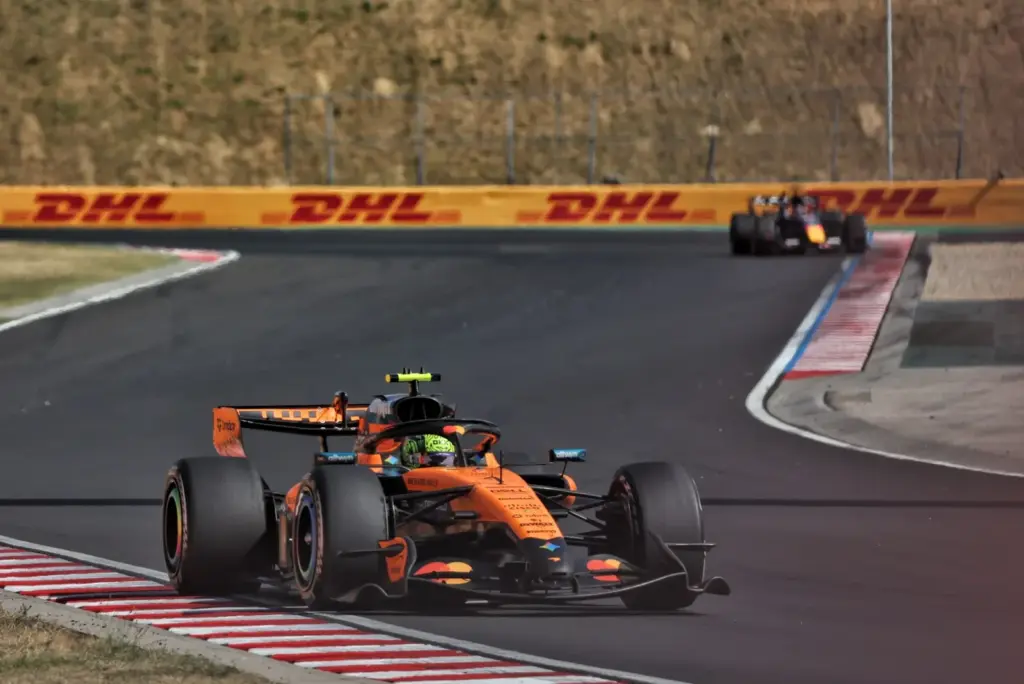
McLaren is the third team to develop its own version of the so-called rotating rear wing, a concept pioneered by Ferrari and later adapted by Red Bull. The system changes the position of the upper flap when the low-drag mode is activated, reducing aerodynamic drag and improving efficiency on straights.
While Ferrari’s solution rotates the flap backward, McLaren’s concept rotates it forward, in a manner similar to that adopted by Red Bull. According to Stella, one of the biggest challenges of the project was controlling the reestablishment of airflow when the wing returns to its original position, as the FIA sets specific rules for the system’s activation time.
Read more F1: Lawson makes request to Racing Bulls after good Hungarian GP: «Maintain this performance»
The director also downplayed the importance of the wind tunnel in this type of development. “I don’t think the wind tunnel is a determining factor to understand aerodynamic behavior during this airflow reestablishment process. It is possible to use other tools, but in such complex projects, the most important thing remains what we observe on the track,” he explained.
Stella added that real-condition testing was essential to validate the component. “It was important to get data on the track, because we would never rely solely on the wind tunnel in such a delicate project,” he concluded.
According to the publication, high-speed circuits like Monza and Baku are among the most likely candidates for the debut of the new rear wing in race conditions.
Read more F1: Vasseur defends Hamilton after series of penalties in the season