







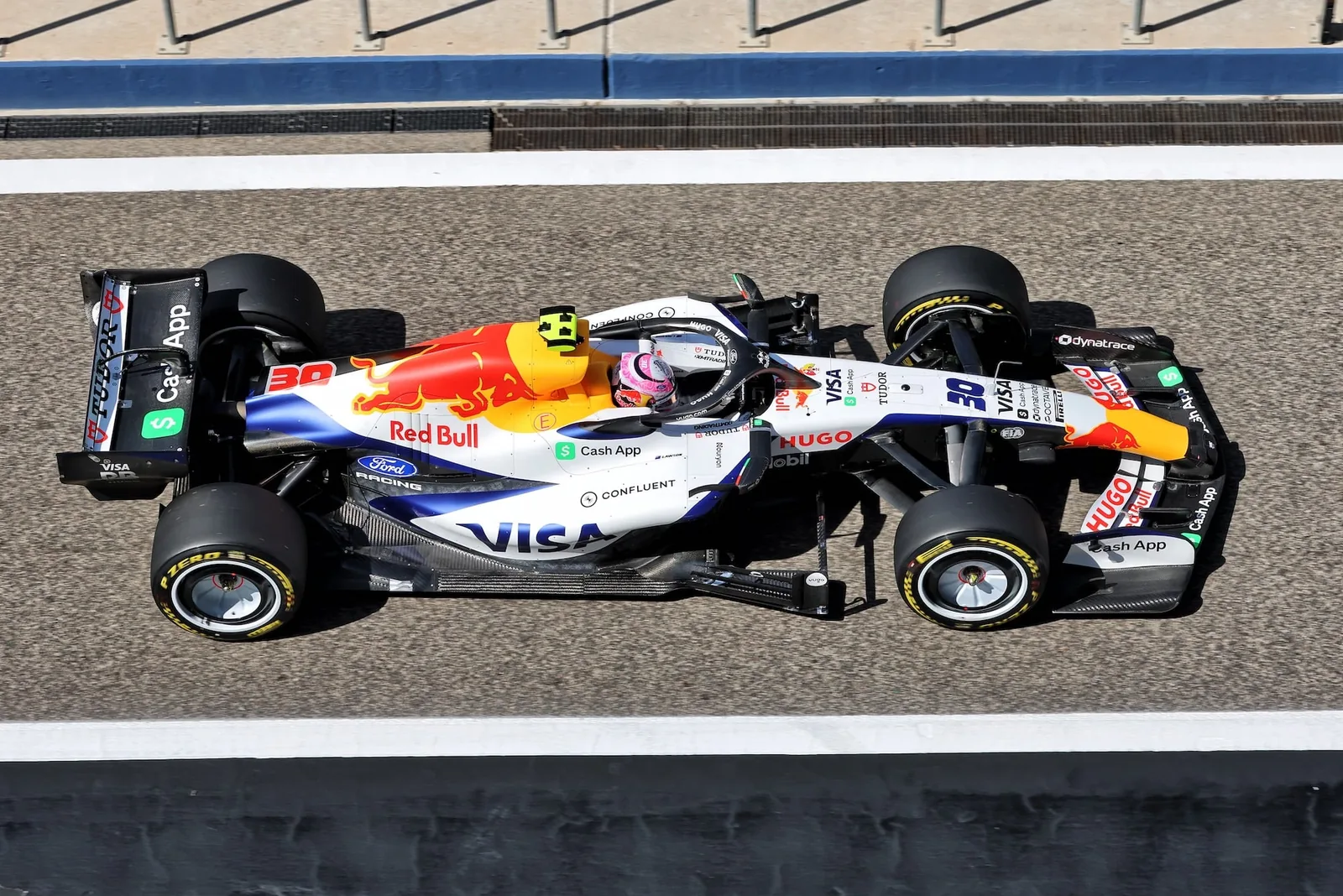
Formula 1 still faces significant challenges with car energy management in the 2026 season, and Liam Lawson believes that recent changes may allow races with drivers pushing the limits more frequently. The Racing Bulls driver stated that teams are dealing with a complex scenario throughout the weekends, especially due to the rapid evolution of the tracks.
Read more F1: Sainz sets the first lap on the Madrid circuit
Changes were implemented at the Miami GP to ease concerns observed in the first three stages of the season. Among the new features, cars are now allowed to use the ‘superclip’ up to the maximum battery charge of 350 kW, while the total recovered energy was reduced from 8 MJ to 7 MJ.
Furthermore, Formula 1 is already considering new modifications for 2027, including a review of the power split between combustion engines and batteries, currently set at 50% for each system. Lawson explained that teams need to constantly adapt how they use energy during the weekend because of changing track conditions.
“Car setup is important and always will be, but there is a lot of lap time in getting energy management right on each track,” said the New Zealander. According to him, this aspect has been one of the main areas of focus for teams at the moment.
Read more F1: Mercedes and McLaren anticipate intense duel in Canada

Lawson also expressed hope that the situation will improve as the category evolves the regulations and makes new technical adjustments: “As the season progresses and we make changes, I hope this decreases, and we can reach a position where we can push to the limit without this kind of situation, but right now this is still a very big part of our focus,” he added.
The driver explained that the track evolution throughout the weekend significantly alters the cars’ energy consumption. As the asphalt gains more grip and drivers carry more speed through the corners, the energy demand increases considerably.
“During the weekend, as the track gets faster, we start carrying more speed through the corners and use more energy. So, from FP1 to qualifying, there is a big evolution, and what we imagined doing with energy management ends up changing throughout the weekend,” the Racing Bulls driver concluded.
Read more F1: Canadian GP faces extreme cold, but circuit is ready on time