








Formula 1’s new rules have once again become the target of criticism, and an engineer who has already worked in the category presented a possible solution to reduce the problems observed in current races. The main concern involves the impact of the new battery, which has altered the driving style and generated situations considered artificial on the track.
Read more F1: Russell says he is not worried about Antonelli’s championship lead
With the new generation of power units, about 50% of the total power comes from electrical energy, but this resource cannot be used continuously. As a consequence, drivers need to adopt a driving style considered unnatural to maximize performance, which has caused a loss of speed at the end of long straights when the battery runs out.
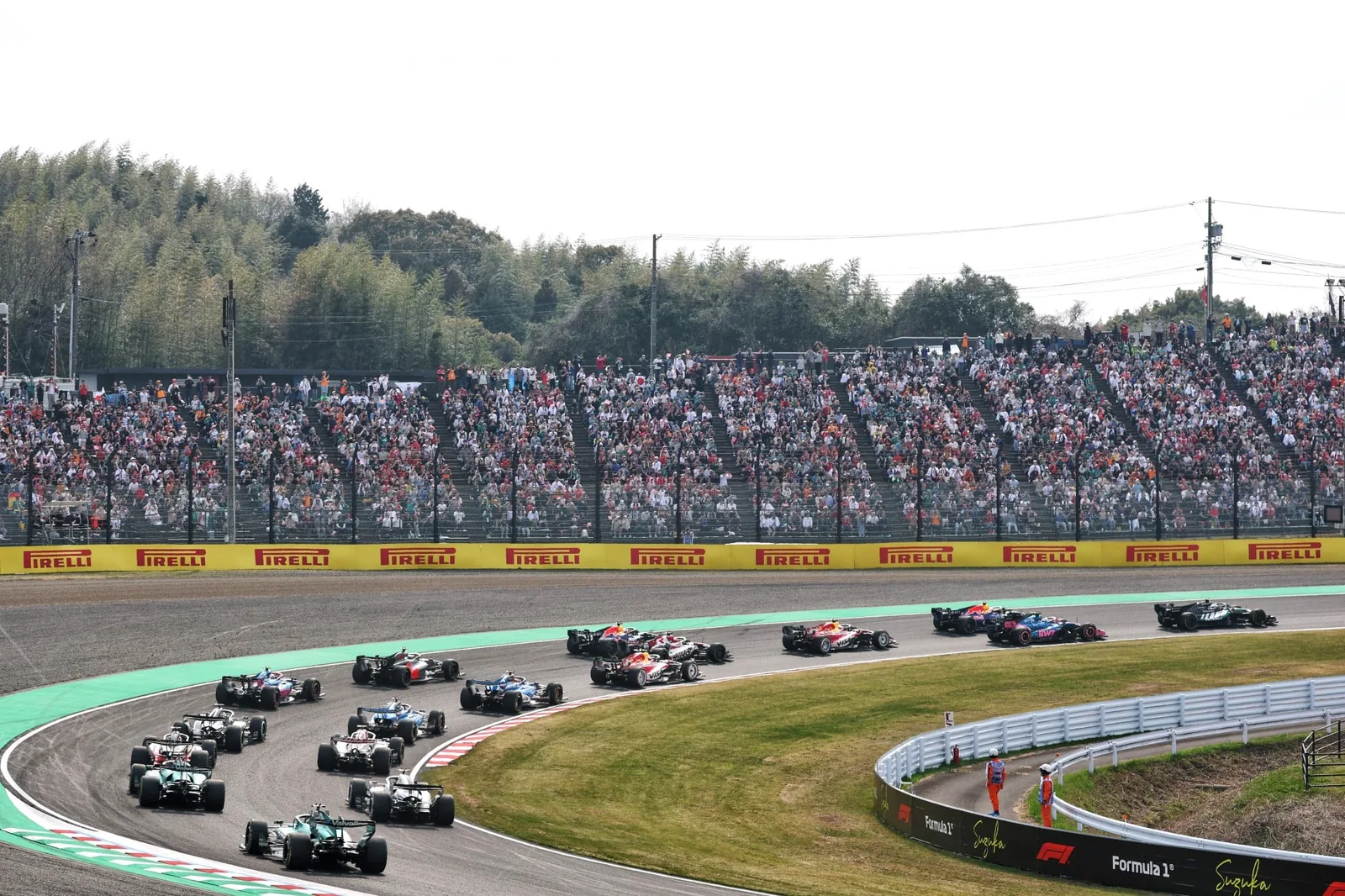
This behavior also directly influences overtaking, which has come to depend on the amount of energy available. The FIA even tested a small change at the Japanese GP, reducing the energy available on fast laps in the qualifying session from 9MJ to 8MJ, but the change was not enough to eliminate the criticism.
Given the scenario, former F1 engineer Antonio Cuquerella presented a proposal based on simulations. The Spaniard, who worked for teams such as Super Aguri, BMW Sauber (now Audi), HRT, and Ferrari, used the Miami International Autodrome as the basis for his tests.
In the simulation with the current rules, the cars showed a significant loss of performance on the two longest straights of the circuit, between turns 8 and 11 and between turns 16 and 17. The speed reduction would occur as early as halfway down the straights, with a total of 230 meters of performance loss, a scenario similar to that observed in Suzuka.
Read more F1: Verstappen’s mother-in-law reacts after Hill’s criticism
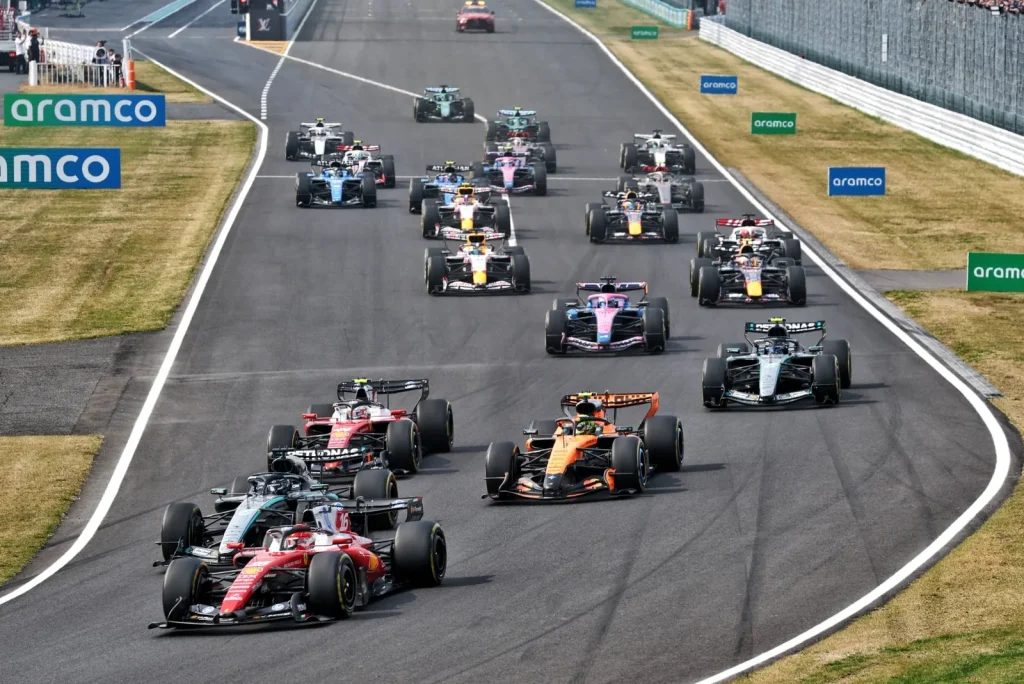
Cuquerella then tested different combinations, changing maximum battery power, recharging capacity, and power transition speed. After seven simulations, two configurations completely eliminated the problem, and one of them was considered the most balanced in terms of safety and performance.
The final proposal reduces the maximum battery power from 350 kW to 200 kW, changing the split between the combustion engine and electrical energy from 50/50 to 64/36. Additionally, the maximum energy capacity would be reduced from 9 MJ to 6 MJ, while the transition speed would drop from 100 kW/s to 50 kW/s.
According to this analysis, the solution would bring advantages such as the elimination of so-called ‘superclipping’, greater safety, maximum speed reached at the end of the straights, and more natural racing, with less need to save energy. On the other hand, there would be disadvantages, such as lower top speed, slower acceleration, and an estimated loss of 1,4 seconds per lap in Miami.
The proposal is seen as a possible balance between performance and race quality. It remains to be seen whether the FIA, Formula 1, and the teams will adopt similar measures in the coming weeks.
Read more F1: Wolff reveals curious reaction to Antonelli’s arrival at the team