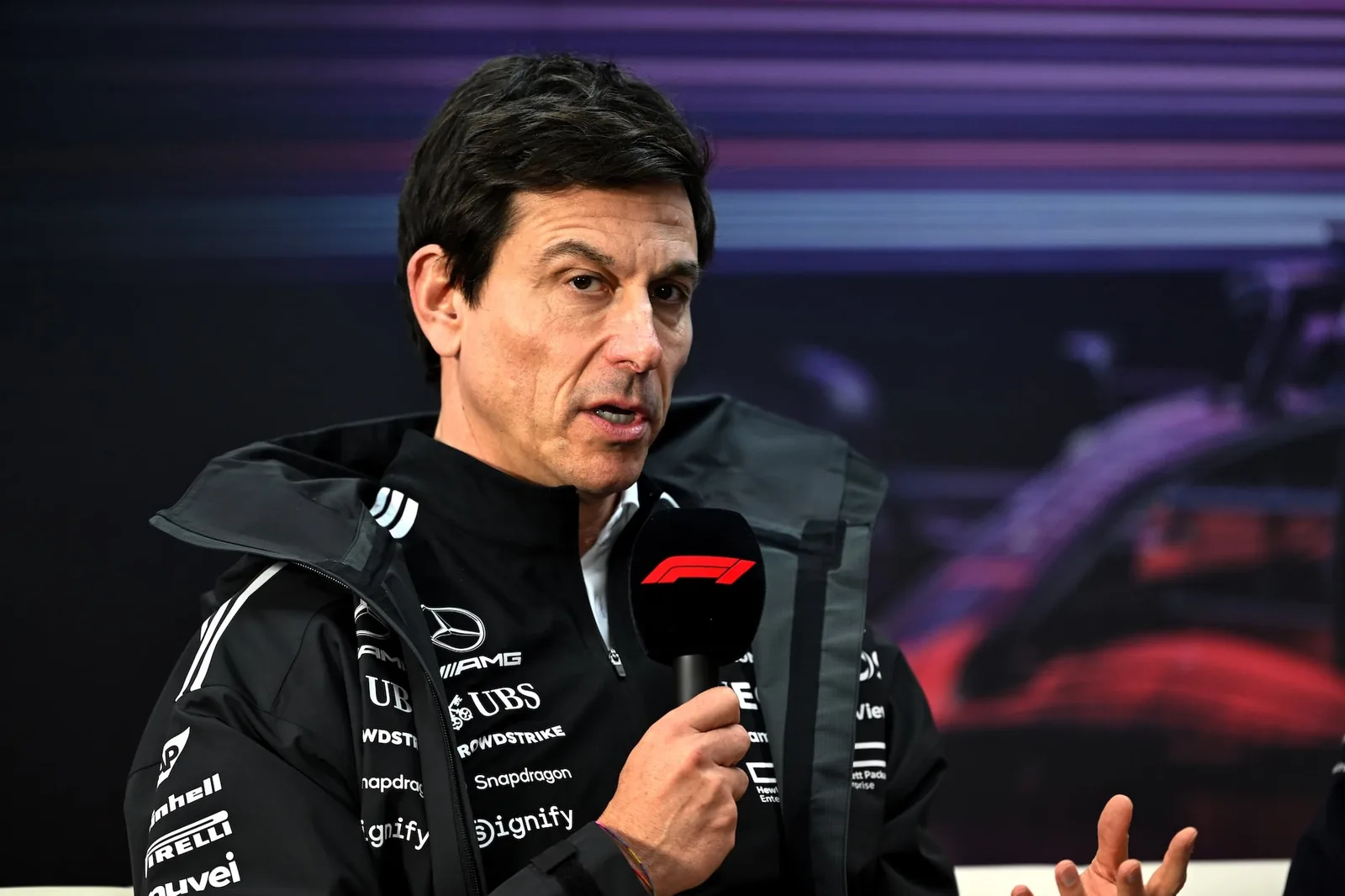








Formula 1 will have important changes to its 2026 cars, following a decisive meeting held this Monday (20) between the FIA and representatives of the category and the teams. The alterations have been officially confirmed and aim to improve performance, safety, and race dynamics.
Read more Debut under pressure: RiSE26 sets a strong pace and leaders are already targeting Cascavel
These discussions occurred during the forced break in April, evaluating criticisms made by drivers, officials, and fans about the new regulations. Among the main points were concerns about driving style in qualifying sessions, type of overtakes in races, and safety issues.
After the meeting, the FIA released a series of adjustments divided into four main areas: qualifying sessions, race, starts, and wet track conditions. The changes aim to make the cars more consistent, reduce risks, and improve competitiveness.
In qualifying sessions, the changes focus on encouraging more consistent performance. The maximum energy recovery limit will be reduced from 8MJ to 7MJ, a measure intended to decrease excessive recovery and allow for faster and more consistent laps. Additionally, the maximum power of the so-called ‘superclip’ will be increased from 250 kW to 350 kW, reducing the time spent on recharging and decreasing the drivers’ workload in energy management.
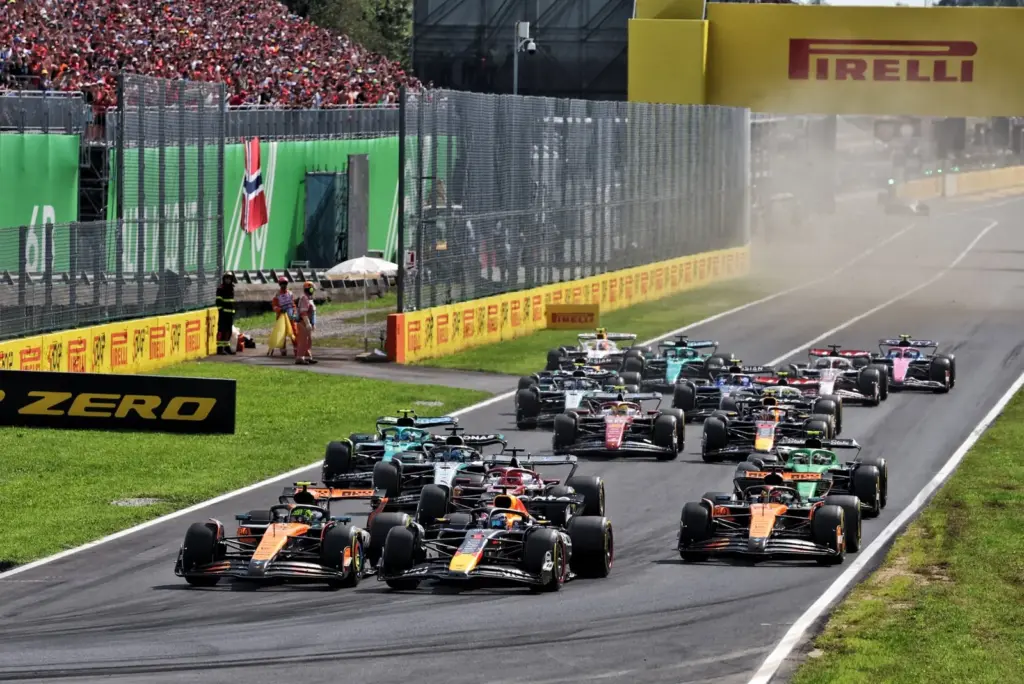
Still in this context, the number of events with alternative energy limits has been expanded from eight to twelve races, allowing for greater adaptation to the characteristics of each circuit. The FIA also confirmed that the increase in ‘superclip’ power will be applied in both qualifying sessions and races.
Read more F1: Stella points to two reasons for McLaren’s difficult start in 2026
For races, the focus of the changes is to improve safety and performance consistency. The maximum power of the ‘boost’ system will be limited to +150 kW, preventing large sudden performance differences between cars. The use of the MGU-K will remain at 350 kW in acceleration and overtaking zones, but will be reduced to 250 kW in other parts of the lap, with the aim of decreasing excessive approach speeds.
The FIA also introduced new measures for starts. A low-power detection system has been developed to identify cars with abnormal acceleration after clutch release. If this occurs, the MGU-K will automatically activate to ensure minimum acceleration and reduce risks, in addition to flashing lights to alert drivers behind.
Finally, specific changes have been defined for wet conditions. The temperature of intermediate tire warmers will be increased to improve initial grip, while the maximum ERS usage will be reduced to facilitate car control in low grip. The rear light system has also been simplified to improve visibility and reaction time in adverse conditions.
Read more F1: Alonso talks about a “different perspective” on crisis with Honda engines