






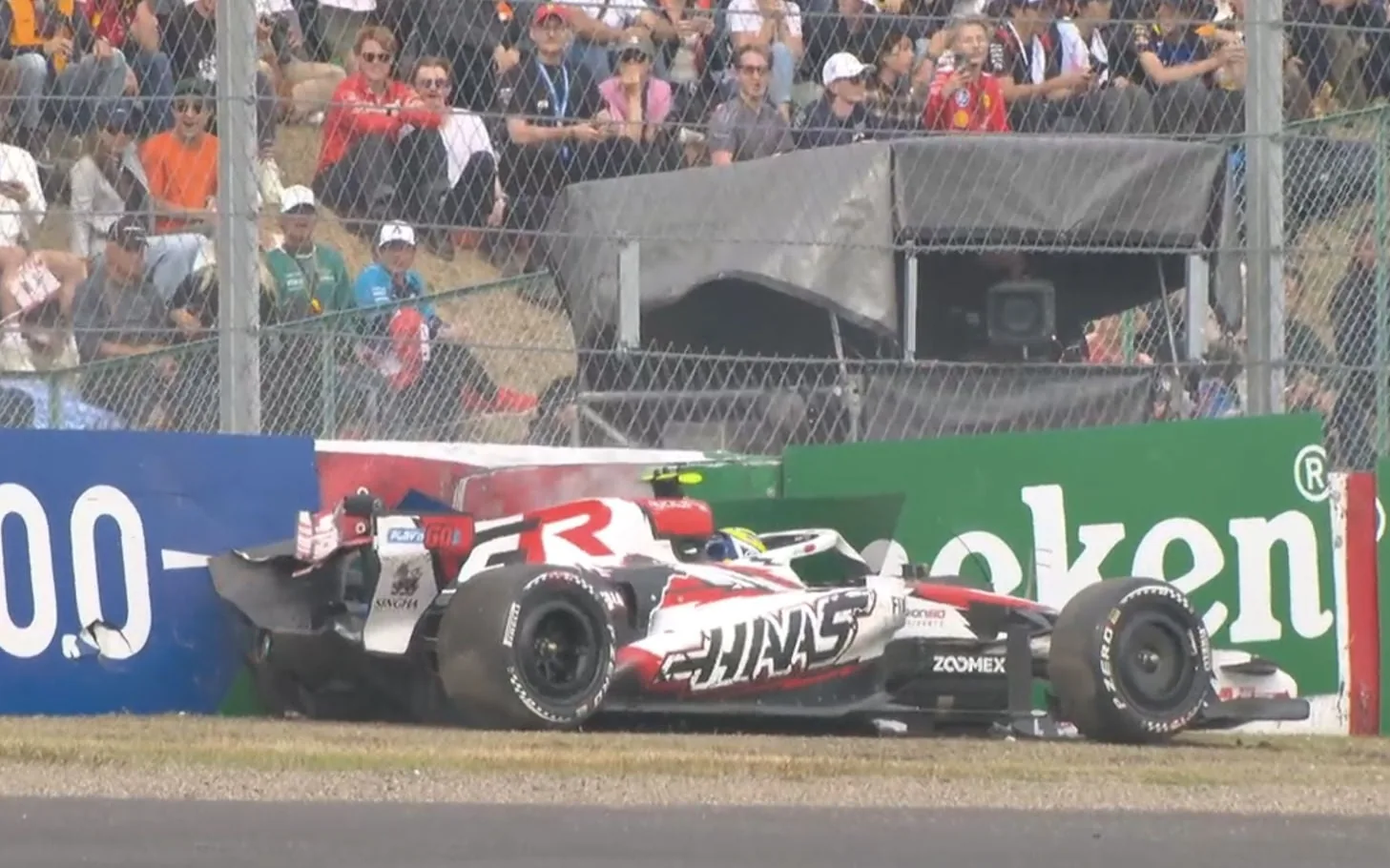
Formula 1 has returned to discussing safety after the accident involving Oliver Bearman and Franco Colapinto at the Japanese GP. The FIA confirmed that it will evaluate possible changes to the 2026 rules in some meetings being held during the month of April, after highlighting the impact of the large speed difference between the cars at the time of the accident.
Read more F1: Marko says Verstappen cannot make a difference at Red Bull at the moment
The episode gained even more relevance because it happened at an unexpected moment in the calendar. With the cancellation of the Bahrain and Saudi Arabian GPs, Formula 1 gained a break of approximately one month, creating an opportunity to review the new package of regulations introduced for 2026.
Several drivers had already been warning about the risks even before the accident at Suzuka. The main concern involves collisions between cars with significant speed differences, caused by energy management, which can result in more serious impacts and even a car being launched into the air. In the case of the accident at Suzuka, Bearman managed to swerve away from Colapinto and hit the barrier hard, but alone, avoiding a potentially more dangerous scenario.
This type of accident evokes memories of historical motorsport tragedies, such as the 1955 24 Hours of Le Mans disaster. On that occasion, the driver Pierre Levegh lost his life after his car crashed and was launched into the crowd, in an accident that left more than eighty dead and marked the worst tragedy in the history of motorsport.
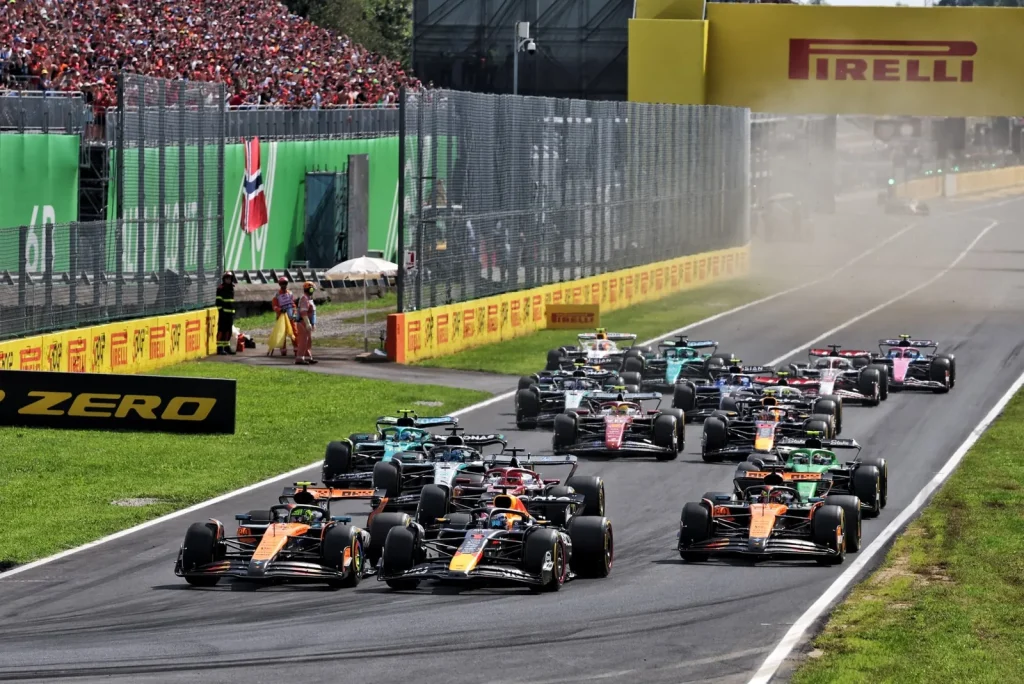
Even with significant advances in safety since then, the fear of cars being projected into the air still worries drivers and experts. Vehicles that take off tend to decelerate little until hitting obstacles, increasing the risks for both drivers and track marshals and spectators, even with more resistant modern structures.
The debate also gained momentum among former F1 drivers. Eddie Irvine expressed concern about Bearman’s accident and compared the situation to a fatal accident he witnessed at Suzuka in 1992. Martin Brundle, meanwhile, reinforced the need for immediate action from the FIA, warning of possible consequences if nothing is done.
Read more F1: Jos Verstappen talks about Lambiase’s departure and Max’s future
Among current drivers, Lando Norris had also predicted risks before the start of the season: “We’re going to have a big crash. Depending on what the drivers do, you can have speed differences of 30 to 50 km/h, and when someone hits another driver at that speed, you’re going to fly, go through the fence and cause a lot of damage to yourself and maybe others, and that’s a horrible thing to think about,” he said.
During the same Japanese GP, Norris also highlighted how differences in energy management can generate unexpected situations, reporting that he even overtook Lewis Hamilton involuntarily at certain points in the race.
The topic was also addressed by Carlos Sainz, who advocated for changes even if it affects the race dynamics: “I was very surprised when they said: ‘No, we’re going to fix the qualifying session and leave the race as it is because it’s exciting’. As drivers, we were very clear that the problem is not just the qualifying session, it’s also the race,” the Spaniard stated.
After the Japanese GP, the FIA recognized that the new regulations include adjustable parameters, especially in energy management, which can be changed based on real data. Still, the question remains as to what extent the entity will be willing to modify the rules to reduce the identified risks.
Read more F1: Hamilton intensifies testing with Ferrari during break