








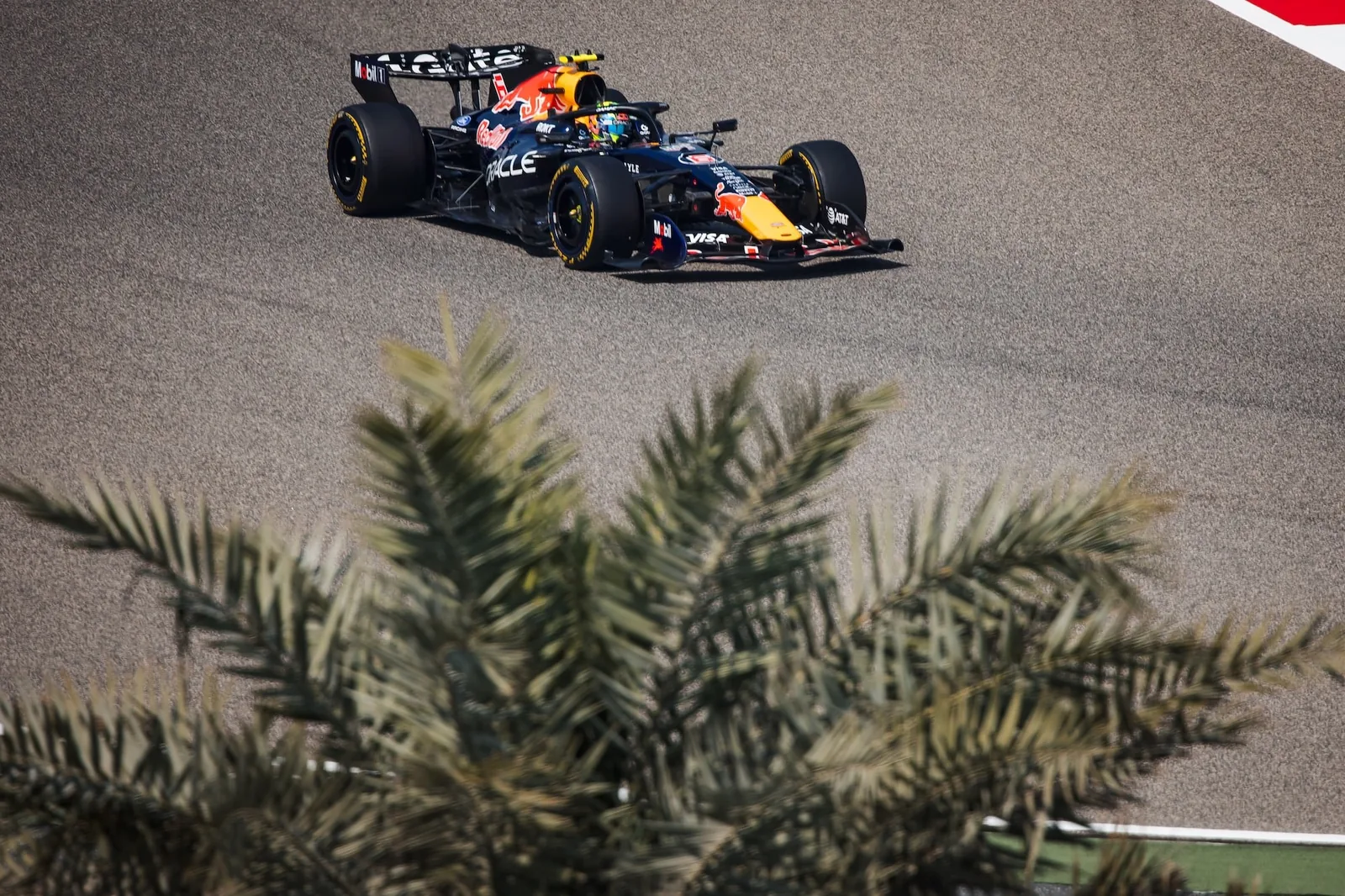
The 2026 Formula 1 season marks the beginning of a new technical era in the category, with profound changes to the cars, power units, and even the way overtaking happens during races. The new regulations promise to significantly alter the behavior of the cars on track and also the dynamics of the battles throughout the championship.
Read more F1: Stroll talks about «difficult times» at Aston Martin, but remains optimistic
With so many novelties arriving at the same time, understanding what has changed in F1 can be a challenge for fans. Between smaller and lighter cars, redesigned engines, new aerodynamic solutions, and changes to the qualifying format, the season begins with a package of rules that redraws the future of the category.
See below the main changes coming into effect in Formula 1 in 2026.
1. Smaller cars
F1 cars have become smaller in 2026. The wheelbase was reduced from 3.600 mm to 3.400 mm, making the cars more agile and potentially easier to position in wheel-to-wheel battles. The floor width also decreased by 100 mm, contributing to a more compact package.
2. Narrower tires
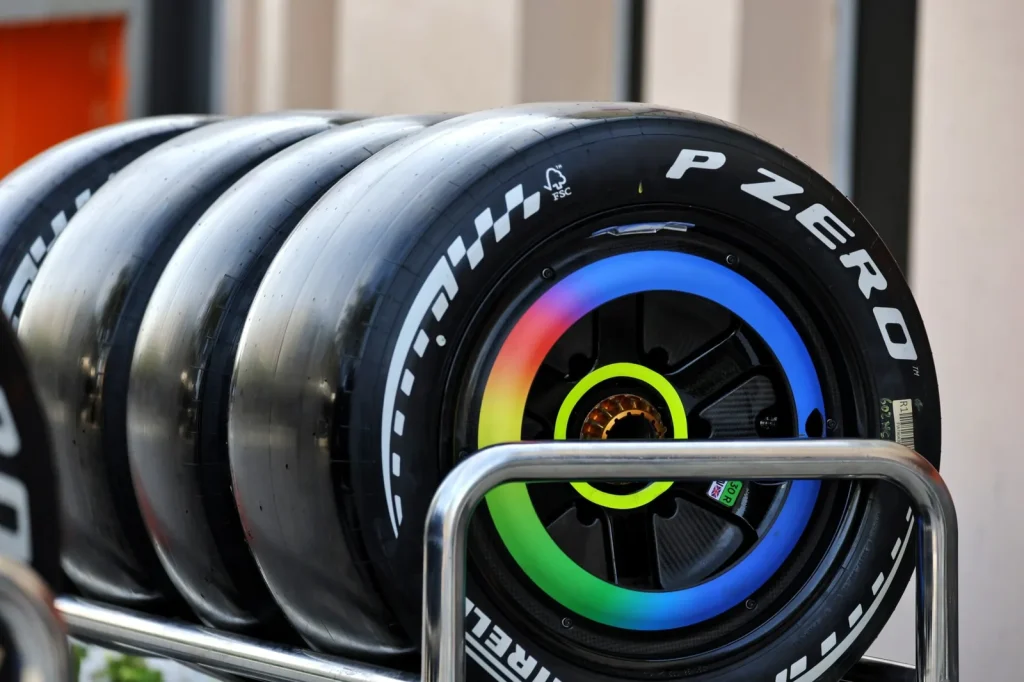
The tires have also changed dimensions. The fronts became 25 mm narrower and the rears lost 30 mm in width. This reduction may decrease the contact area with the asphalt and affect grip levels, although it also helps open up more space on the track for battles between cars.
3. Lighter cars
The minimum weight of the cars dropped from 800 kg to 768 kg. The reduction was possible thanks to the removal of some power unit components and the new dimensions of the cars. Drivers have already reported that the car feels more agile and responsive at the wheel.
4. Revised aerodynamics
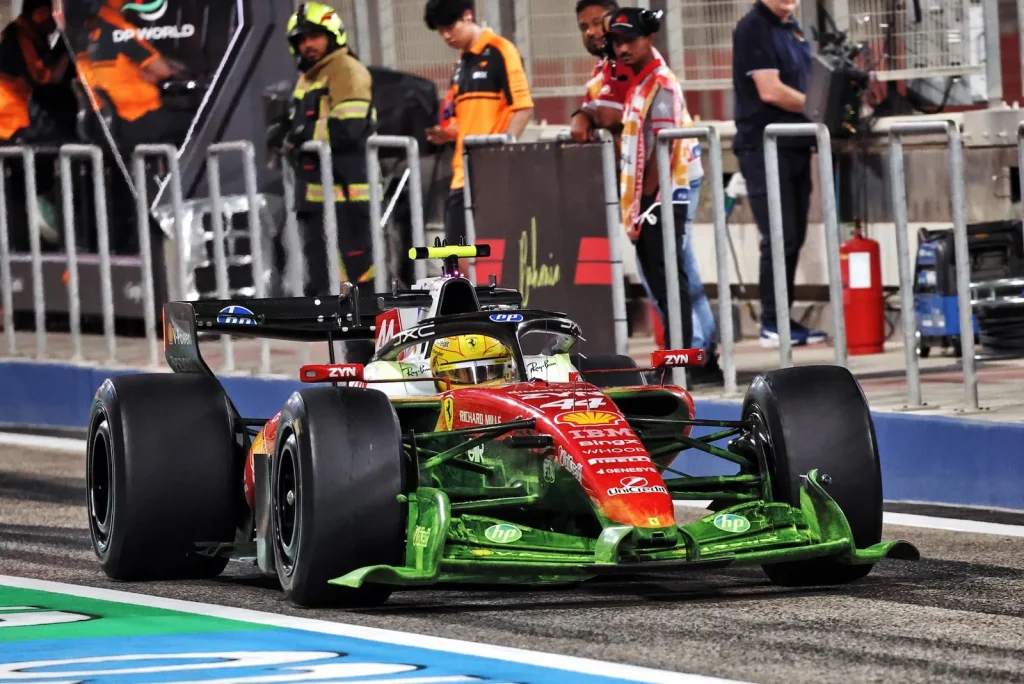
One of the most important changes was the elimination of the Venturi tunnels in the floor, which were fundamental for ground effect in recent seasons. The floor still generates aerodynamic performance, especially with a larger diffuser, but no longer has the dominant role it had before.
5. Simpler wings
The front and rear wings were simplified and wheel covers were removed, helping to reduce weight. New deflectors were also introduced to control the turbulent flow coming from the front tires, with the aim of improving the cars’ ability to follow each other.
6. New power units
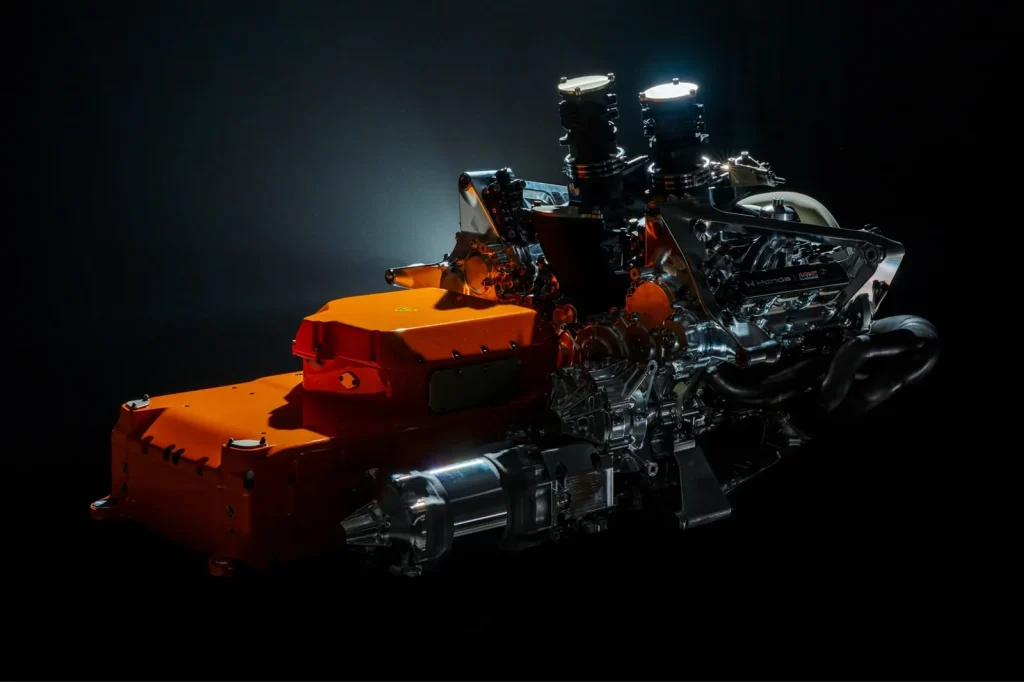
Formula 1 continues to use hybrid turbo V6 engines, but with important changes. The MGU-H was eliminated, while the MGU-K gained much more power, significantly increasing the electrical contribution to the car’s performance.
Read more F1: Hamilton is excited about new challenges and changes at Ferrari
7. More electrical energy
Electrical power went from about 120 kW to approximately 350 kW. As a result, the power unit now has a split close to 50% between electrical energy and internal combustion, increasing the role of energy recovery during laps.
8. Advanced sustainable fuel
Another novelty is the use of so-called advanced sustainable fuel. Instead of petroleum-derived fuels, F1 is moving to use fuels produced from sustainable sources, such as industrial or organic waste that does not compete with the food chain.
9. Overtake Mode replaces DRS
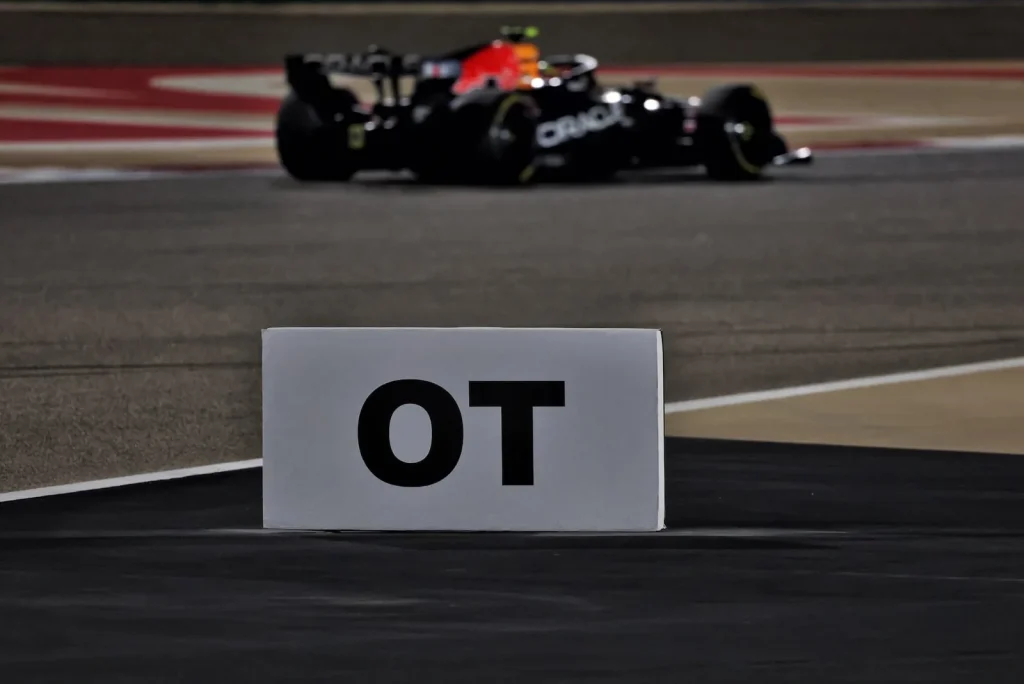
The traditional DRS ceases to exist and gives way to the so-called Overtake Mode. This system allows for the release of additional electrical energy when a driver is close to the car ahead at a specific point on the track, helping to increase speed on the straights and facilitate overtaking.
10. Straight Mode with active aerodynamics
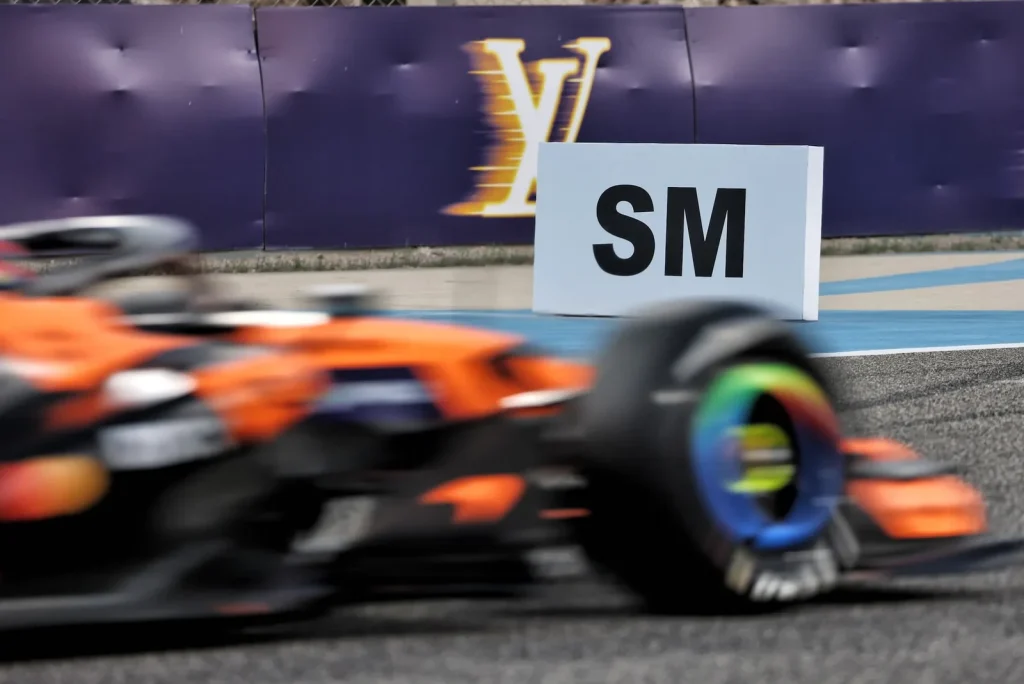
Cars will now use active aerodynamics. In the so-called Straight Mode, the rear wing opens and the upper elements of the front wing adjust to reduce aerodynamic drag on the straights, increasing high-speed efficiency.
11. New Boost system
Drivers will also be able to use additional energy stored in the battery whenever they want, through the so-called Boost. This feature can be used to attack an opponent, defend a position, or improve lap time.
12. Changes in qualifying and budget
With the arrival of Cadillac, the starting grid will have 22 cars. Therefore, six drivers will be eliminated in Q1 and another six in Q2, keeping ten competing for the final positions in Q3. Additionally, the teams’ cost cap increased from 135 million dollars to about 215 million, reflecting the costs of the new technical regulations.
With so many simultaneous changes, the 2026 season promises to represent one of the greatest technical revolutions in the recent history of Formula 1. The impact of these changes on team performance and the racing spectacle should become clearer as the championship progresses.
Read more F1: Verstappen says FIA request for feedback on regulations arrived late