

Formula 1 is about to undergo a transformation that will make the aerodynamic changes of 2022 seem small in comparison. For years, fans have gotten used to the so-called “DRS train” — that line of cars waiting for the rear wing to open to facilitate an overtaking on the straight. But, heading towards 2026, this era is coming to an end.
Read more Matheus Ferreira opens the season in the German Porsche Cup and will compete in the Porsche Supercup
The next championship will not be decided just by pure speed or aerodynamic efficiency. Instead, success will depend on the teams’ and drivers’ ability to manage energy. The real battle is shifting from the rear wing to the power unit, where smart use of electric energy will be decisive.
As the sport becomes more technological and data-driven, fans also seek to improve their own digital experience. Whether to follow races, access exclusive content, or watch broadcasts securely, many turn to tools like a what is a VPN to ensure privacy and stable access.
The End of “Easy Overtaking”
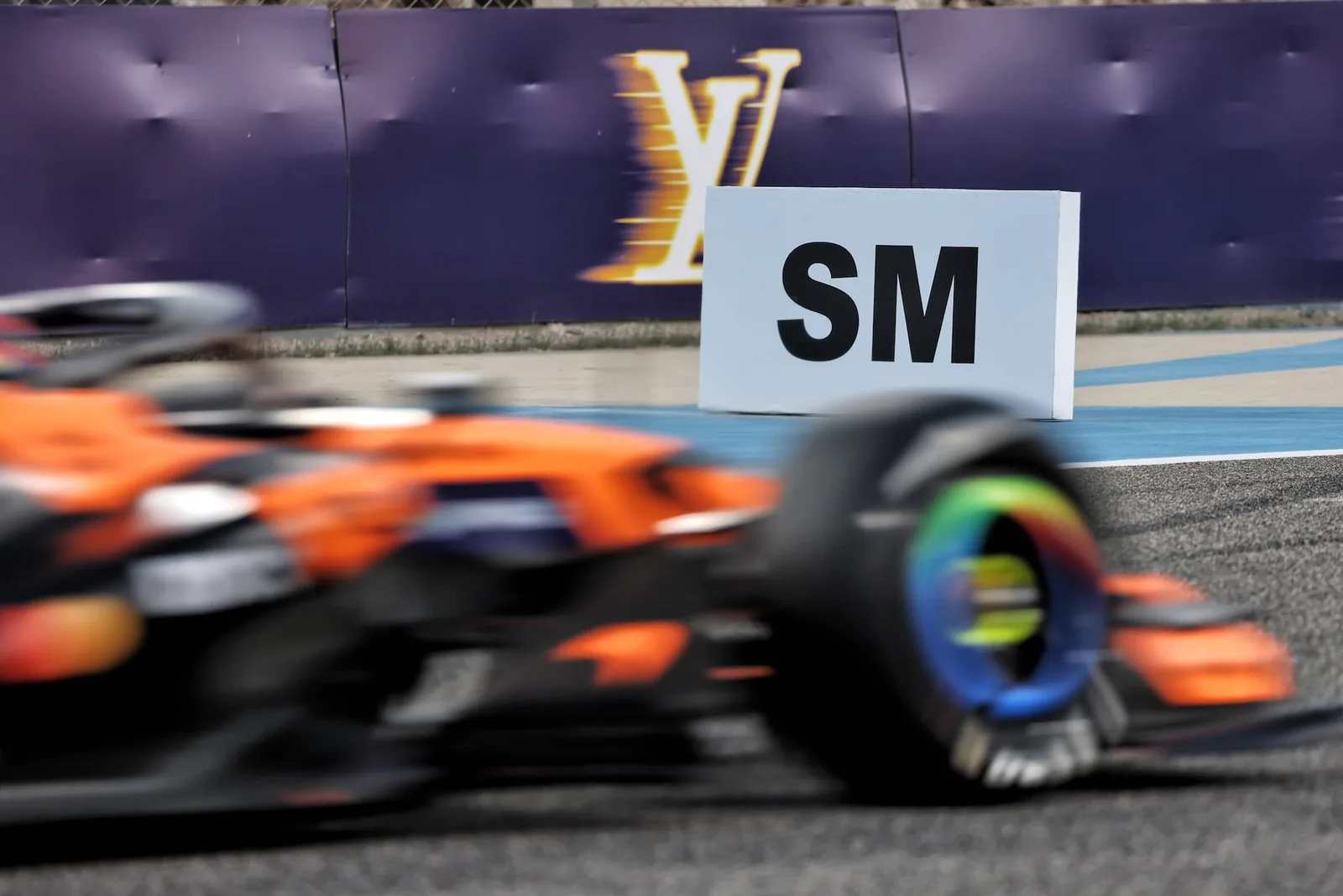
For more than a decade, DRS (Drag Reduction System) has been the main overtaking tool. Although effective, it often seemed artificial. In 2026, traditional DRS will be practically replaced by a more strategic system based on electric energy.
With an almost balanced split between the combustion engine and electric power, the power unit will no longer be dominated by the traditional engine. Overtaking will not depend solely on the slipstream but on the ability to use and conserve energy intelligently.
Energy Management: A New Strategic Battle
One of the main points of the new regulations is the increase in electric power available to the chasing car. By staying within one second of the opponent, the driver will be able to access additional energy, reaching higher speeds on the straights. At the same time, the car in front may lose power at high speeds.
This creates a new overtaking dynamic. It is no longer about simply pressing a button but about choosing the right moment to attack. Using energy too early can leave the driver vulnerable in the following laps.
Overtaking becomes a strategic game — less about opportunity and more about timing.
Active Aerodynamics: A New Balance
The introduction of active aerodynamics adds more complexity. Cars will alternate between high downforce settings in corners and low drag on the straights.
Since all cars will use low drag modes on the straights, the slipstream advantage will be reduced. This means drivers will no longer be able to rely so much on the car ahead to gain speed. The difference will be in energy efficiency.
Read more F1: Stella points to Piastri as a key figure in McLaren’s comeback
Energy Management Over Pure Speed
In the new era, chasing the fastest lap at all times can be a mistake. Pushing the pace quickly consumes the available energy, leaving the driver exposed later in the race.
The most successful drivers will be those who know how to balance when to save and when to attack. Managing this balance — recovering energy in certain sections and using it at the right moments — will be essential.
The Challenge of Smaller and Lighter Cars
The 2026 cars will be smaller and lighter, which improves agility. However, this brings new challenges, especially in temperature control.
With less space for cooling systems, keeping the battery at the ideal temperature will be crucial. A car fast in qualifying may not perform the same in a long race if it cannot control heat.
A New Role for the Driver
Drivers will have an even greater mental load. Besides managing driving and tires, they will need to constantly monitor available energy, usage strategies, and opponents’ behavior.
The best will not only be the fastest but the smartest in real-time decision-making.
Conclusion: A More Strategic New Era
The 2026 rules represent a profound change in Formula 1. By going beyond DRS, the sport will value strategy, efficiency, and driver intelligence even more.
Races will not be decided just by speed but by who can better manage energy and adapt to race conditions. It will be a more complex, strategic, and exciting Formula 1.
Read more F1: Lawson trusts in Racing Bulls’ progress with updates