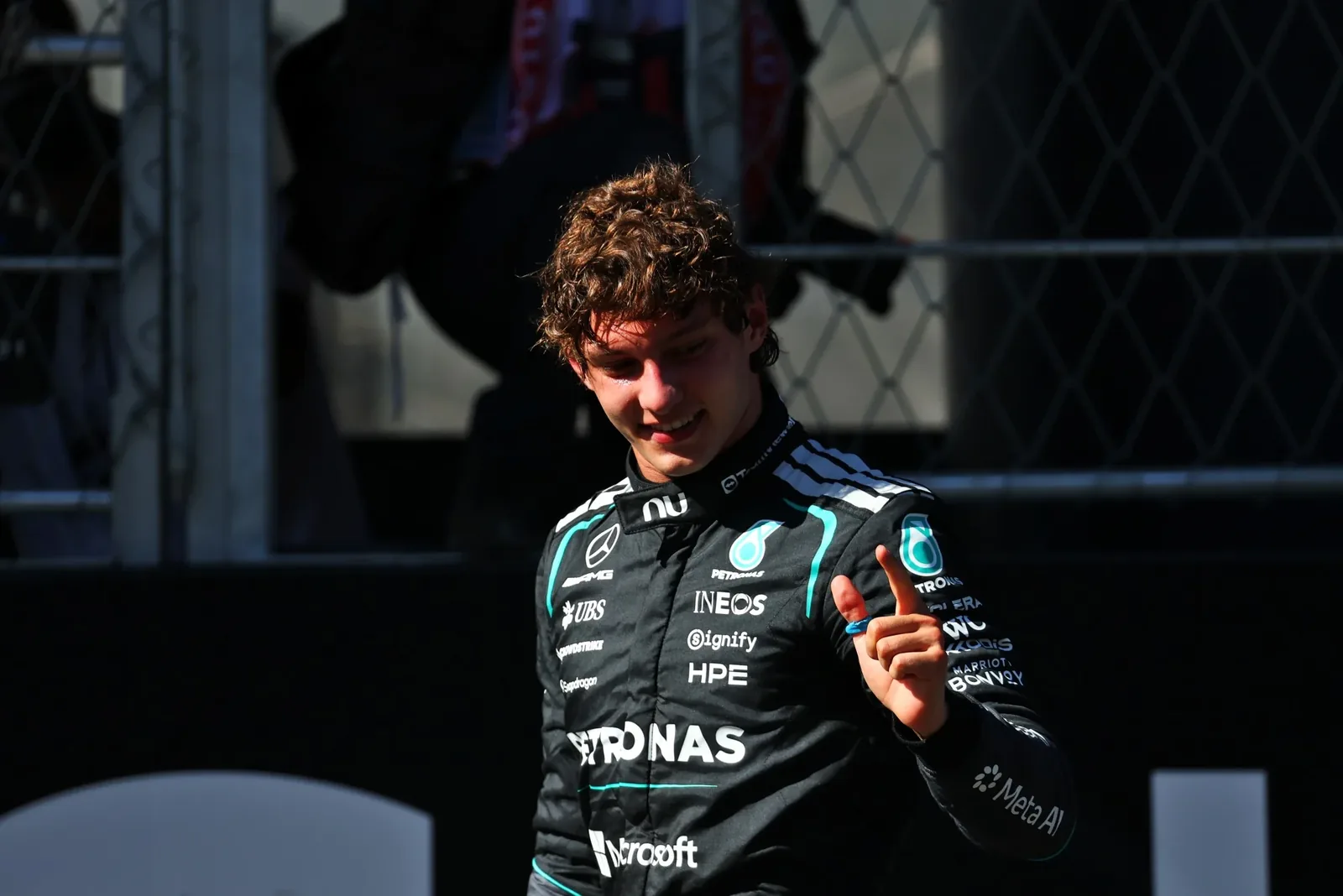

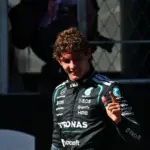



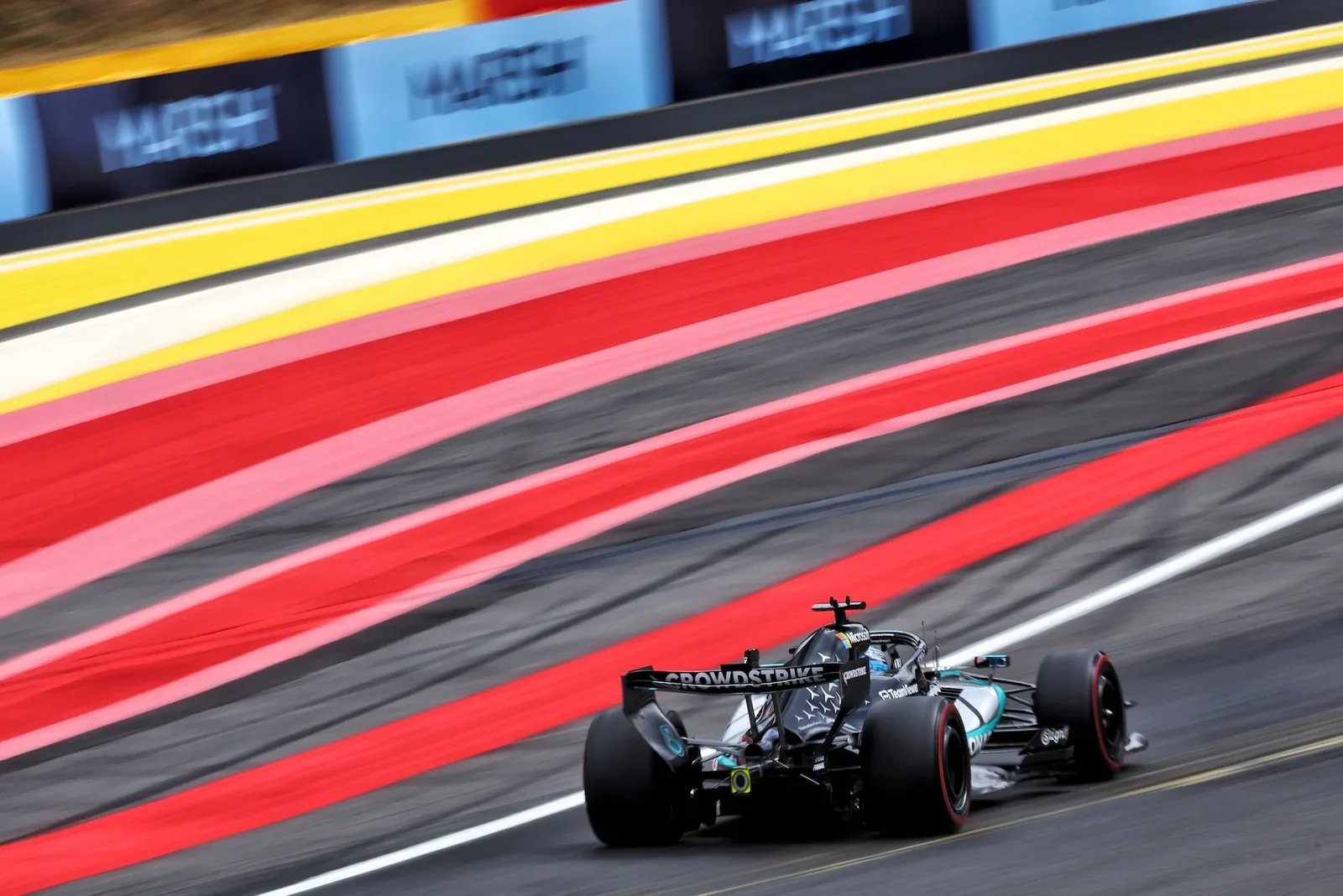
Formula 1 started off complicated for George Russell at the Belgian GP. While Kimi Antonelli finished Friday at the top of the timesheet in FP2, the British driver was only in eighth position, more than a second behind his teammate.
Read more F1: McLaren and Mercedes bring updates to Spa; Ferrari has no upgrades
This gap drew attention at Spa-Francorchamps, especially because Russell recently reduced the distance to Antonelli in the championship, which is now 25 points. Even so, Mercedes showed confidence that the Briton can react quickly throughout the weekend.

Kimi Antonelli recorded 1m45.944 in FP2, against 1m47.229 from Russell. According to the team’s analysis, the Briton lost time at several points on the track, mainly after a compromised passage through Les Combes and on the following straights.
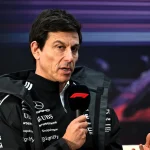
Andrew Shovlin, Mercedes’ track engineering director, said tire preparation was one of the decisive factors: “It wasn’t a great lap for George, but it was just one lap. If it doesn’t come out well, it looks like you have no pace,” he said.
The director explained that Russell felt the tires were not ready at the start of the fast attempt. In addition, the driver ended up underestimating the level of grip in some corners after an FP1 that was also considered difficult for both Mercedes cars.
Read more F1: Racing Bulls sees positive day in Belgium practice: «Encouraging performance»
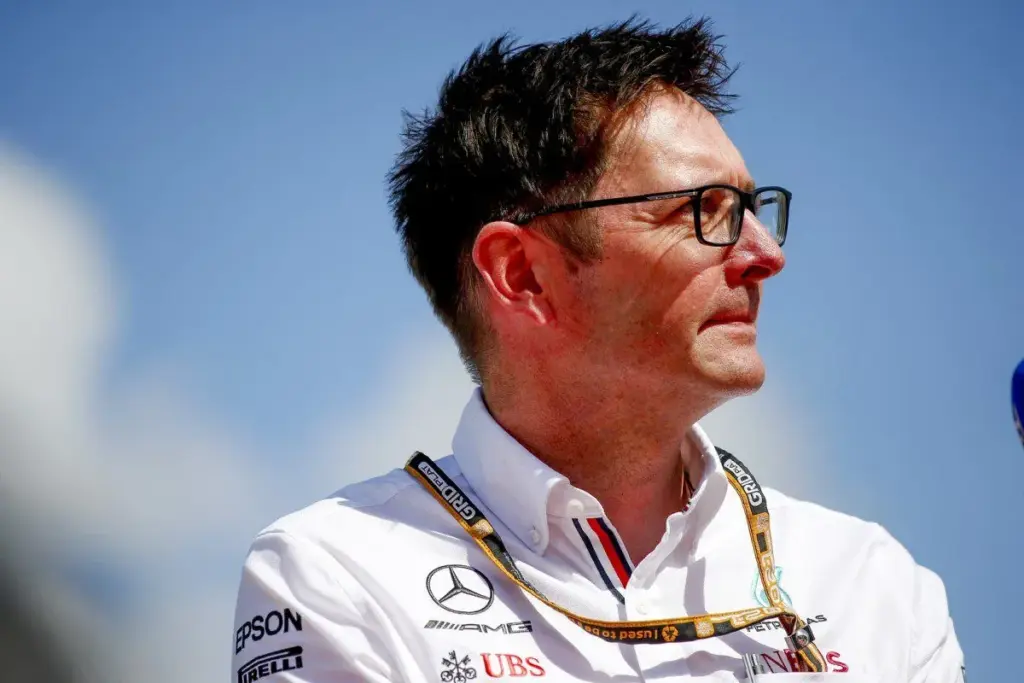
“There are some points where it seems he underestimated the level of grip, but considering the first session we had, that’s not a big surprise. There are aspects to work on, but we can see a lot in the data and I’m sure he’ll be there tomorrow,” added Shovlin.
Mercedes also revealed that Russell faced a problem with one of the homologated fuel flow meters during FP1, which left his car with less power than Antonelli’s in the morning session. According to the team, the fault has already been fixed.
Shovlin also highlighted that the demands of the 2026 power units make any loss of performance even more evident at Spa: “The problem is that if you take the corners slower, it affects the power delivery. On an energy-limited track like this, those differences become much more amplified,” concluded the director.
Read more F1: Red Bull predicts return of the ‘Macarena’ wing at the Hungarian GP