






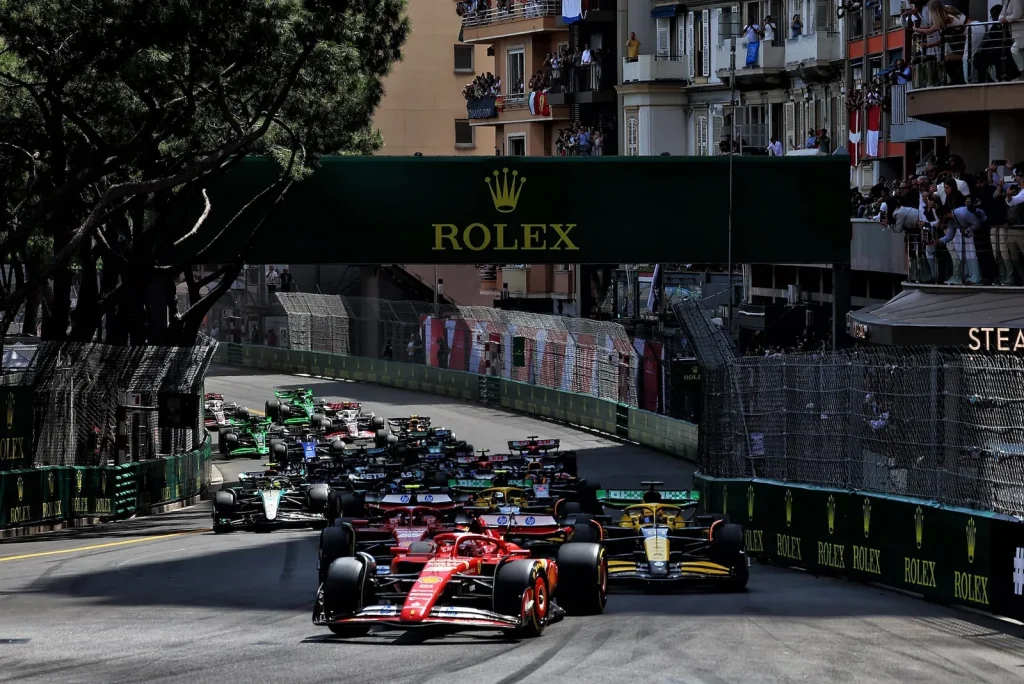
Formula 1 will have important news at the Monaco GP next weekend, with the FIA implementing specific changes to adapt the new generation of cars to the unique characteristics of the street circuit. The changes involve active aerodynamics, power unit energy management, and new engine inspection procedures.
Read more F1: New post from Kim Kardashian reinforces rumors about relationship with Hamilton
The main goal is to try to make the race more competitive on a track historically marked by the difficulty of overtaking. At the same time, the measures also seek to address safety issues and balance the performance of the cars in one of the most challenging settings on the calendar.
One of the main novelties is the ban on the use of the so-called ‘straight mode’ throughout the lap, both in qualifying and in the race. With this, drivers will have to use the front and rear wings closed throughout the course. This decision was made mainly for safety reasons, since activating this mode would significantly increase the cars’ top speed on a circuit with few escape areas and critical braking zones.
According to the FIA, allowing the use of this feature on the main straight would not significantly increase overtaking chances but would raise the risk of accidents due to reduced grip in braking zones. The measure aims to avoid potentially dangerous situations without compromising the dynamics of the competition.
Another important change will be the introduction of a new energy mapping called ‘Rev1’. The system was developed to limit the power delivery from the electric part of the power unit at certain speeds and sectors of the circuit.
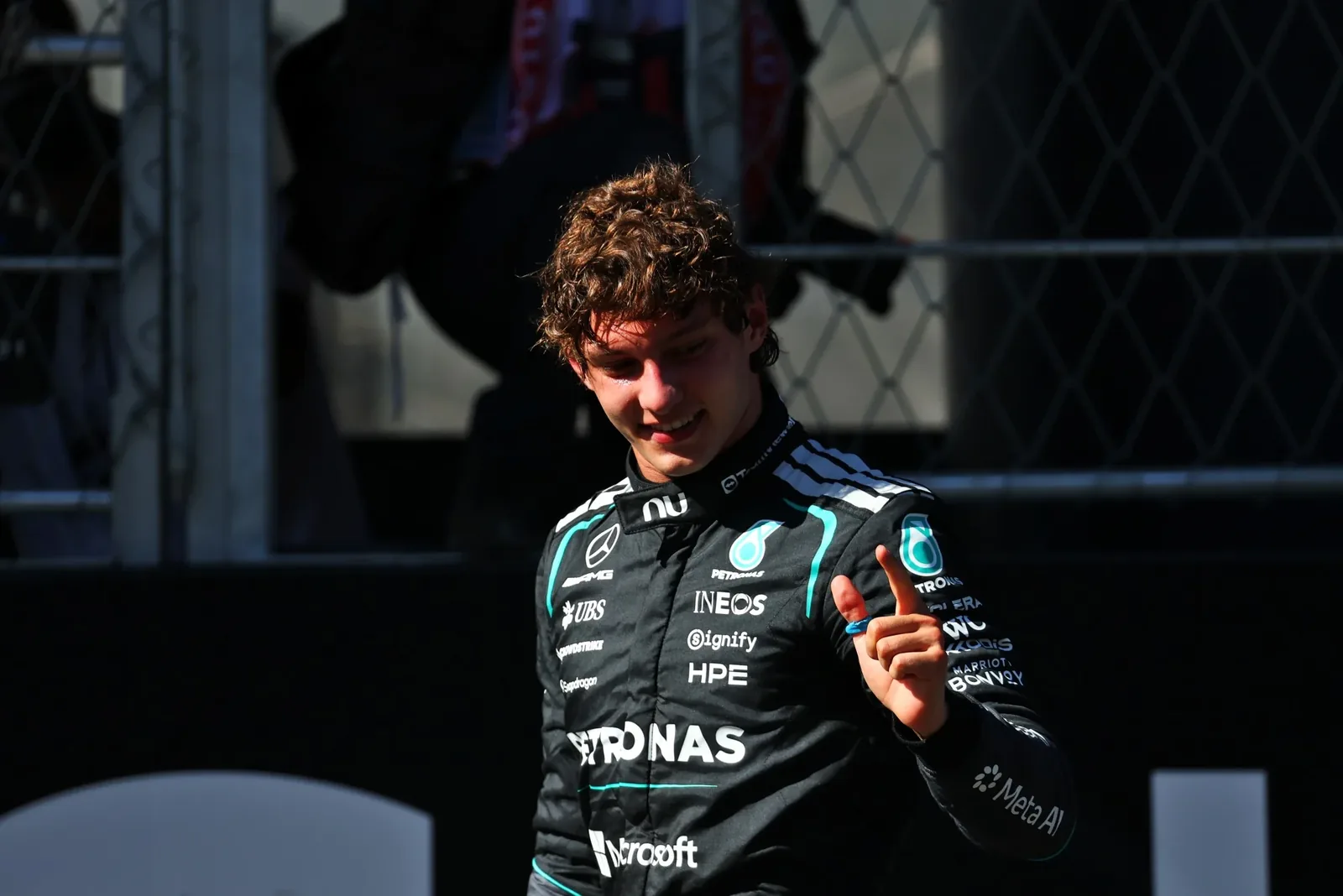
Read more F1: Ex-driver says Antonelli has a champion’s mentality
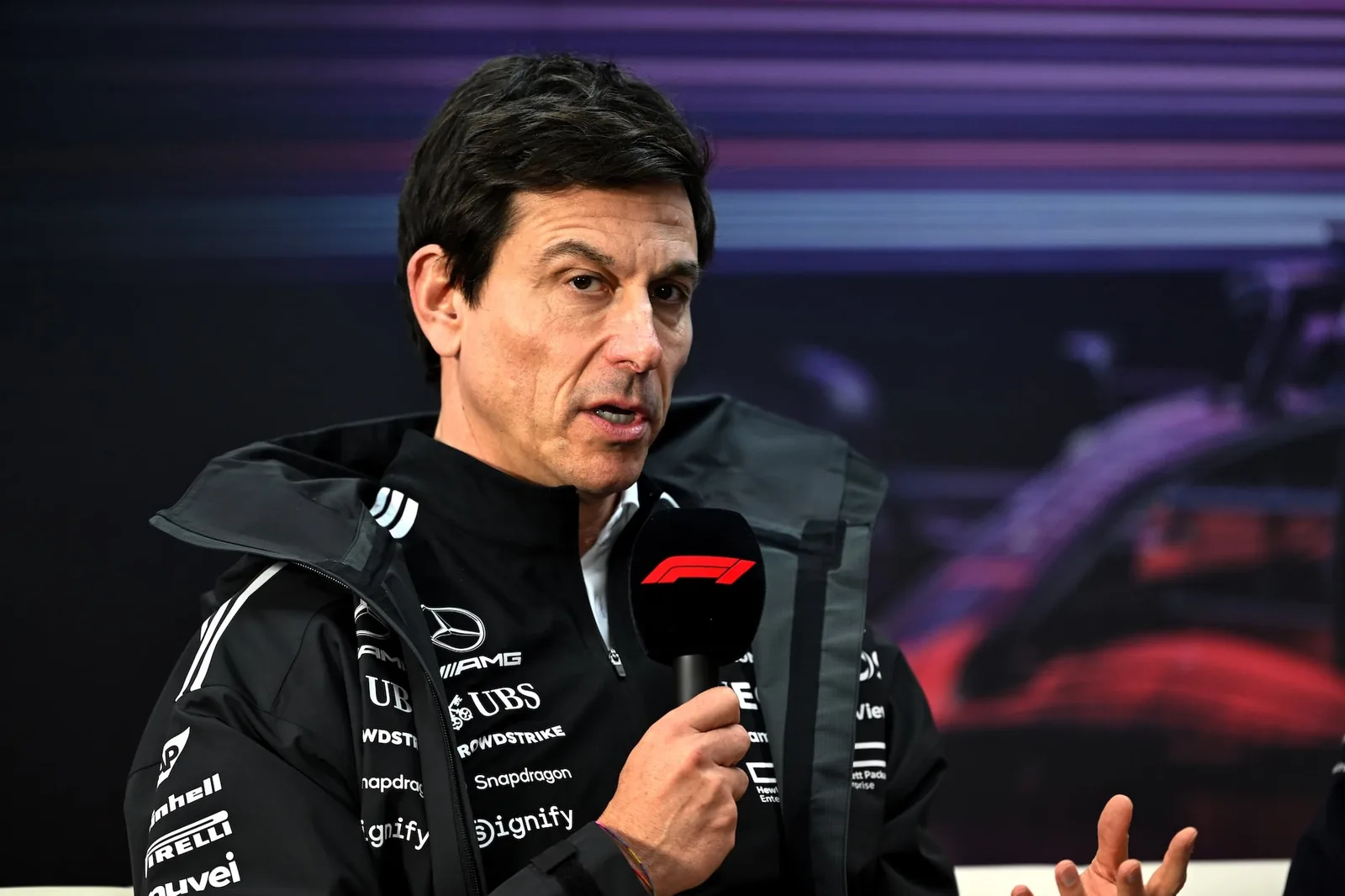
Furthermore, from June 1st, the FIA will start measuring engine compression ratio also at high temperatures, reaching 130°C. The change responds to requests made by some teams, following questions involving the Mercedes engine. Although Toto Wolff stated that the change will have minimal impact on the German manufacturer’s performance, it will be observed whether cars equipped with this power unit will show any change in competitiveness.
On the technical side, Ferrari and McLaren appear as the best-positioned teams to take advantage of Monaco’s characteristics. Ferrari is seen as a strong candidate due to its mechanical and aerodynamic balance, while McLaren may benefit from a more agile car in slow corners and winding sections.
Mercedes and Red Bull Racing arrive with more doubts. Mercedes has shown strength in fast corners and straights throughout the season, characteristics less relevant on the streets of Monte Carlo. Red Bull, on the other hand, still faces difficulties related to aerodynamic load and mechanical grip, factors considered essential for good performance on the traditional Monaco circuit.
Read more Cadillac announces cutting-edge simulator to accelerate F1 project