





System created by the FIA to help manufacturers at a technical disadvantage allows significant modifications to the power unit, but is far from representing a complete redesign of the project.
Read more MotoGP: Bezzecchi takes pole position for the Italian GP in Mugello
Formula 1 introduced for 2026 a new mechanism to prevent power unit manufacturers from falling excessively behind the competition during the regulation period. Called ADUO (Aerodynamic and Power Unit Development Opportunity), the system offers development benefits to manufacturers who perform significantly worse than their rivals.
Since the topic began to gain prominence in the paddock, a recurring question among fans has been: after all, what can a manufacturer really update when receiving the benefit?
The answer is more complex than it seems. Although ADUO grants access to areas that would normally remain frozen after the power unit homologation, it does not allow a manufacturer to simply redesign the entire engine from scratch.
The system was designed to accelerate performance recovery without compromising regulatory stability or causing an uncontrolled escalation of costs.
According to Appendix C4 of the FIA Technical Regulations for 2026, manufacturers included in the program will be able to make updates to important components of both the internal combustion engine and the hybrid system.
What can a manufacturer with ADUO update?
– Internal combustion engine (ICE) block
– Internal ICE components
– Oil circulation systems
– Water circulation systems
– Pumping systems associated with the engine
– MGU-K
– Battery
– Energy recovery systems (ERS)
– Power unit control electronics
– Certain hydraulic systems
– Fluids and specific elements provided for in the regulations
In practice, this means that a manufacturer at a disadvantage can work on areas directly related to the efficiency of the internal combustion engine, energy management, and power delivery of the hybrid system.
Among the most notable points is the additional freedom to develop electrical systems. With the 2026 engines adopting a power split close to 50% between the combustion engine and the electrical system, gains in components such as the battery, ERS, and MGU-K can have a significant impact on the overall performance of the car.
The assessment is that this part of the regulation may be even more important than the permissions related to the combustion engine, as energy efficiency will be one of the decisive factors of the new generation of power units.
Read more F1 today: FIA speeds up engines and Cadillac denies change
What does ADUO not allow?
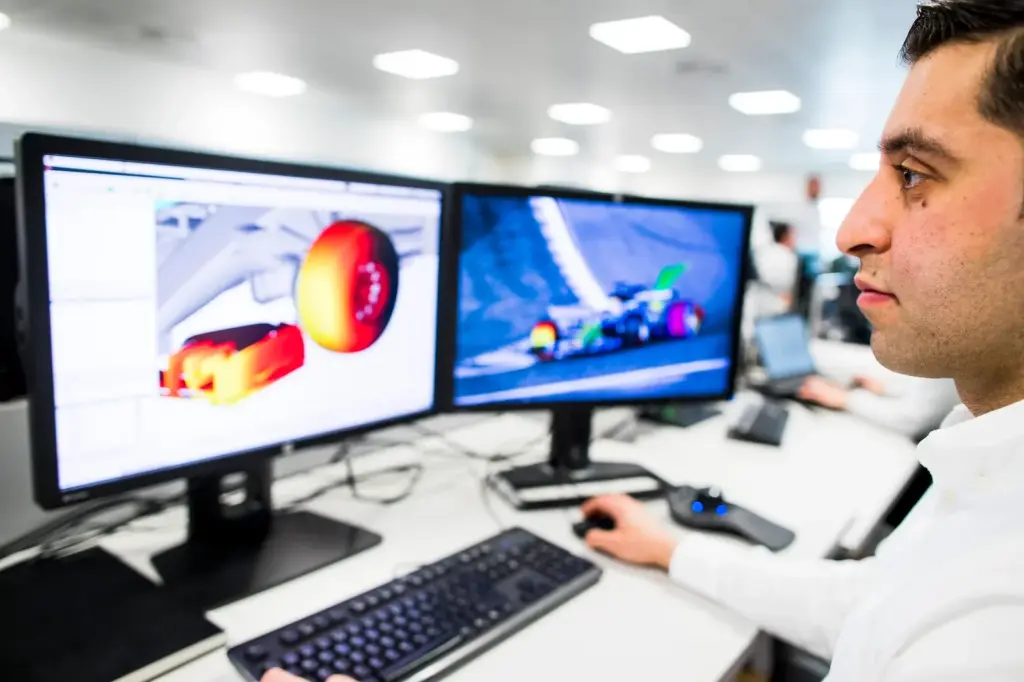
Despite the extensive list of allowed components, the benefit is far from representing authorization to completely rebuild a power unit.
Several components remain frozen regardless of the manufacturer’s situation.
What remains prohibited?
– High-pressure fuel pump
– FIA standardized sensors
– Components classified as Standard Parts
– Items explicitly blocked by the technical regulations
Furthermore, even the allowed areas remain subject to the normal development, manufacturing, validation, and homologation processes required by the FIA.
Another important factor is time. Unlike an aerodynamic update, which can be produced and brought to the track in a few weeks, the development of internal components of a power unit requires much longer cycles of design, testing, and validation.
Therefore, receiving ADUO does not mean immediately solving a performance deficit. The mechanism offers tools to accelerate recovery but still requires significant investments and months of work to generate concrete results.
The FIA also requires that any homologated update be made available simultaneously to all customer teams of that manufacturer, preventing a factory team from receiving privileged treatment.
With the entity about to announce which manufacturers will have access to the system, ADUO is expected to become one of the most important technical topics in Formula 1 in the coming months. More than a simple regulatory flexibility, the tool was created to prevent excessive performance differences from compromising the competitiveness of the category throughout the 2026 engine era.
Read more Tozzo leads training 1 with Challenge trio in NASCAR Brazil at Interlagos