






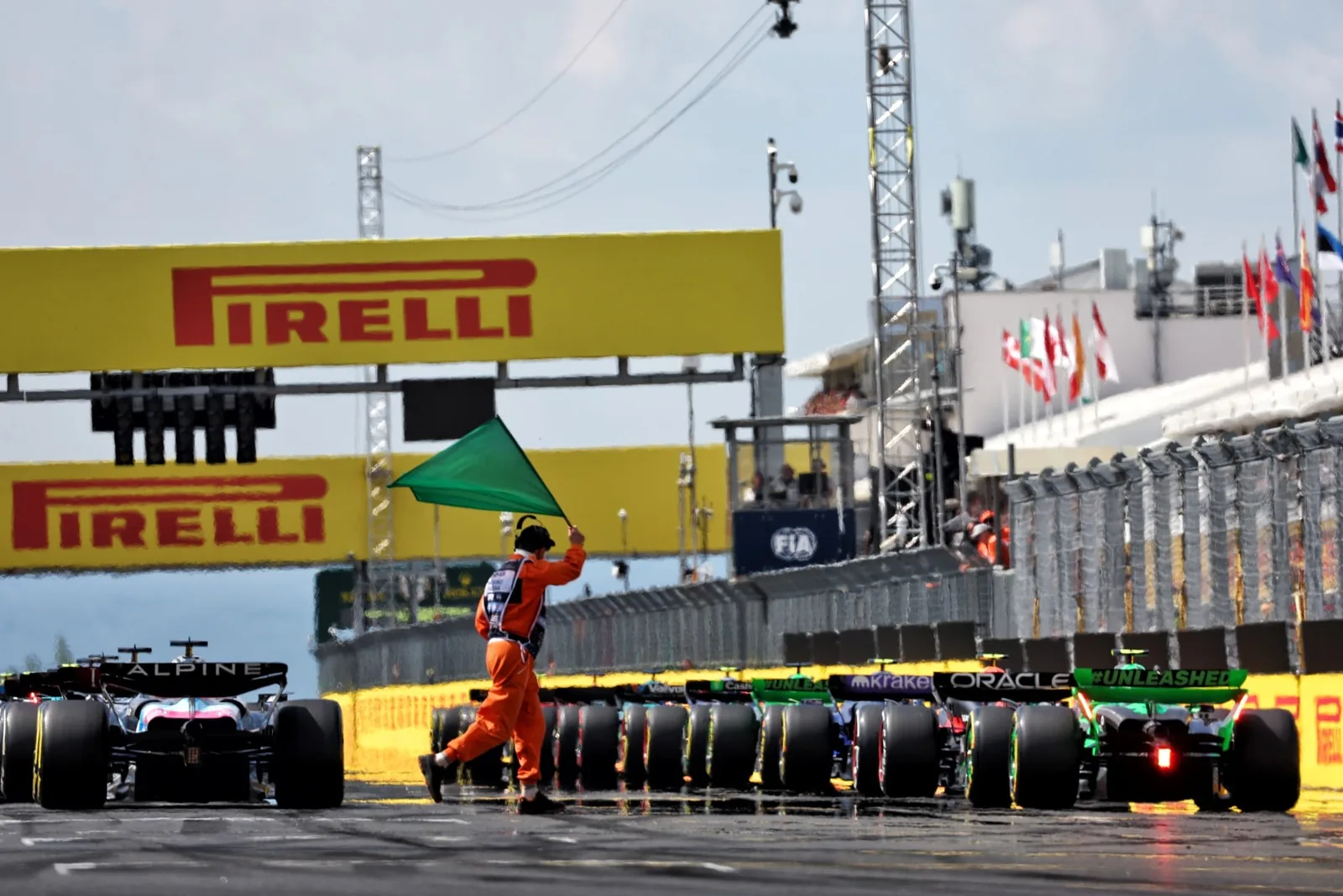
Formula 1 is considering reducing the distance of some races as part of negotiations to modify power unit regulations from 2027. The proposal emerged as an alternative to avoid costly changes to team chassis amid the challenges faced by the category with the 2026 engines.
Read more F1: Mekies downplays Wolff’s meeting with Verstappen’s father
The current power unit regulations have faced criticism since the start of the season. Cars have suffered from a lack of power in certain situations, creating unwanted effects in races and forcing drivers to adopt unusual strategies to save electrical energy.
The FIA has already made changes for the Miami GP to try to minimize some of the most urgent problems, including the need for drivers to drastically reduce speed during qualifying laps to recover energy. Still, there is a general understanding in the paddock that deeper changes will be necessary.
The main goal of the discussions is to achieve a division close to 60% of power coming from the combustion engine and 40% from the electric part. For this, the initial proposal foresaw an increase in fuel flow and a reduction in the use of electric energy, but the idea met resistance from manufacturers such as Audi, Ferrari, and Honda, who voted against the measure.
Discussions continue this weekend in the paddock of the Canadian GP. The biggest obstacle is not necessarily the concept of the changes, but the technical and financial impact caused by the timing of implementation, as many teams intended to reuse the current chassis in 2027 to save resources.
Read more F1: Leclerc rules out immediate reaction from Ferrari against Mercedes
Haas boss Ayao Komatsu reinforced teams’ concern about additional costs: “What I would like the FIA and F1 management to hear from the teams is the cost issue. These power unit regulations are already extremely expensive. If this costs an additional five or ten million for each team, it certainly is not the right direction for us,” he said.
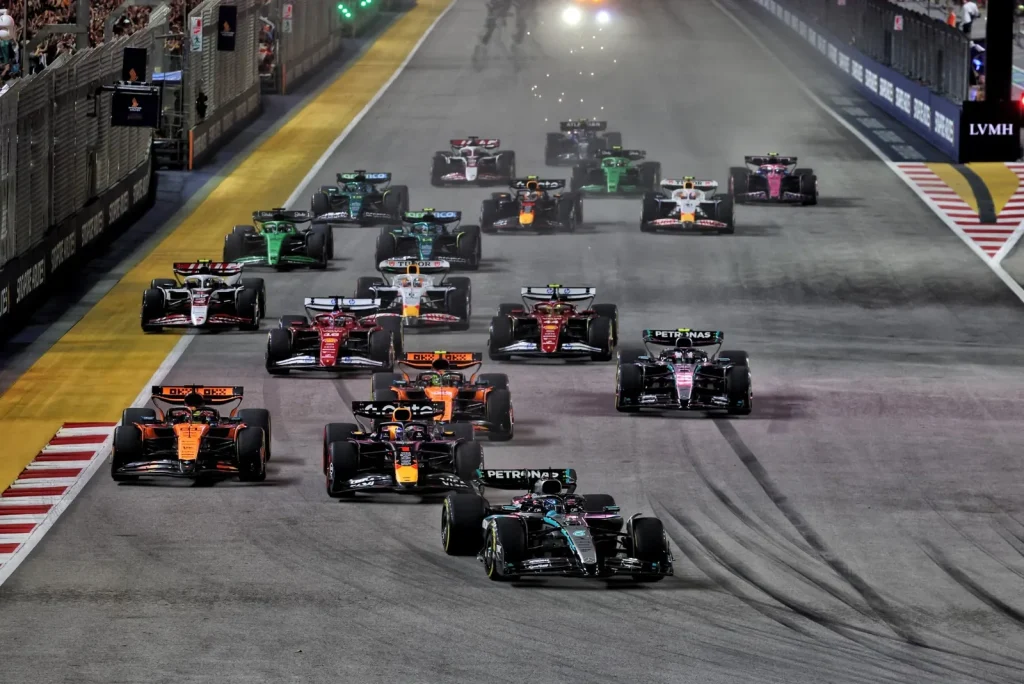
As an intermediate solution, the FIA has started working on gradual changes that do not require deep alterations to the chassis. The entity requested engine manufacturers to conduct studies to understand if the increase in fuel flow could happen without major technical changes and if this would require reducing the distance of some races on circuits that are more demanding in energy consumption.
According to calculations discussed so far, the measure would involve cutting some laps from races in about four or five calendar stages. In principle, it would be a reduction of approximately two laps. Another possibility would be to limit to only one reconnaissance lap before the starting grid. Alan Permane, head of Racing Bulls, confirmed that there is already an understanding among team principals about this alternative: “If someone wants to keep the current chassis and it is not sufficient for a 310 km race, we will analyze specific races and, only when absolutely necessary, reduce one or two laps,” he stated.
Read more F1: Brundle talks about ‘unknown’ clause in Hamilton’s contract with Ferrari