
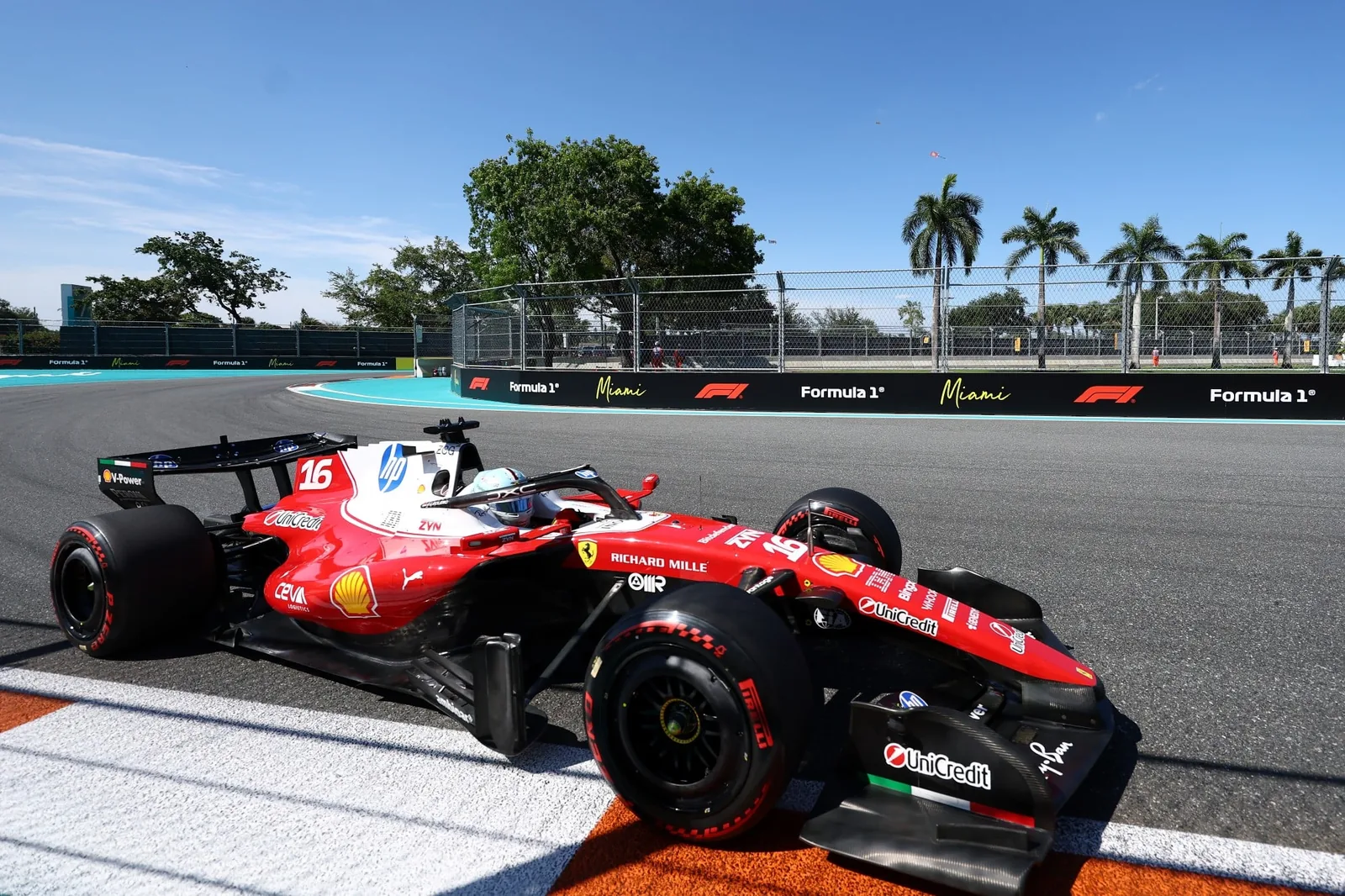
Ferrari arrives under pressure for the Canadian Grand Prix of Formula 1, after a performance below expectations in the Miami race. The Italian team believes that perfect execution throughout the weekend will be decisive to return to fighting for the top positions in Montreal.
Read more Check the schedule and where to watch F2 in Canada on TV and streaming
Even having brought an important package of updates for the Miami GP, Ferrari was unable to turn the changes into a significant result. Charles Leclerc finished the Sprint race in third place, but the team left the main GP on Sunday with only twelve points earned.
Frederic Vasseur highlighted that the challenge in Canada will be even greater because of the Sprint format, which limits the teams’ preparation time. Just like in Miami, drivers and engineers will have only FP1 before the start of the competitive sessions.
“Montreal is always a special event, with a great atmosphere in the city and at the circuit, and we know how much Ferrari receives support there, including from many tifosi with Italian roots,” said Vasseur. “From a race point of view, Montreal is never simple. The circuit demands a lot from the brakes, traction is important on the exits of slow corners and chicanes, and this year the weather and low temperatures can add another layer of complexity, especially with the Sprint format giving us little preparation time.”
Read more F1: Pirelli defines softer tires for Monaco and Barcelona
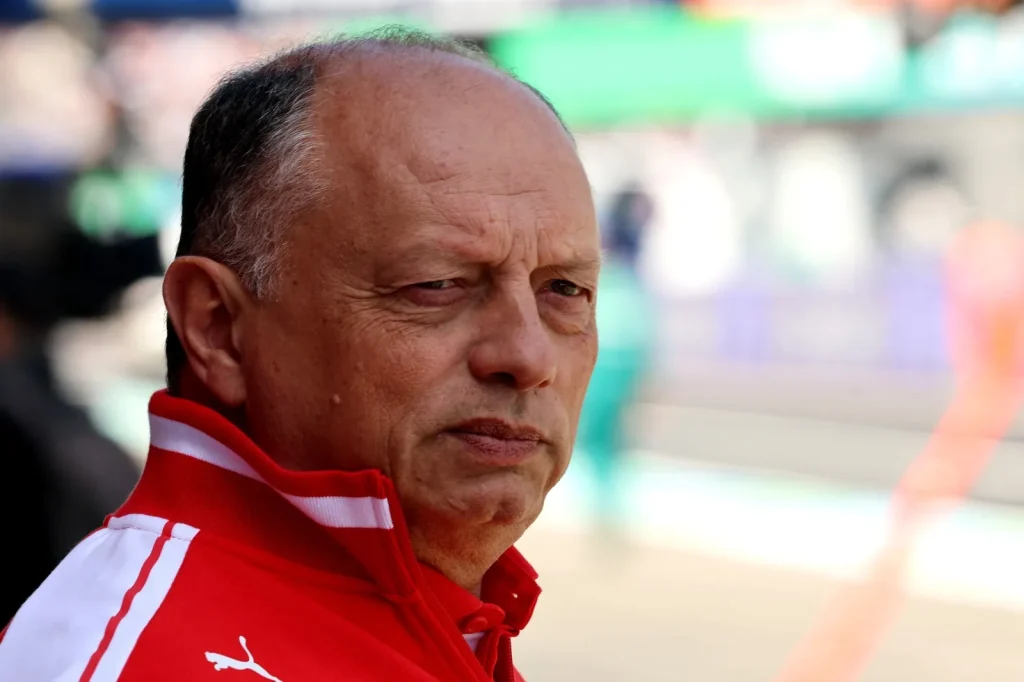
The Ferrari boss stated that the team will need to take advantage of every opportunity from the start of activities on the Canadian track: “We will need to be ready from the first session, focus on execution, and make the most of every opportunity throughout the weekend,” added the Frenchman.
Carlos Galbally, Ferrari’s chief tire performance engineer, reinforced the team’s concerns about the characteristics of the Circuit Gilles Villeneuve. According to him, the heavy braking and low-speed corners make brake management an essential factor to achieve good performance.
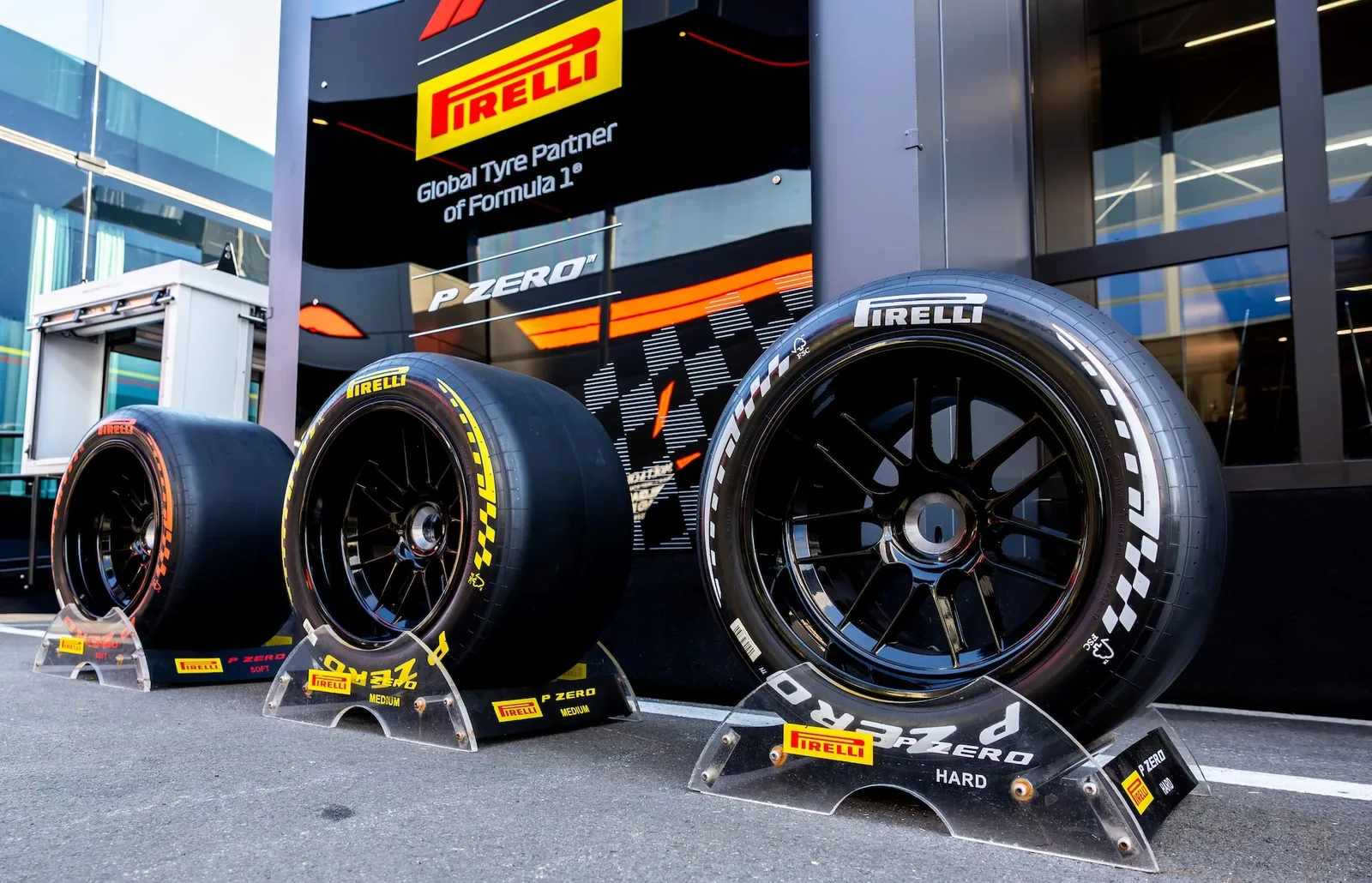
“With its frequent heavy braking and slow corners, braking consistency is fundamental on this circuit,” said Galbally. The engineer also explained that the 2026 rules have increased the complexity of brake work due to greater energy recovery, especially on the rear axle, and warned that low temperatures can make it difficult to reach the ideal tire heating and increase the risk of tire graining, especially on the softer compounds.
Read more F1: Sainz reveals details of the new Madrid circuit for 2026